Melee is the most iconic and widely used combat style in Old School RuneScape. It focuses on close-range physical attacks using weapons like swords, daggers, and spears. Melee combat forms the foundation of your character’s overall power for slaying monsters, fighting bosses, or battling other players. This guide covers everything you need to know about training melee. Learn all about how the system works and early-game quests to the best gear setups.
Key Takeaways
- Melee is the backbone of combat in Old School RuneScape, built around Attack, Strength, and Defence.
- Doing early quests like Waterfall Quest and Tree Gnome Village saves hours of grinding.
- Nightmare Zone (P2P) and Giant Spiders (F2P) are the top spots for long, semi-AFK training to 99.
- Keep your Attack, Strength, and Defence levels close together to stay accurate and tank hits better.
 4.9
4.9What Is Melee in OSRS?
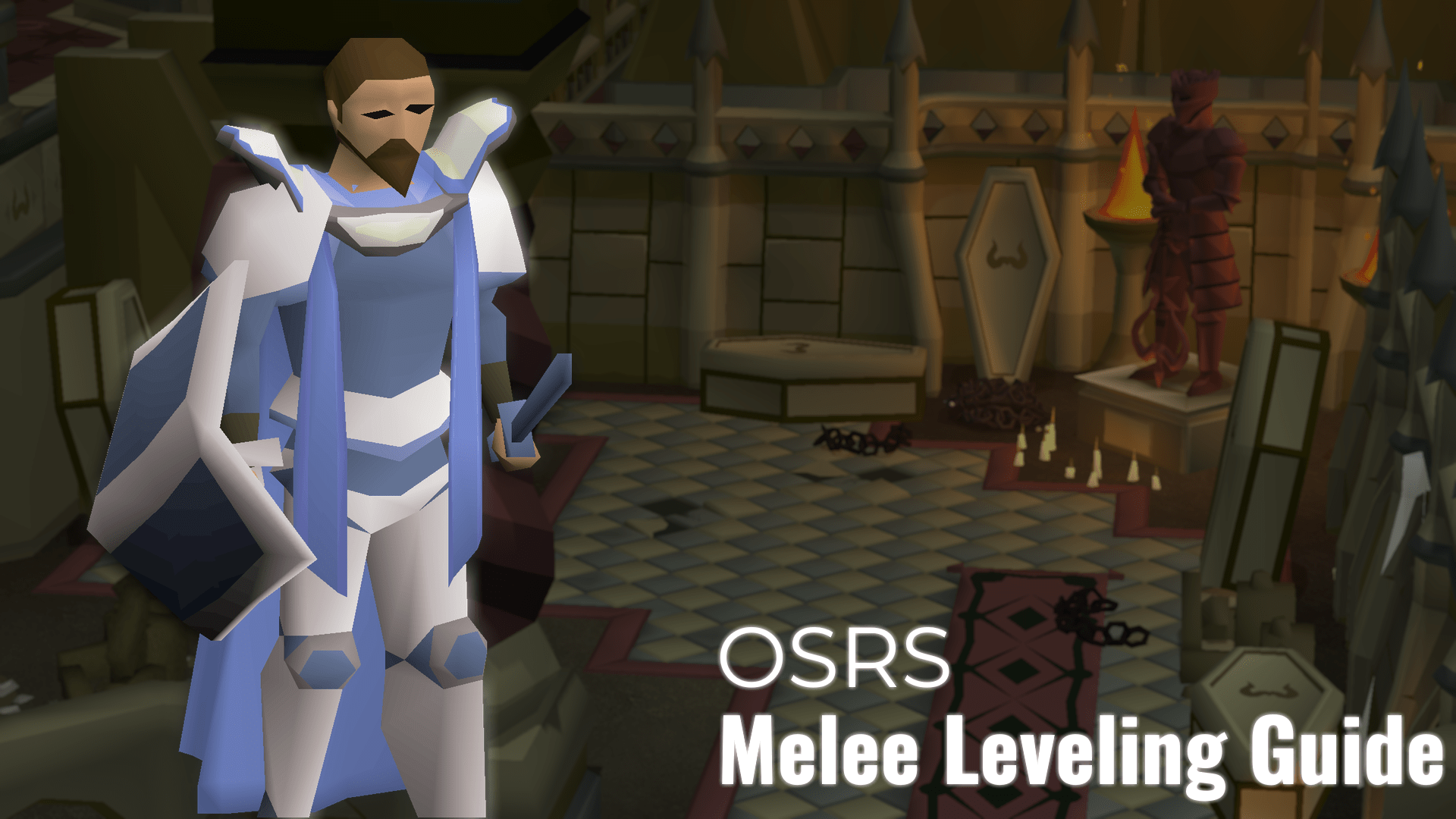
Melee is one of the three primary combat styles in Old School RuneScape, alongside Ranged and Magic. It focuses on close-quarters combat, where players use physical attacks with weapons like swords, scimitars, spears, and halberds to damage their opponents. Melee combat is the most traditional and widely used fighting style in the game, forming the foundation for most PvM (Player vs. Monster) and PvP (Player vs. Player) encounters.
Melee is often preferred for its low cost, high damage potential, and simplicity compared to Ranged or Magic. Most melee weapons don’t require expensive ammunition or runes, and many training methods are accessible early on. One thing to keep in mind is that even at maximum efficiency, OSRS skills take hours upon hours to level up, so be prepared to be patient. Alternatively, we can Level Up any skill for you instead.
How OSRS Melee Works
Melee combat in Old School RuneScape works through a simple but deep system based on accuracy, damage, and attack speed. Every melee attack rolls a chance to hit, then determines how much damage is dealt if that hit succeeds. The system is influenced by your stats, gear bonuses, chosen attack style, and the type of weapon you’re using. Melee is part of the combat triangle, which defines how the three main combat styles interact:
- Melee beats Ranged;
- Ranged beats Magic;
- Magic beats Melee.
This means melee is strongest against ranged enemies but weakest against those using magic attacks.
OSRS Melee Stats
Melee combat in OSRS is governed by three stats: Attack, Strength, and Defence.
- Attack determines your accuracy — how often you hit your target successfully.
- Strength determines your maximum hit — how much damage your attacks deal.
- Defence determines how often enemies hit you successfully.
📌 Players also train Hitpoints while fighting, which increases their total health. Together, these skills form the core of your character’s combat effectiveness.
OSRS Melee Attack Styles
Every melee weapon offers a few attack styles, which affect how you gain experience and slightly change your combat accuracy or strength:
- Accurate (Attack XP) – Focuses on hitting more often.
- Aggressive (Strength XP) – Focuses on dealing more damage.
- Defensive (Defence XP) – Focuses on blocking attacks.
- Controlled (Shared XP) – Splits XP evenly between Attack, Strength, and Defence (available on some weapons like the Abyssal Whip).
Choosing the right attack style depends on what skill you want to train. Each melee weapon type has its own attack speed and bonuses. Faster weapons (like scimitars) hit more often but deal slightly less per hit, while slower ones (like 2-handed swords) have higher single-hit potential. Attack speed is measured in game ticks, where 1 tick = 0.6 seconds.
Now that you are familiar with how the Melee works, it’s time to jump straight into skilling strategies for it. We have separated the guide into sections for free-to-play and membership players for easy navigation. That said, both methods work for players in Ironman mode.
OSRS Pay to Play Melee Leveling
When you purchase a membership in OSRS, the world of melee combat expands dramatically. You gain access to new monsters, gear, minigames, and quest rewards that turbo-charge training. Below, we outline the best ways to level melee stats. Here you can find the best quest boosts for early XP, how to gear up for maximum damage, and mid- to endgame training spots.
OSRS Pay to Play Melee Leveling Equipment
In P2P, the transition from basic gear to high-end melee weapons is a game-changer. The right gear dramatically improves DPS, leading to higher experience per hour and less time wasted on weaker hits. Here is a list of the most efficient equipment you can use:
| Slot | Item |
|---|---|
| Helmet | Torva Full Helm |
| Cape | Infernal Cape |
| Neck | Amulet of Rancour |
| Body | Torva Platebody |
| Shield | Avernic Defender |
| Legs | Torva platelegs |
| Weapons | Any scimitar with the best stats you can currently equip |
Infernal cape is a part of the setup that can make the whole process faster, but it’s also extremely difficult to obtain. However, you can get Infernal Cape here at Overgear as well.
OSRS Pay to Play Melee Leveling Route
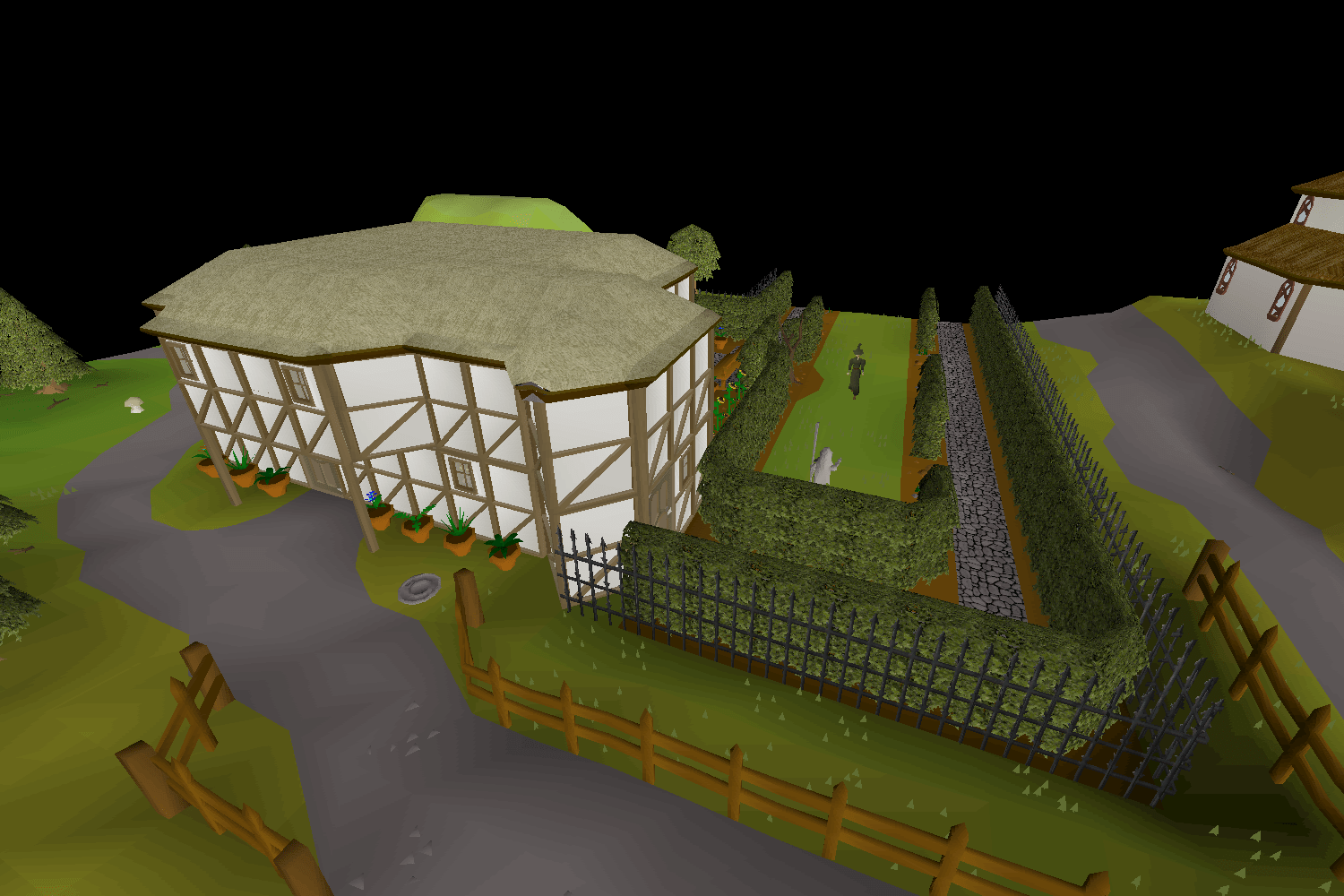
One of the fastest and most cost-effective ways to boost melee stats early in P2P content is through quest experience rewards. These often reward multiple combat stats (Attack, Strength, Defence, and Hitpoints) simultaneously and can skip hours of grinding.
Levels 1 to 30
The fastest way to get to level 30 in strength and attack is by completing the Waterfall Quest while at level 3 combat. This quest has no requirements, but can be very difficult to complete for a low-level player. If you want to try this approach, speak to Almera north-east of Baxtorian Falls (X/Y: 2521,3497). Otherwise, complete the following quests instead:
| Quest | XP Rewards | Requirements | Starting Location |
|---|---|---|---|
| Witch’s House | Hitpoints: 6,325 | None | X/Y: 2928,3456 |
| Waterfall Quest | Attack: 13,750 and Strength: 13,750 | None | X/Y: 2521,3497 |
| Death Plateau | Attack: 3,000 | None | X/Y: 2896,3528 |
| Fight Arena | Attack: 12,175 | None | X/Y: 2566,3199 |
| Tree Gnome Village | Attack: 11,450 | None | X/Y: 2542,3169 |
| Vampyre Slayer | Attack: 4,825 | None | X/Y: 3098,3268 |
| The Grand Tree | Attack: 18,400 | Agility: 25 | X/Y: 2466,3495 |
| Holy Grail | Defence: 15,300 | Attack: 20 , completion of Merlin’s Crystal Quest | X/Y: 2764,3513 |
| Scorpion Catcher | Strength: 6,625 | Prayer 31 , completion of Alfred Grimhand’s Barcrawl Quest | X/Y: 2701,3405 |
| Mountain Daughter | Attack: 1,000 | Agility: 20 | X/Y: 2808,3672 |
| Horror from the Deep | Strength: 4,662.5 | Agility: 35 , completion of Alfred Grimhand’s Barcrawl Quest | X/Y: 2508,3634 |
| Tai Bwo Wannai Trio | Attack: 2,500 and Strength: 2,500 | Agility: 15 , Cooking: 30 , Fishing: 5 , completion of Jungle Potion Quest | X/Y: 2782,3087 |
| XP rewards total | Attack: 65,275 , Strength: 27,537.5 and Defence: 15,300 | ||
Levels 30 to 50
Crabs are among the most popular and efficient melee training options in OSRS for players between levels 30 and 50. These monsters share similar characteristics: high Hitpoints, low Defence, and automatic aggression. This makes them ideal for semi-AFK combat training. They also require little to no food, allowing for long, consistent sessions with minimal interruptions.
There are several types of crabs suited for different stages of progression: Sand Crabs, Ammonite Crabs, and Gemstone Crabs. Each offers unique benefits depending on your combat level and quest progress.
| Name | Location | Requirements | Combat Level |
|---|---|---|---|
| Gemstone Crab | Tlati Rainforest | Children of the Sun quest completion | 165 |
| Ammonite Crab | Fossil Island | Bone Voyage quest completion | 25 |
| Sand Crab | Beaches south of Hosidius, Crabclaw Isle, Crabclaw Caves | Access to Crabclaw Isle | 15 |
If you have reached level 50 Firemaking and have a player-owned house, you can take part in the Pest Control minigame. It rewards solid Melee combat XP and allows you to get the Void armor set. This set can be pretty useful if you plan to train Magic later on. If you would prefer to skip the minigame grind, our Pest Control Minigame service can handle it for you instead.
Levels 50 to 99
Nightmare Zone (NMZ) is one of the most efficient and popular melee training methods in Old School RuneScape, especially from level 50 onward. It offers high experience rates, minimal risk, and the flexibility to train semi-AFK while earning reward points used for valuable items and gear imbues.
The Normal Rumble mode is ideal for training Attack, Strength, or Defence because it allows you to fight multiple quest bosses simultaneously in a safe, controlled environment. The only requirements to use this method is paying a coin fee to start, as well as having completed at least 5 quests that NMZ requires.
OSRS Free to Play Melee Leveling
Free-to-play melee training in Old School RuneScape focuses on simple, consistent methods that don’t require quests or special gear. While progress is slower compared to members, there are plenty of reliable spots to train all the way to level 99.
Most F2P training revolves around monsters that are aggressive, have low Defence, and respawn quickly, allowing for steady experience with minimal downtime. That said, leveling with Membership will always be faster than without it. This is why you should consider getting a Bond before starting with the following methods.
OSRS Free to Play Melee Leveling Equipment
Since F2P players don’t have access to many high-end weapons or armour sets, the goal is to use the best gear available for your Attack level while keeping Defence and Strength bonuses high.
| Slot | Item |
|---|---|
| Helmet | Rune God Full Helm |
| Cape | Any cape with stats |
| Neck | Amulet of Strength |
| Body | Rune God Platebody / Rune Platebody / Rune Chainbody |
| Shield | Rune God Kiteshield |
| Legs | Decorative Boots (gold) |
| Weapon | Any scimitar with the best stats you can currently equip |
OSRS Free to Play Melee Leveling Route

The OSRS Free-to-Play Melee Leveling Route is all about steady progress using accessible training spots and affordable gear. Without access to member-only areas or bonuses, F2P players rely on efficient routes that balance experience per hour, low food use, and easy monster access. What can help, however, is completing F2P quests to obtain rewards from them.
If you want to save some time, our F2P Quest Bundle is here to help you complete all of them in the shortest time possible.
Levels 1 to 20
The best early targets are chickens, found northeast of Lumbridge or in Farmer Fred’s chicken coop. They’re easy to hit, deal almost no damage, and don’t require food. Each kill gives a small amount of experience, and you’ll also collect feathers that can be sold for early gold. Chickens drop bones, making them great for a bit of Prayer training at the same time. Once you start hitting consistently high damage, however, their low HP (only 3) makes them inefficient for experience.
If you want a smoother training experience without worrying about food, monks in the Edgeville Monastery are another great option. Monks work well for 1 Defence pures since they’re non-aggressive and provide steady XP. The downside is that they drop only bones, so there’s no profit potential.
Another safe alternative is seagulls, found in Port Sarim and Corsair Cove. They don’t hit back, so they’re perfect for players training without armour or those who want a completely no-risk method. They give moderate XP per kill, though they also drop nothing of value.
In general, the options for leveling from 1 to 20 look like this:
| Targets | Location | Combat Level |
|---|---|---|
| Chickens | Farmer Fred’s Chicken Coop (north-east of Lumbridge) | 1 |
| Monks | Edgeville Monastery (north-east of Falador) | 5 |
| Seagulls | Port Sarim and Corsair Cove | 2 |
Levels 20 to 40
Once your stats improve, you can move to giant frogs in the Lumbridge Swamp. They have 23 Hitpoints, low Defence, and deal very little damage. This makes them ideal for longer training sessions. Each kill gives solid XP and always drops big bones, which you can either sell for profit or use to train Prayer. If you need food, you can hunt nearby giant rats, cook their meat on a fire made from local dead trees, and continue training without leaving the area.
Giant frogs are occasionally crowded, but they’re one of the best F2P melee training spots during these levels due to their high HP and predictable spawns. By level 40, you will have decent enough melee stats to be ready to move on to crabs or flesh crawlers.
Levels 40 to 60
From levels 40 to 60, the Stronghold of Security is the best training spot for free-to-play melee. It has aggressive monsters with quick respawns.
Flesh Crawlers on the second floor of the Catacomb of Famine are the best choice. They are always aggressive, have low Defence, and only deal small amounts of damage. This makes them great for AFK training. Bring your best melee gear and some food, as their fast attack speed can chip away at your HP. They occasionally drop uncut gems, though overall profits are low.
If the area is crowded, zombies on the same floor are a great alternative. They have slightly higher HP, stay aggressive for a long time, and also drop uncut gems. Use decent armor (a chainbody is recommended) and food.
To summarize, the options for leveling from 40 to 60 include:
| Targets | Location | Combat Level |
|---|---|---|
| Flesh Crawlers | Stronghold of Security (Level 2: Catacomb of Famine) | 28 |
| Zombies | Stronghold of Security (Level 2: Catacomb of Famine) | 30 |
Levels 60 to 99
From levels 60 to 99, the best free-to-play melee training method is fighting Giant Spiders in the Pit of Pestilence (Level 3) of the Stronghold of Security.
One thing to note is that Giant Spiders are always aggressive. This makes it possible to train hands-free for up to 10 minutes before they lose interest. When that happens, you can easily reset their aggression by running between the room’s corners or briefly climbing the ladder and returning.
The main downside is that they can be pretty dangerous, as they hit up to 7 damage. They also drop nothing valuable except occasional beginner clue scrolls, and can still kill you if left completely AFK.
OSRS Ironman Melee Leveling
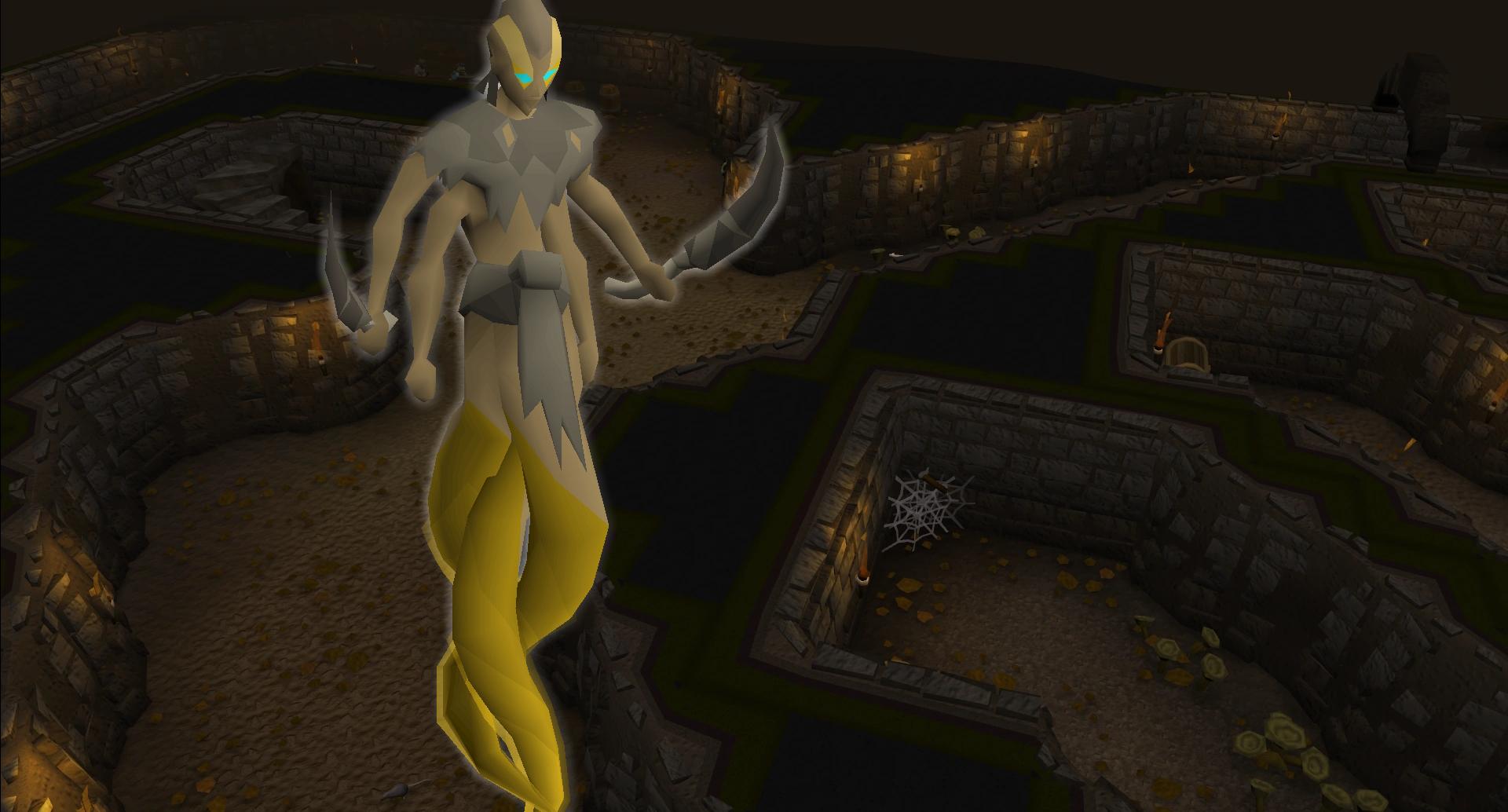
Ironman melee training focuses on leveling Attack, Strength, Defence, and Hitpoints through combat, just like a regular account. The big difference is — there is no outside help in Ironman mode. Since trading and the Grand Exchange aren’t available, Slayer becomes the main way to train melee efficiently while also gathering resources and gear.
OSRS Ironman Melee Leveling Equipment
Gear isn’t easy to come by for Ironman accounts since they can’t just buy items from other players. Most of Ironman’s melee equipment will come from monster drops, shops, quest rewards, and crafting. Generally, you should use the best equipment you can get your hands on, but here are some of our recommendations:
| Slot | Item |
|---|---|
| Helmet | Helm of Neitiznot |
| Cape | Fire Cape |
| Neck | Amulet of Strength / Amulet of Rancour |
| Body | Fighter Torso / Bandos Chestplate / Torva Platebody |
| Ring | Berserker Ring |
| Legs | Obsidian Platelegs |
| Weapon | Rune Scimitar / Dragon Scimitar / Blade of Saeldor / Ghrazi Rapier / Scythe of Vitur |
The best body armor at the early stage of Melee leveling is the Fighter Torso, which can be obtained from Barbarian Assault. If you don’t want to farm for Fighter’s Torso yourself, our fast and efficient Barbarian Assault service is here to help!
OSRS Ironman Melee Leveling Route
Ironman mode is all about earning everything on your own. Here we will outline a Melee leveling route for Ironman Saccounts, with quests and mobs that can help progress Melee efficiently.
Levels 1 to 70
The fastest way to train Melee early for Ironmen is by targeting the Gemstone Crab in the Tlati Rainforest. They have no Defence stats and effectively infinite Hitpoints, which allows for non-stop combat skilling. You will need to complete the Children of the Sun quest to access Varlamore, but once unlocked, this spot is unbeatable for sustained early training.
If you don’t have access to Varlamore, Ammonite Crabs on Fossil Island are an excellent alternative. They stay aggressive for 10 minutes, have high Hitpoints, and need little food. The only downside is some downtime and overkill between kills. Alternatively, you can do quests for early leveling. Here are the quests you can do for Melee XP:
| Quest | XP rewards | Requirements | Starting Location |
|---|---|---|---|
| Waterfall Quest | Attack: 13,750 and Strength: 13,750 | None | X/Y: 2521,3497 |
| Death Plateau | Attack: 3,000 | None | X/Y: 2896,3528 |
| Vampyre Slayer | Attack: 4,825 | None | X/Y: 3098,3268 |
| Fight Arena | Attack: 12,175 | None | X/Y: 2566,3199 |
| Tree Gnome Village | Attack: 11,450 | None | X/Y: 2542,3169 |
| The Grand Tree | Attack: 18,400 | Agility: 25 | X/Y: 2466,3495 |
| Holy Grail | Defense: 15,300 | Attack: 20 , completion of Merlin’s Crystal Quest | X/Y: 2764,3513 |
| Haunted Mine | Strength: 22,000 | Crafting 35, Completion of Priest in Peril Quest | X/Y: 3444,3257 |
| Dragon Slayer I | Strength: 18,650 Defence: 18,650 | 32 Quest points | X/Y: 3190,3360 |
| In Aid of the Myreque | Attack: 2,000 Strength: 2,000 Defence: 2,000 | Agility: 25, Crafting 25, Mining 15, Magic 7, completion of the quest: Search of the Myreque | X/Y: 3506,9839 |
| XP rewards total | Attack: 65,600, Strength: 56,400 and Defense: 35,950 | ||
After you are done with the early Melee leveling as an Ironman, your next goal should be obtaining combat XP from Slayer. Proceed to level your Melee via Slayer until you have enough levels to proceed to the next step.
Levels 70 to 99
The next step for Ironmen who level Melee is deciding between two main training options: Nightmare Zone and Sulphur Naguas.
Nightmare Zone is a great AFK option for Melee training. Using absorption potions and overloads in custom Rumble mode lets you stay in combat for up to 20 minutes without interaction. Experience rates range from 70,000 to 85,000 XP per hour, depending on your gear. It’s simple, safe, and great for long AFK sessions, though it costs coins to enter and provides no loot.
Another option is killing Sulphur Naguas. They are unlocked after completing a quest called Perilous Moons, as well as level 48 Slayer to kill. They provide some of the fastest melee experience in the game, up to 140,000 XP/hr with Piety. The method is fully AFK, requires no supplies, and offers extra Runecrafting XP and rune drops. Use the dual macuahuitl or Glacial temotli for best results, and bring prayer-boosting gear to extend trips. This is the best late-game Ironman melee training spot if you want top efficiency without consumable costs.
OSRS Melee Leveling Tips
Efficient melee training in Old School RuneScape comes down to consistency and preparation. A few habits can make a difference in how fast you level.
- Always use the best weapon you can equip: Scimitars offer the best balance of speed and power.
- Keep your Strength and Attack balanced: Rotating between training styles is important for consistent progress and damage.
- Bring enough food: Even weak monsters can chip away at your health over time. Trout, salmon, and swordfish are easy to get and restore plenty of HP.
- Use Strength potions when possible: They’re cheap in F2P and help increase experience rates noticeably.
- Train near banks or safe spots: Choosing areas with nearby banks, like the Stronghold of Security or Hosidius crabs (for members), minimizes downtime.
With solid gear, steady focus, and efficient habits, you can train faster, spend less on supplies, and make the road to 99 melee levels far smoother.
OSRS Melee Leveling FAQ
Before wrapping up the guide, let’s address some of the most common questions players have about melee training in Old School RuneScape. These quick answers should help clear up some confusion and avoid some mistakes.
Should I Train Attack, Strength, or Defence First in OSRS?
It’s best to balance all three as you level up. Training Strength first increases your max hit, which speeds up leveling overall, but keeping Attack and Defence close behind ensures accuracy and survivability later on.
Are Quests Worth Doing for Melee XP in OSRS ?
Yes. Many early quests, like Waterfall Quest, Fight Arena, and Tree Gnome Village, grant huge chunks of Attack and Strength XP.
Is Melee Training Profitable in OSRS?
Not usually. Most efficient training spots like crabs, Flesh Crawlers, and Giant Spiders offer little to no loot. If you want to profit while training, Slayer (in P2P) or Hill Giants (in F2P) are good middle-ground options.
4.9By following this guide’s routes, quest recommendations, and gear advice, you’ll progress steadily from level 1 to 99 with minimal wasted effort. Once you have mastered melee, you’ll have built not only strength and power but also the foundation for nearly every other combat skill in the game.
