Smurfing has existed since the earliest days of competitive online gaming — and despite every attempt to stop it, a new Smurf account is created somewhere every few seconds.
Smurfing in Gaming Key Takeaways:
- Smurfing is when a skilled player uses a secondary account to play against lower-ranked opponents.
- It can create unfair matches and negatively affect legitimate players in lower-ranked brackets.
- Players may smurf to play with friends, test new roles, avoid their main account, or intentionally climb from a lower rank.
- Games use different systems to detect and limit smurf accounts, including MMR adjustments, verification, and account requirements.
- Smurfing is not always treated as a bannable offense, but boosting, match manipulation, harassment, and ban evasion can lead to penalties.
- Smurfing differs from boosting because the smurf plays on their own alternate account, while boosting involves raising another player’s account rank.
What Is Smurfing in Gaming?
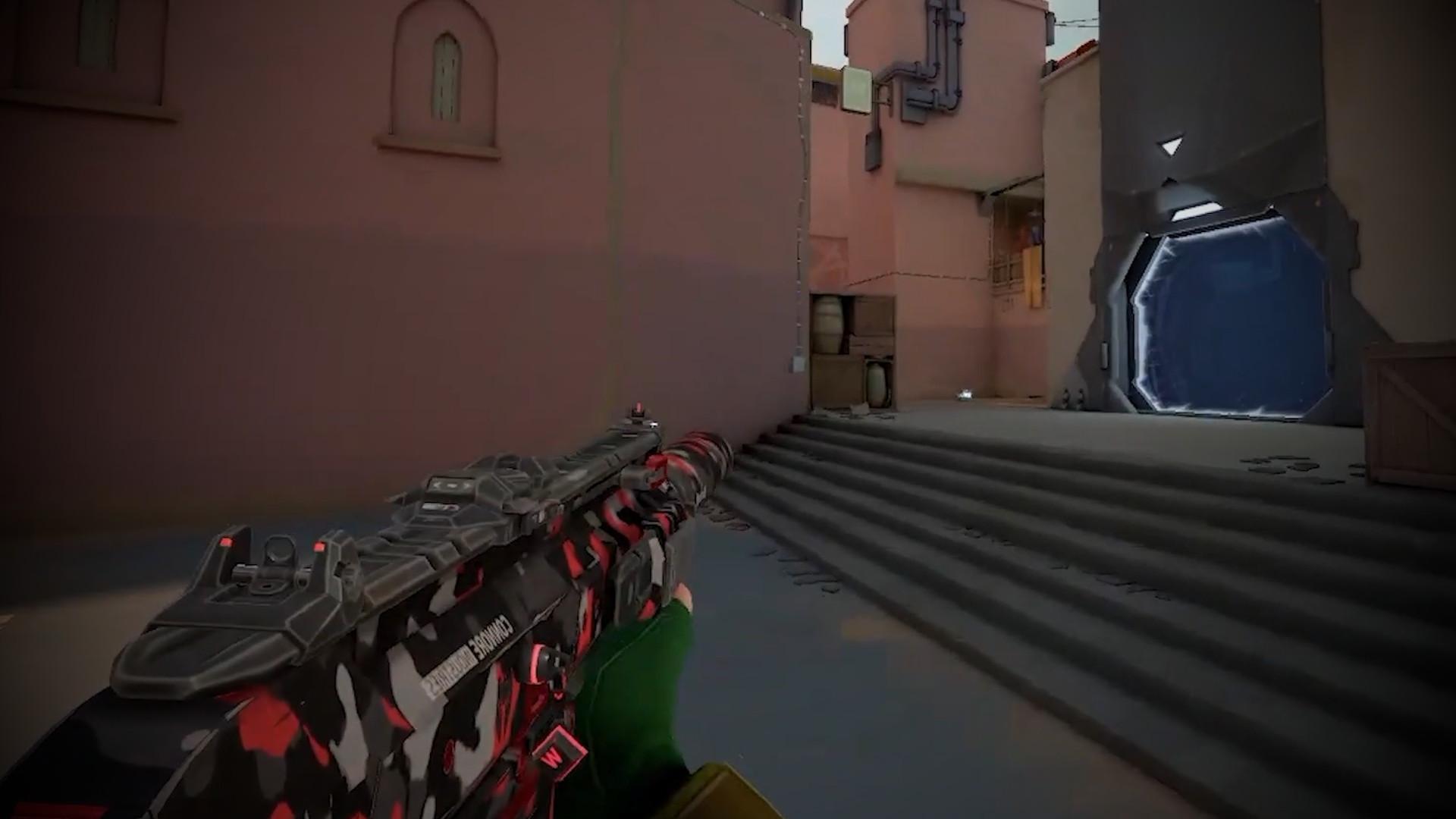
Smurfing in gaming refers to a high-skilled player creating or using a secondary account to compete in ranked brackets below their actual skill level. The smurfing player dominates lower-ranked opponents who have no meaningful way to compete against someone operating far above the skill ceiling of that rank.
The practice is controversial across virtually every competitive game community because it degrades the matchmaking experience for legitimate players who belong in those brackets.
Where Did ‘Smurfing’ Come From?
The term originates from Warcraft II in the mid-1990s. Two top players, Geoff ‘Shlongor’ Frazier and Greg ‘Warp’ Boyko, were so well known that opponents would leave games upon seeing their usernames. They created alternate accounts named ‘PapaSmurf’ and ‘Smurfette’ to play anonymously — and the term carried forward into every competitive online game that followed.
Why Do Players Smurf?
- Playing with lower-ranked friends — primary accounts are too high for the friend group;
- Trying a new role or character without risking their main account’s rank;
- Avoiding specific players or the stress of their main account’s rank pressure;
- Intentional deranking then climbing — sometimes used for rank boost schemes;
- Experiencing the early game fresh — some players genuinely enjoy stomping for the content.
How Games Fight Smurfing
| Game | Anti-Smurf Measure |
|---|---|
| League of Legends | Fast-track placement for high-performers |
| Valorant | Phone number verification, Smurf detection system |
| Overwatch 2 | Phone number required, 50 required wins in unranked games for new accounts, fast-track rank adjustment |
| CS2 | Prime Status, trust factor, phone verification |
| Dota 2 | Phone verification, behavior score matchmaking |
ℹ️ Overwatch 2 uses one of the most effective ways to fight smurfing, with 50 unranked wins required for new accounts. This makes Smurfing way less efficient.
Is Smurfing Bannable?
Policies vary by game. Most publishers discourage smurfing but don’t actively ban for it unless the account is also involved in boosting, match manipulation, or harassment. Creating accounts specifically to bypass bans is universally bannable.
The grey area is players who genuinely want a fresh start or want to play with friends — which most publishers tolerate while still working to auto-correct the matchmaking.
Smurfing in Gaming FAQ
Below are the most common questions about smurfing in competitive gaming, covering definition, detection, and consequences.
What Does Smurfing Mean in Gaming?
Smurfing means a skilled player creating or using a secondary account to play in ranked brackets significantly below their actual skill level, resulting in unfair matchups against legitimate lower-ranked players.
Is Smurfing Considered Cheating?
Not in the technical sense — smurfs aren’t using cheats or hacks. However, it is widely considered unsportsmanlike because it deliberately creates unfair competitive conditions for opponents who are playing legitimately within their skill bracket.
What is Smurf Queue in Valorant?
Valorant uses automated smurf detection to identify accounts performing far above their current MMR and rapidly adjusts their matchmaking toward their appropriate skill level. That said, while there are adjustments, there isn’t a dedicated Smurf Queue in Valorant.
What’s the Difference Between Smurfing and Boosting?
Smurfing is a high-skilled player playing on their own secondary account. Boosting involves a high-skilled player playing on someone else’s account to raise that account’s rank for payment. Both involve skill misrepresentation, but boosting is a commercial service while smurfing is done for personal reasons.
