Our team is excited to introduce you the Path of Exile 2 Overview and show you the world of dark and mysterious adventures. In this PoE 2 Overview, we are going to share all the essential information about the game that would be useful for both beginners and experienced players who came from PoE 1: major differences between the two PoE games, changes, release date, upcoming character classes and their signature weapons, challenges, character skills, and gear. You will also learn everything you need to know about the PoE 2 gameplay, as we are going to cover the currency, resources, defenses, and offenses of the character, and tell you about the gems.
 4.9
4.9Path of Exile 2 Release Date
In 2024, we finally got a chance to dive back into the world of Path of Exile 2 and undertake new adventures. Many seasoned players are aware that PoE 2 was not originally supposed to be a separate game but was an update to the original one, mostly in terms of graphical improvement. Anyway, we are about to get a whole new separate game, really outstanding and unique.
So, when can we finally expect early access and the release of Path of Exile 2? We have prepared all the important dates in the table below.
| Content | Release Date |
|---|---|
| Path of Exile 2 Early Access | December 6, 2024 |
| Full Game Release | TBD (To Be Determined) |
| Endgame Content | Likely after Early Access |
| Seasonal Updates | TBD (after Early Access) |
📌 Note: The release date has been updated recently, so we are keeping an eye on it. Any changes will be reflected in our guide.
Save up some Divine Orbs to fund your most dangerous adventures or reach out to our team to get them, and let’s explore the world of Path of Exile 2.
Path of Exile 2 Changes Overview
Many players have been waiting for Path of Exile 2 for eternity and anticipated the upcoming changes. And the changes did appear. We are going to outline 10 major differences between Path of Exile 2 and the original PoE:
- Local co-op. From now on, players will have a chance to travel around Wraeclast together with a friend, which is a really nice and long-awaited update.
- Cross-play and Cross-progression. This feature will allow you to transfer your character between devices, whether it’s a console or PC. Therefore you won’t miss or lose your progression and enjoy the game.
- Gold. You will be able to use Gold to trade with vendors instead of Orbs, as well as to respec passive points or gamble. You’ll still use the Orbs for crafting.
- Gem System Overhaul. The Gem menu will now have 9 slots, allowing progressive customization.
- New Flasks System. Only Unique and Magic monsters will now allow you to restock your Flasks. Additionally, you’ll need to activate a well in a town to refill your Flasks.
- New Weapon Types. In Path of Exile 2, 4 new Weapon Types will be introduced in total. These are a new ranged/melee hybrid spear, a strength and intelligence-based flail, a specific crossbow, and traps.
- Outstanding Boss Mechanics. With over 100 bosses to fight, PoE 2 introduces dynamic mechanics which will require more attention and faster reaction from players. Additionally, taking a boss down for the first time provides better quality rewards.
- Dodge Roll. A new mechanic allowing to avoid attacks and kite an enemy better. We will share some more details about Dodge Roll further in our guide.
- New Character Classes. In Path of Exile 2, we will be able to play 12 classes. Six of them are freshly introduced: Monk, Huntress, Mercenary, Sorceress, Warrior, and Druid. Read about all the classes in this detailed guide.
- Revamped Ascendancies. 18 new Ascendancy Trees, which equals to 36 New Ascendancies, will be added to the game, so now any of your craziest custom build ideas will come true.
Path of Exile 2 Campaign Overview
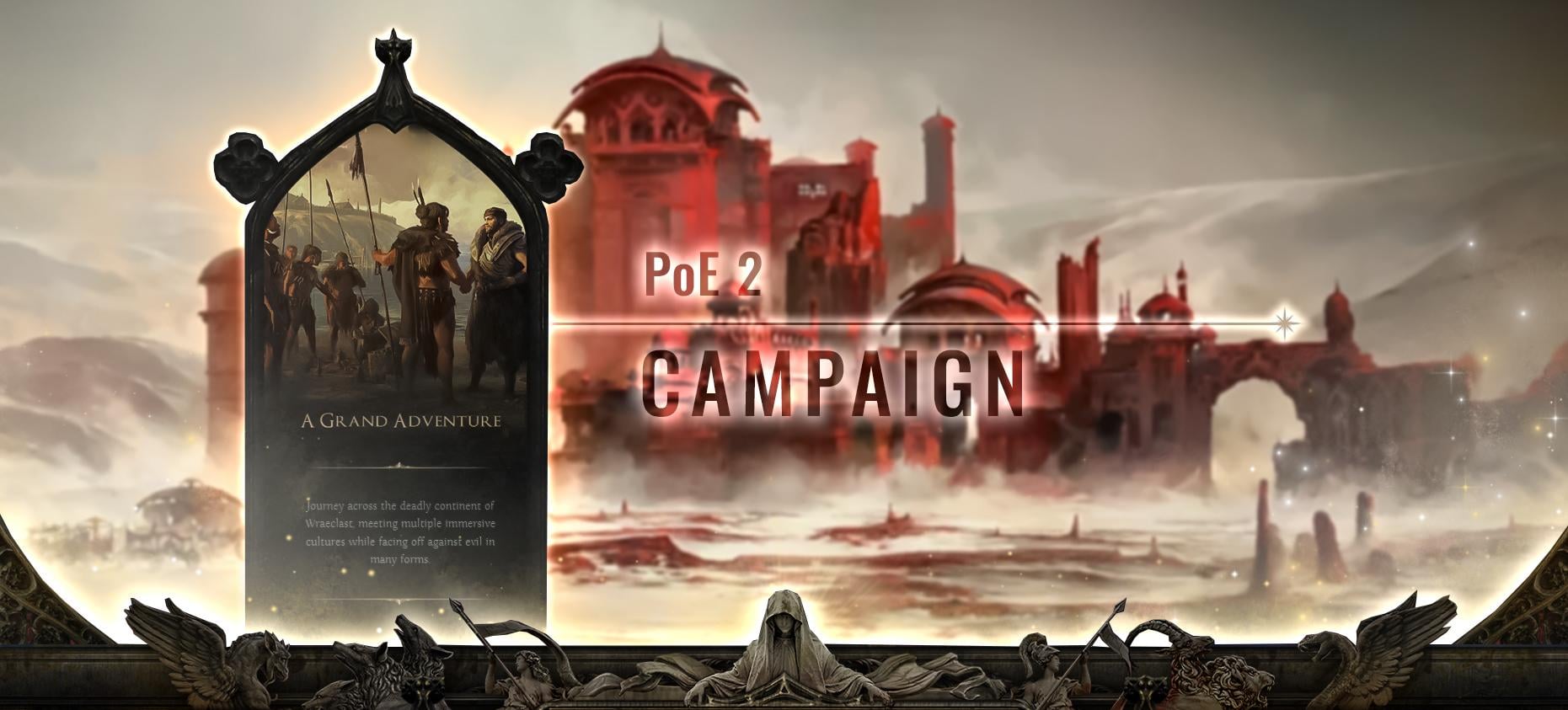
PoE 2 Campaign would be a grand, epic journey that takes us on a six-act romp, where we’ll jump into a fresh storyline 20 years after the events in the original game. As with the 1st PoE, the campaign is the heart of the story, which means every character must slog through it to unlock the endgame. Once again, the dark-fantasy feel of PoE returns, but this time around with huge upgrades in storytelling, mechanics, and visuals that pull you even deeper into the world.
Dying in the Path of Exile 2 Campaign won’t penalize you that much, though it’s a totally different story in the endgame, where the XP penalty on death awaits. Skills that use Spirit-like Auras will remain on your character, and this is a distinctive advantage of PoE 2 compared to the original Path of Exile. Yet another layer of challenge with bosses: you have to beat them in one go since portaling back to the town to refill flasks is prohibited. If you die during the boss fight, the boss resets, and that would require some strategy to take them down in one go.
Path of Exile 2 Testing has shown that completing the Campaign takes around 50 hours, which is a fairly impressive amount of time, yet full of exciting events.
All in all, the campaign of PoE 2 promises to be an even deeper and more rewarding journey. Scaling the stakes with fresh mechanics and a revised skill gem system that opens up tons of build opportunities is a breath of fresh air. Make sure to check and Improve Your Build for balanced performance and smooth Campaign completion.
Path of Exile 2 Campaign Acts
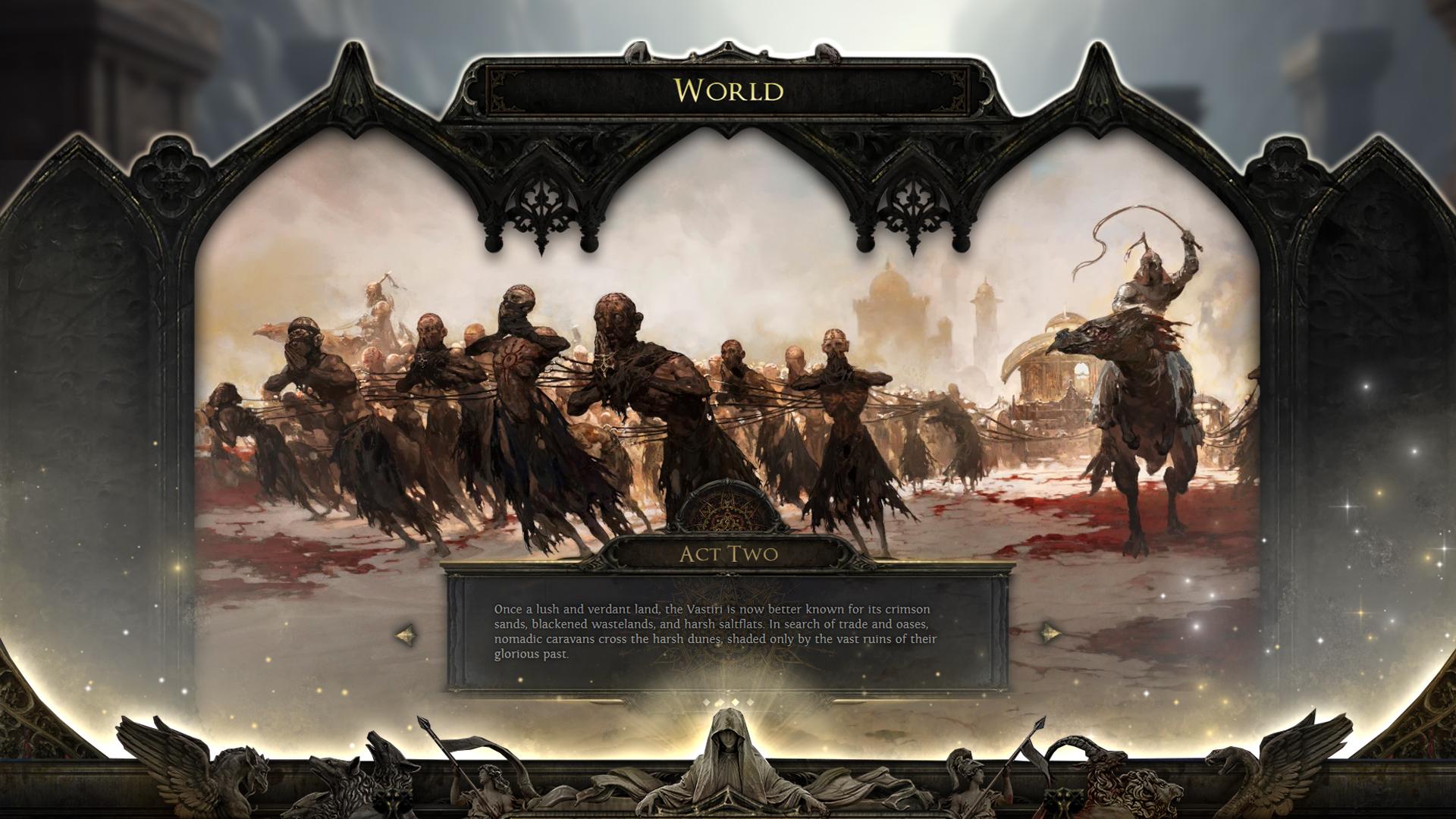
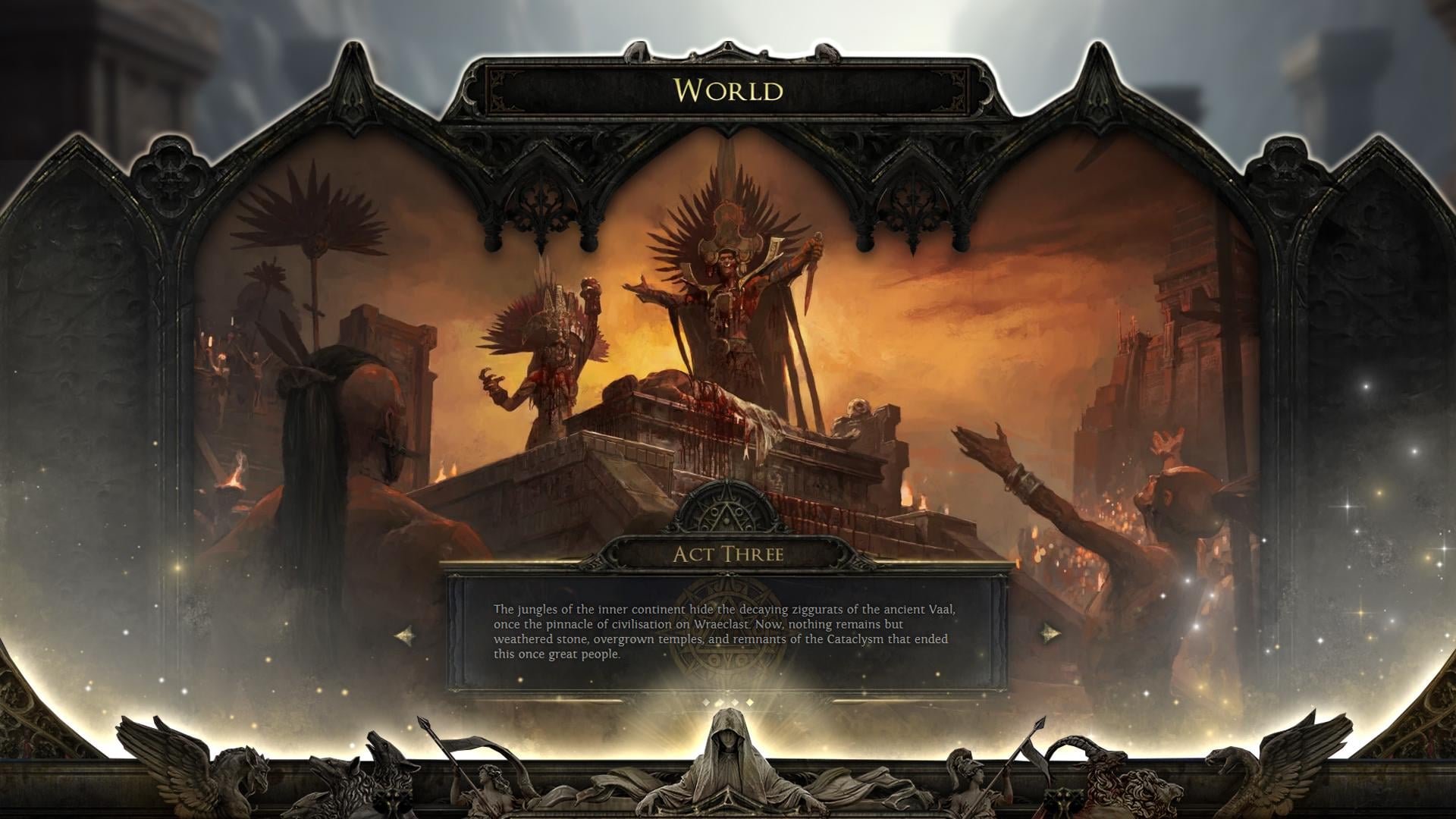
There will be 6 Acts in the Path of Exile 2 Campaign, in total. Each act is a new beginning for your characters with diverse challenges, dangers, and grim events.
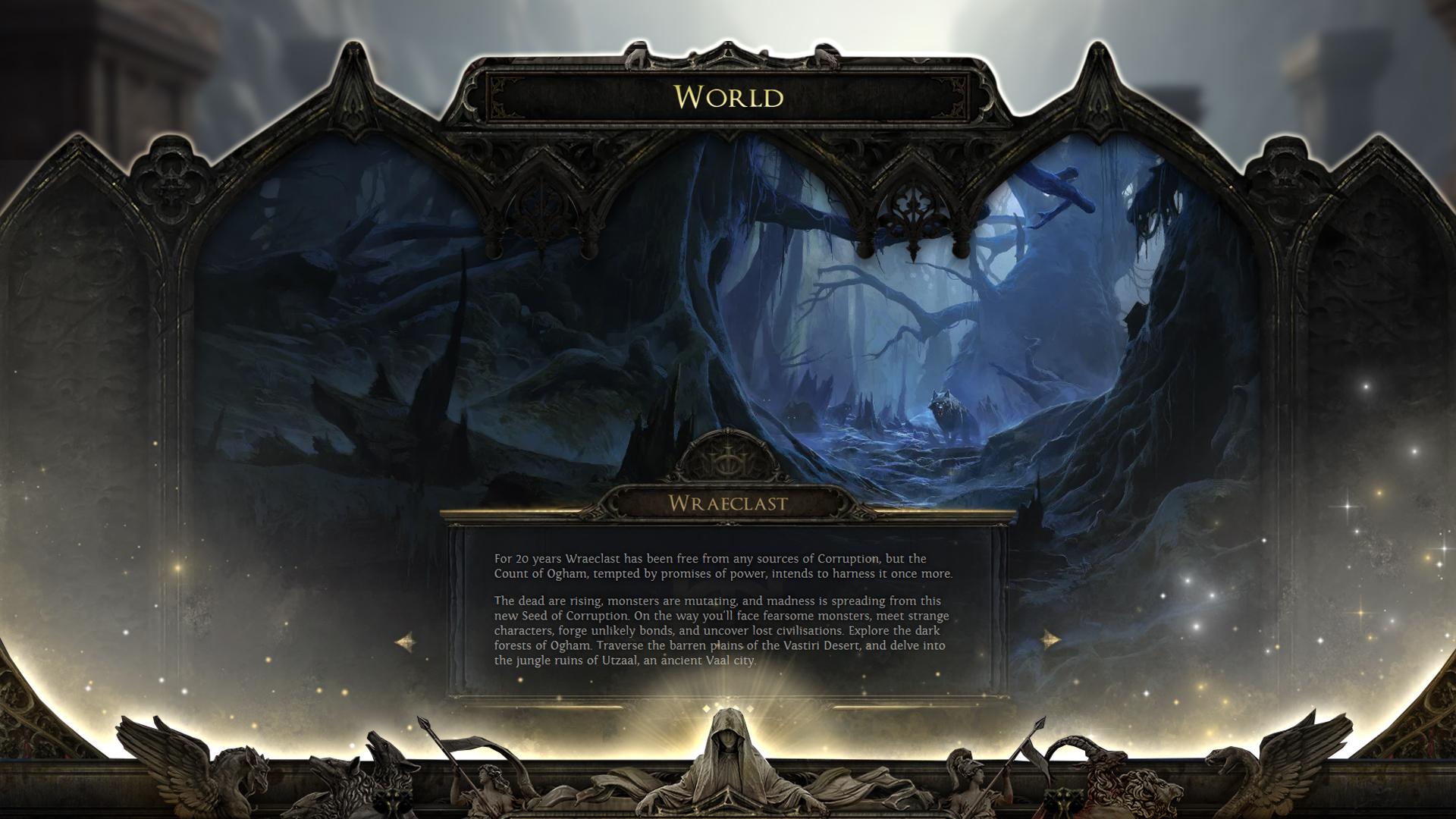
— “The dead are rising, monsters are mutating, and madness is spreading from this new Seed of Corruption”…
There is currently information available about Acts 1, 2, and 3 of Path of Exile 2, while details about the remaining acts have yet to be revealed. Let’s take a look at what the beginning of the game will be like:
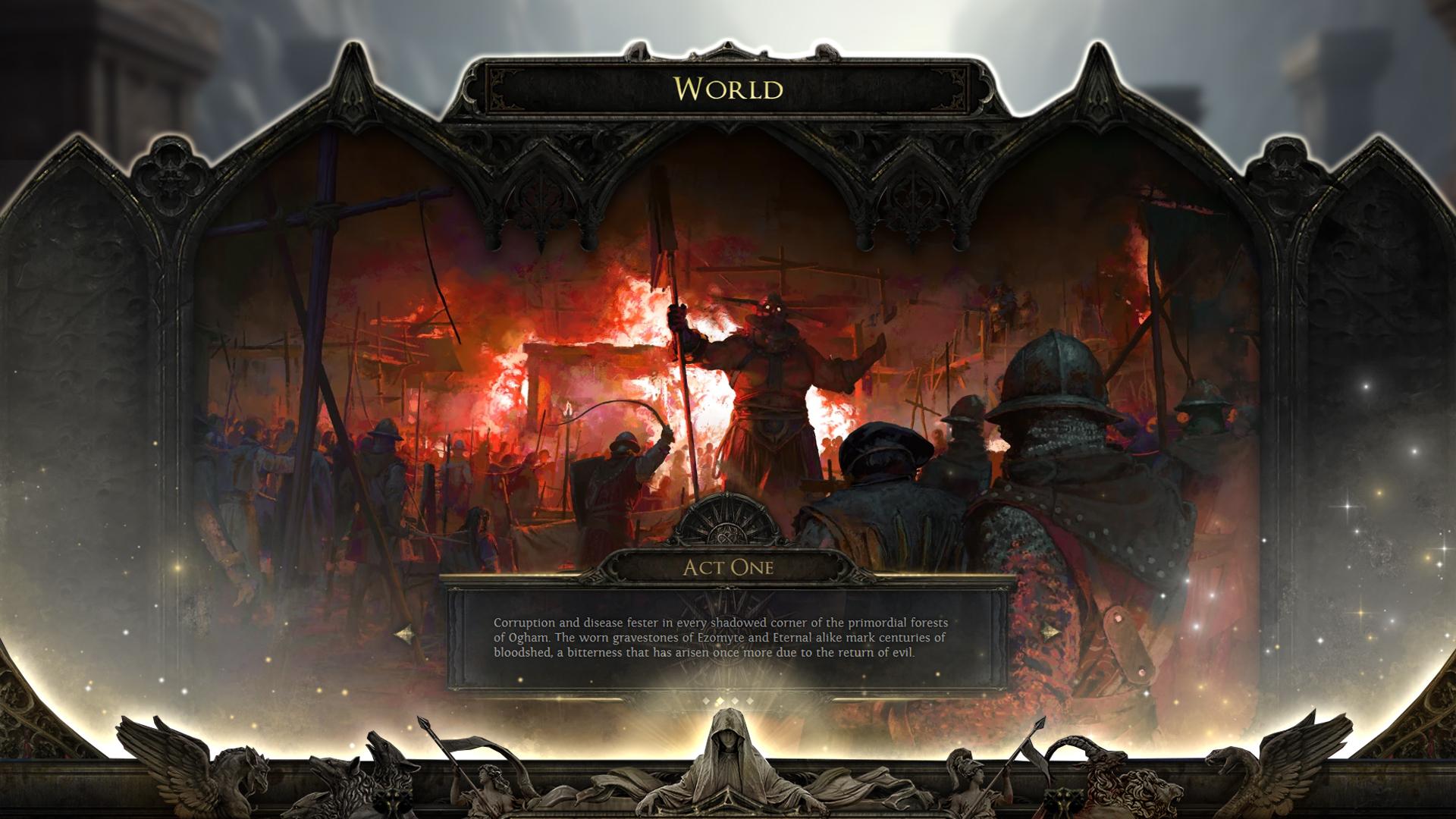
- Act 1 takes place in the ancient, dark woods of Ogham. Gravestones of Ezomyte and Eternal line the landscape as a grim reminder of centuries of bloodshed. The bitterness and darkness of that time now return with the resurgence of evil, setting the stage for a haunting and intense beginning to your journey.
- Act 2 sends the players into the Vastiri, once a lush and verdant land but now an uncaring desert. Crimson sand, blackened wastelands, and salt flats feature in this desolate region. Caravans of nomads wander the blistering dunes seeking trade and oases under the thin shade of ruins that remain from the Vastiri’s glorious past.
- Act 3 places players right in the middle of the dense jungles of the inner continent, home to the ruins of the Vaal Ancient Civilization, hidden from the rest of the world. A once-great civilization in Wraeclast, now degraded to crumbled ziggurats, overgrown temples, and weathered stones, was once proud and strong.
The journey promises to be full of gore events, so you must be prepared. Alternatively, we can deal with the hardest part for you and assist you with Campaign Compeltion. Our experienced players will run all 6 Acts for you, saving you from hours of grind.
Path of Exile 2 Gameplay Overview
As Path of Exile 2 is a newly made game, though based on the old original game, we should outline some of the major gameplay changes, adjustments, and basic mechanics.
In this section of our comprehensive guide, you’ll get the essential knowledge about Currency, and resources like Mana, Health, and Spirit. We’ll also provide you with info about Dodge Rolls, used in the game, consumables in the form of Flasks, Defenses and Offenses, and more. Let’s dive into the details.
Currency
In Path of Exile 2 the classic currency — Orbs — extends to Gold, which players will be able to pick up and use to purchase items from NPC vendors or gamble in for equipment. Gold will become a core resource in Path of Exile 2.
It is automatically looted within a small radius around the character and can’t be traded between players. This system doesn’t replace but complements traditional currency items used for crafting and modifying equipment. We anticipate that this advantageous addition will enhance the game.
Looking for Currency? Our team is here to help and supply you with any of the required types of PoE 2 Currencies, and you’ll enjoy the game straight away.
Life / Mana / Spirit
Path of Exile 2 introduces a new resource called Spirit, in addition to Life and Mana. These are the resources our character uses to cast spells, maintain Auras, etc.
- Life: Represents the character’s health; depletion leads to death;
- Mana: Used to cast active skills and spells;
- Spirit: A new resource reserved for maintaining persistent effects such as auras, buffs, permanent minions, and meta gems. Spirit can be increased through story boss rewards, modifiers, and certain items like scepters.
Dodge Roll
The Dodge Roll is a new mechanic in PoE 2 that gives characters the ability to make swift evasive movements through a rolling action in a specific direction. Movement skills, which are modified by movement speed, conducted via the spacebar by default, allow the player character to dodge projectiles and direct attacks. However, this does not grant immunity against area-of-effect damage and therefore requires precise positioning and timing. Dodge Rolls also interrupt your skill casting, so you can use it in the most challenging situations to flee the battle scene.
By the way, the game director has announced, that using Dodge Rolls will not be faster than usual walking. Therefore, this trick can not be used for fast travel or as a replacement for classic bunny hops.
Flasks
Flasks in PoE 2 are reusable bottles that have a lot of different effects, such as the following:
- Life Flasks: Restore health gradually;
- Mana Flasks: Restore mana over time;
- Utility Flasks: These provide temporary buffs, such as movement speed or resistances.
Each character can use up to five flasks, each usage consuming a few charges. The charges are restored upon monster kills, or when you come back to the town, so make sure to refill them from time to time. All flasks can be modified by adding various modifiers that enhance their effects with strategic advantage in combat.
Path of Exile 2 Game Modes & Leagues
In Path of Exile 2, we have a few major game modes to choose from: Standard, Hardcore, Solo Self-Found (SSF), and Hardcore SSF (HCSSF). As it goes from their names, they go from the easiest to hardest mode, and the challenges they offer differ accordingly.
- Standard: This is the base game without any added restrictions. Items can be freely traded among players, one can be in a party, and leveling of one’s character can be done without any additional restrictions imposed;
- Hardcore: Identical to Standard, save for one key difference: your character has but a single life. Die, and they’re whisked away to Standard Mode forthwith, so every fight truly counts;
- Solo Self-Found (SSF): You are alone and will most likely stay that way in this mode. No trading, no party play, just you and whatever you find yourself. Great for lone wolves who love the idea of utter self-sufficiency;
- Hardcore SSF (HCSSF): This mode will be the most extreme, combining Hardcore with SSF. In this mode, you have one life, and upon death, your character moves into SSF; thus, you will have to wait until then before you can go back to Standard.
There is also Ruthless, a hardcore mode from PoE 1 that slashes item drops and turns up the difficulty to a whole new level-strictly for those wanting a really brutal experience.
While all modes have their special something, you’re free to transfer your character from SSF to Standard at any time with or without stash items. Hardcore is different, however: in order to migrate your loot, your character has to die first. In this way, you can shift items over to Standard but only through your character’s inventory.
Challenge Leagues
Challenge leagues in Path of Exile 2 are seasonal game modes that introduce fresh content and unique mechanics. Unlike Standard Leagues, which are permanent, new Challenge Leagues are introduced every 3-4 months, and last for approximately 3 months. They help to create a new, temporary server environment where most players start fresh. Each Seasonal League comes with its own theme and gameplay twists such as Affliction in PoE 1. These allow players to choose from variations like Standard, Hardcore, SSF, and Hardcore SSF for that league with special league mechanics.
The usual modes which share their names with it still remain, but only for your old characters. At the League’s end, characters and items move to their respective permanent modes, like Standard or Hardcore, preserving their progress. In order to save you time we offer you to check League Starter Builds. It will help you to get the optimized starter build for any playstyle.
Path of Exile 2 Classes
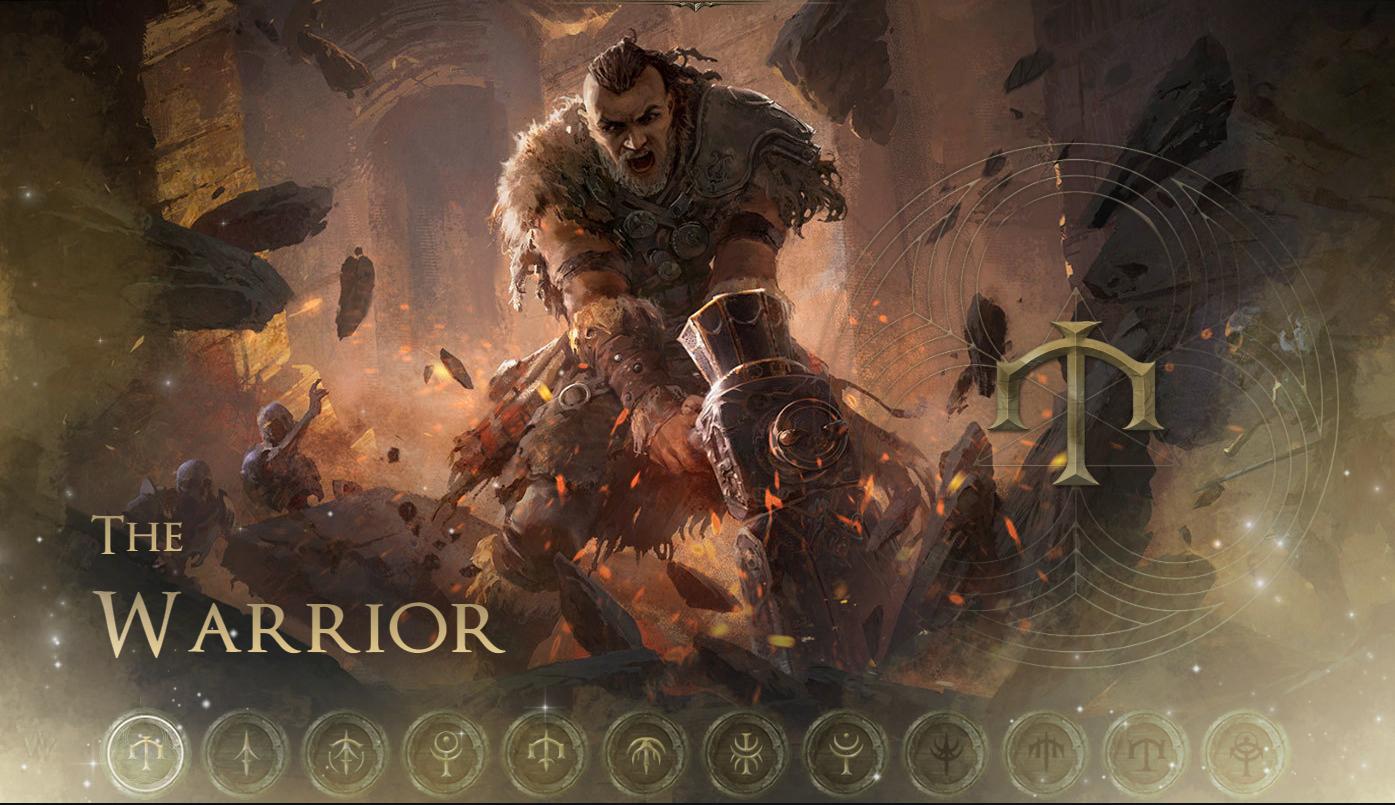
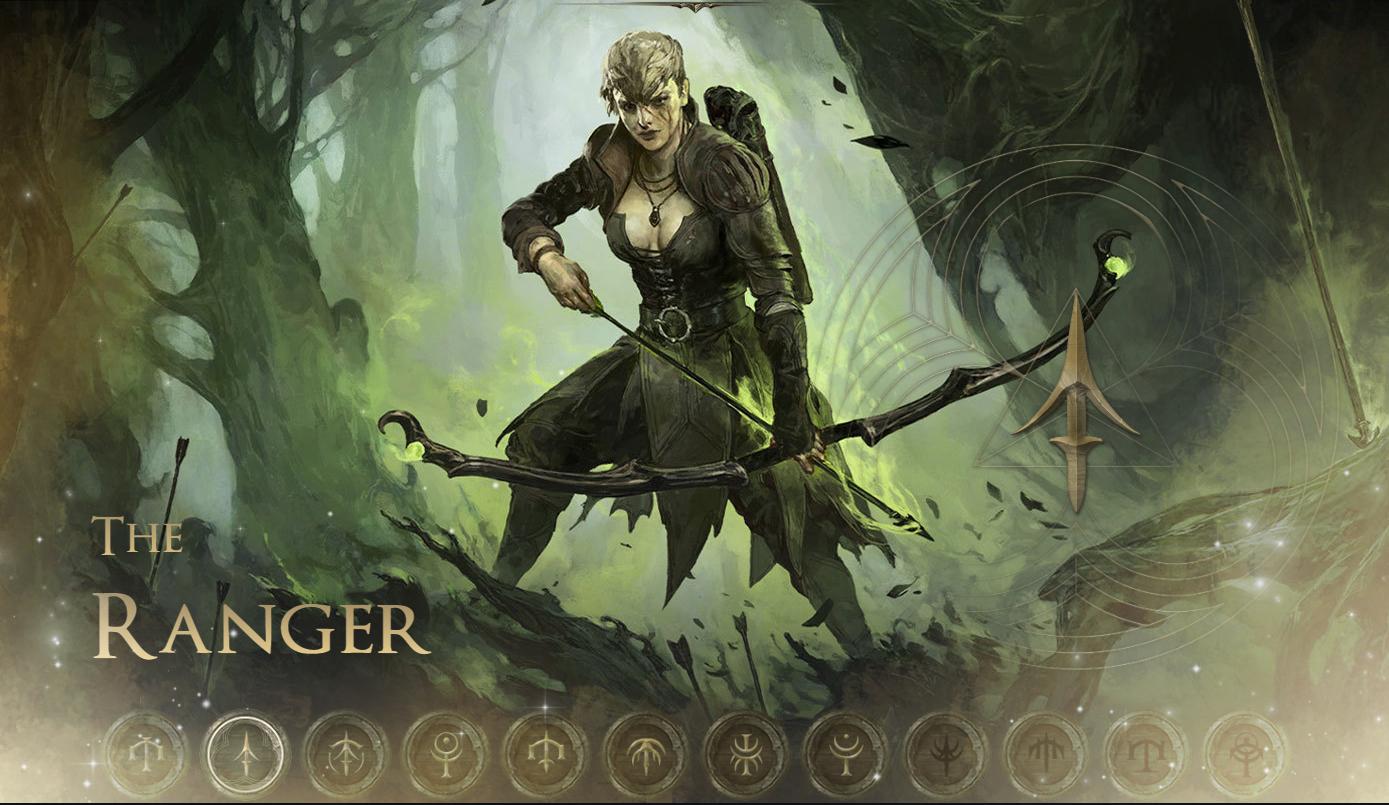
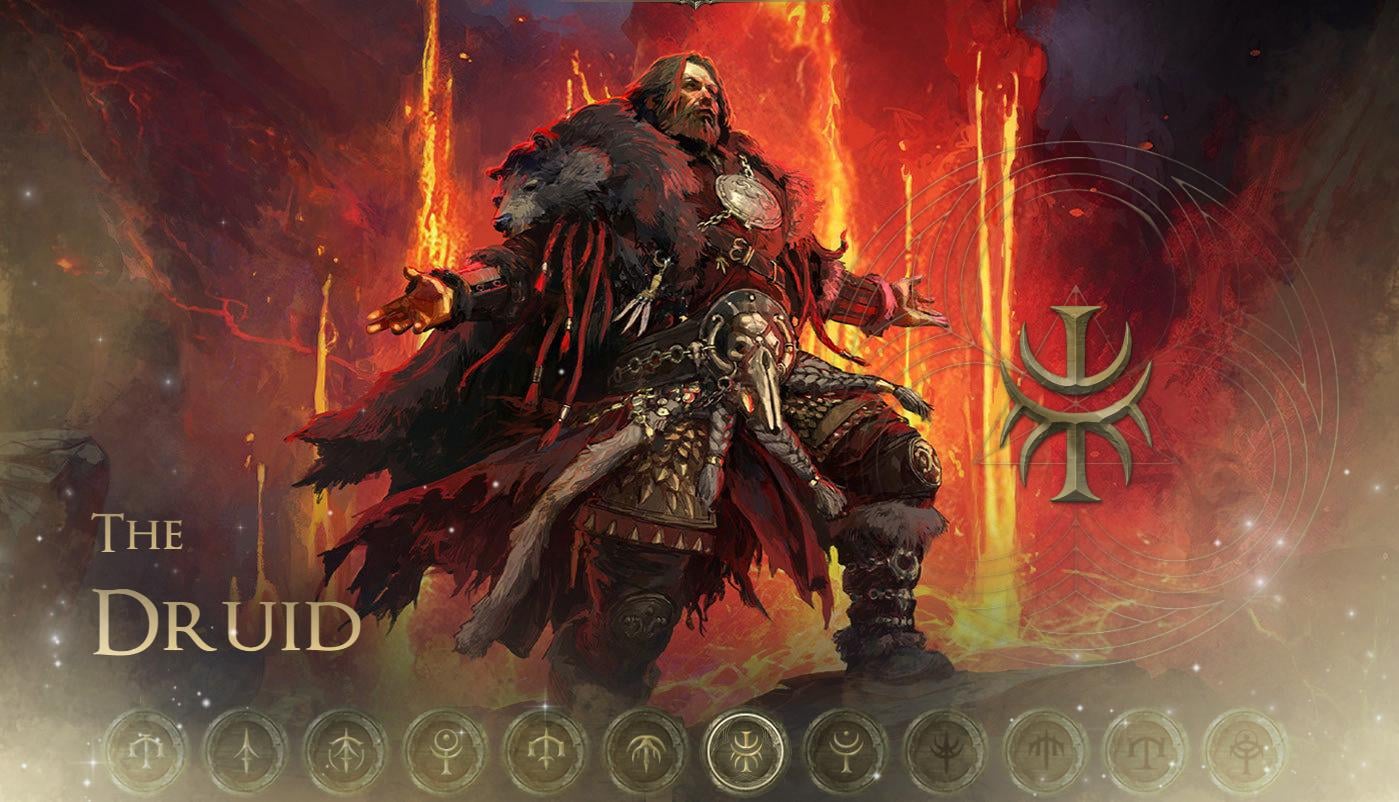
And now we swiftly move to discussing one of the best parts of any game — playable Classes and Weaponry for these classes. In Path of Exile, we have 12 Character classes to play, and each of them offers its specific aura and playstyle. Among those, 8 Classes have received official arts and descriptions, but we will share their Stats and Weapons anyway. Let’s dive into the Classes specifics and their signature Weapons:
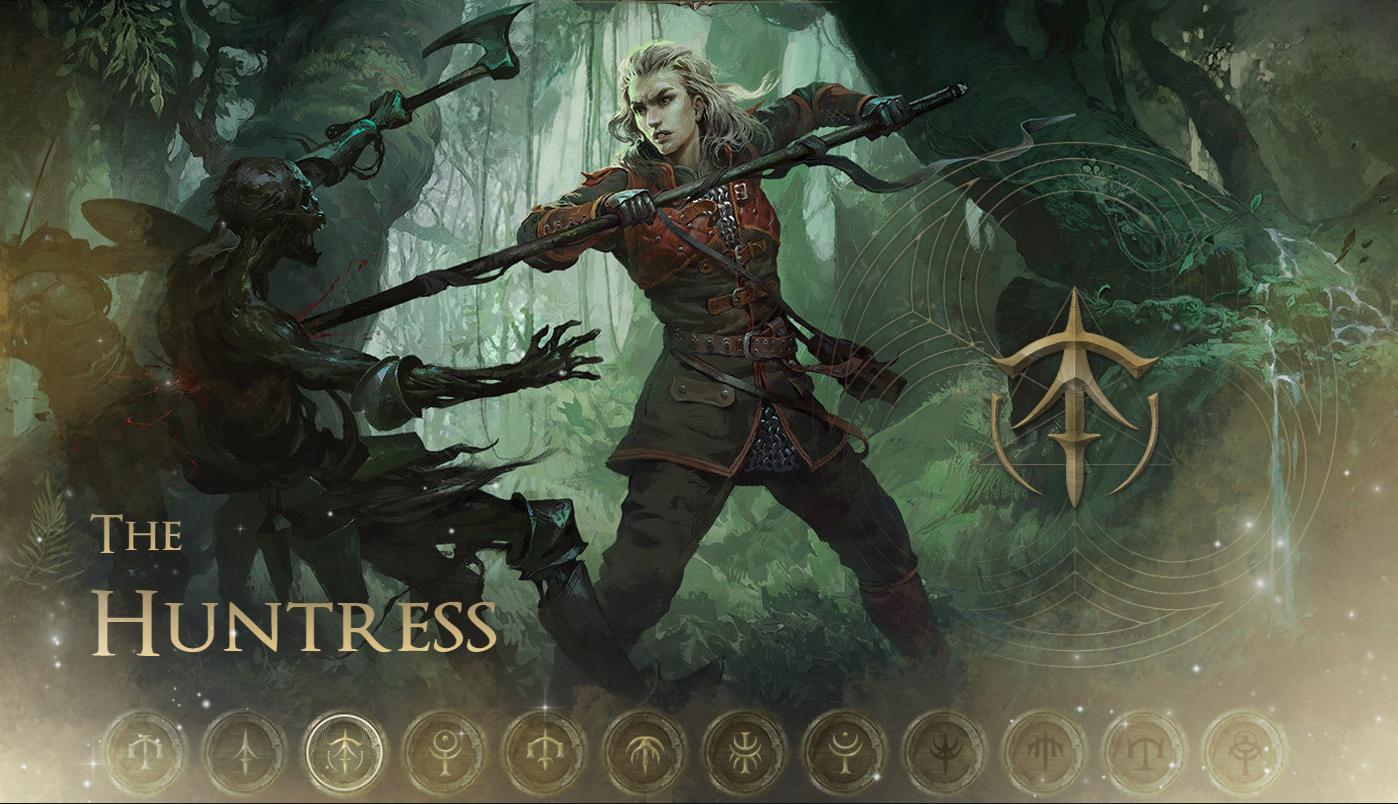

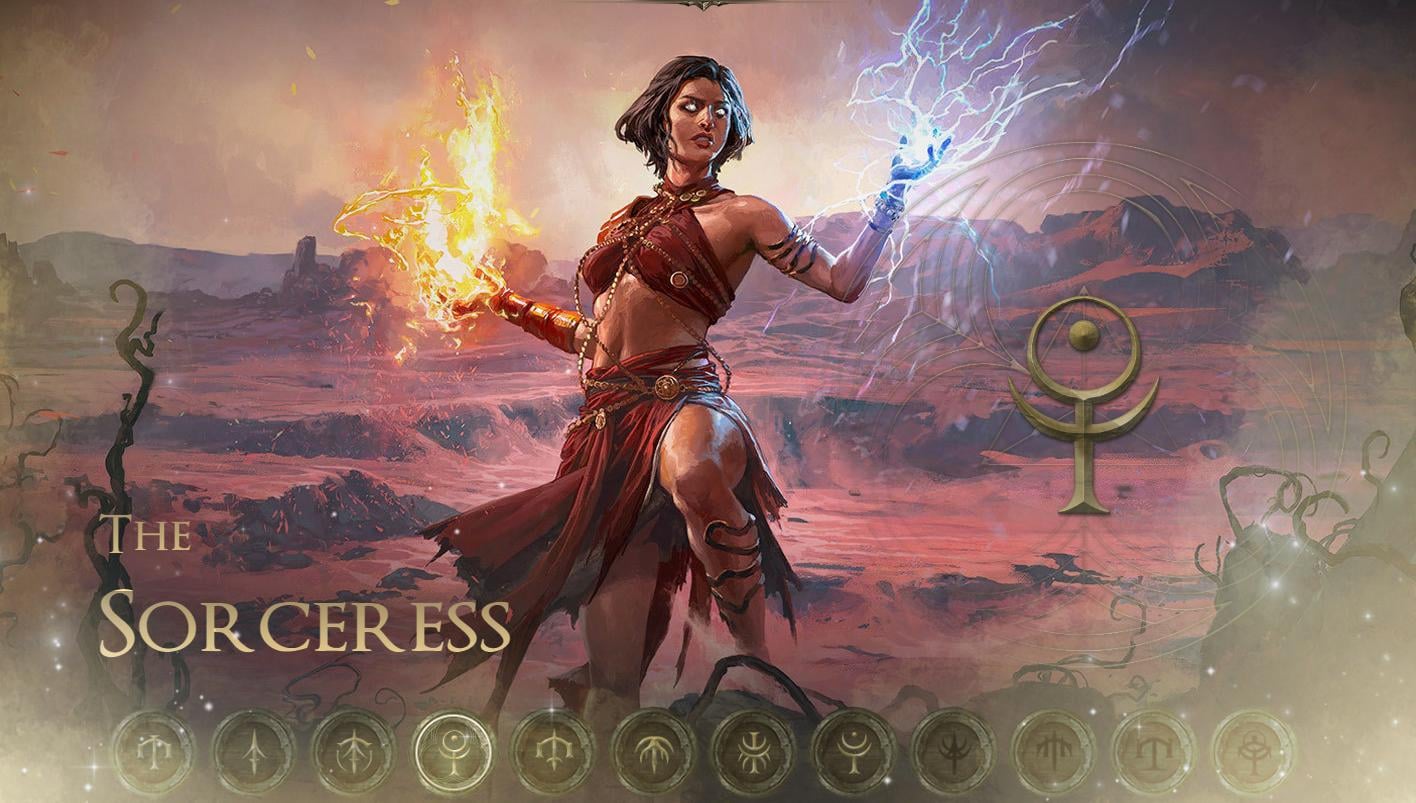
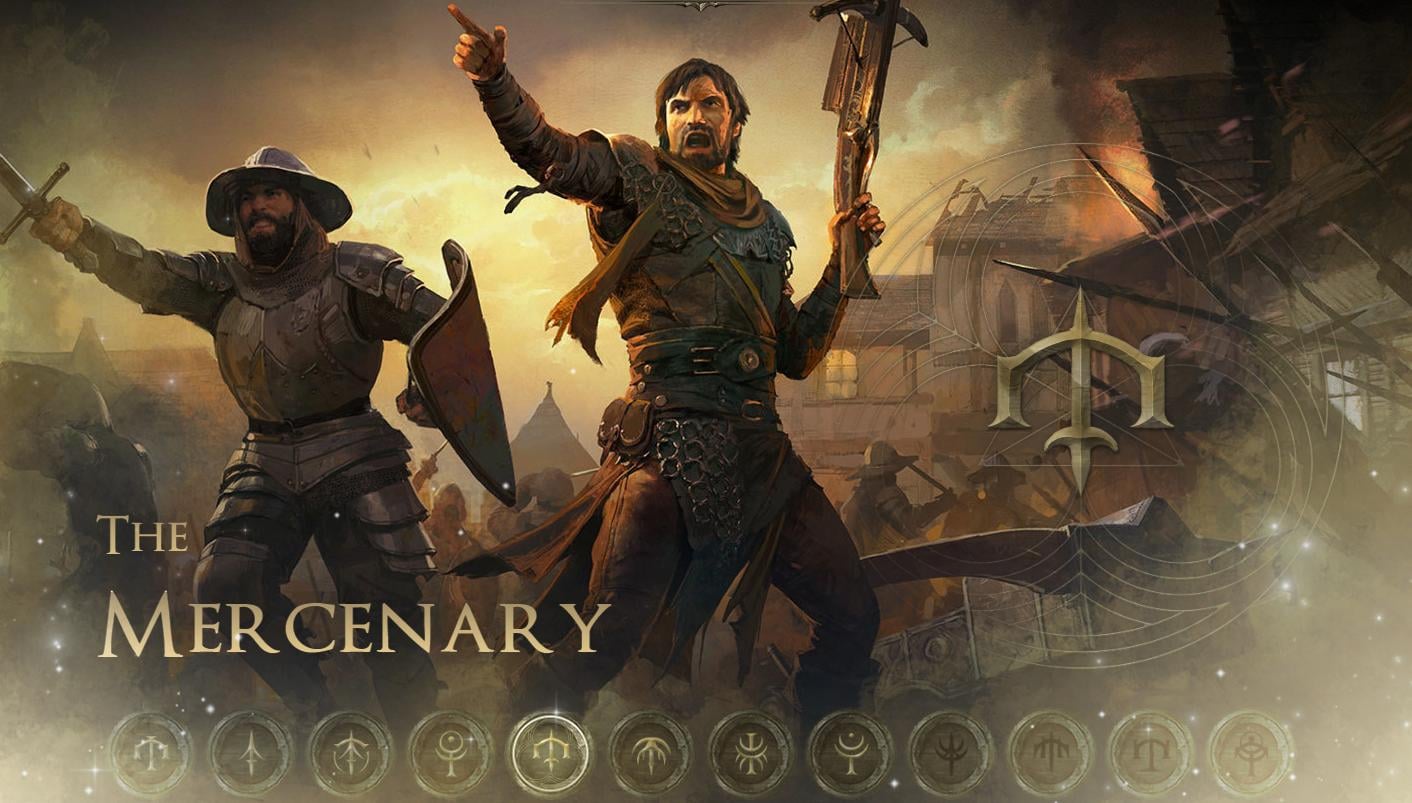
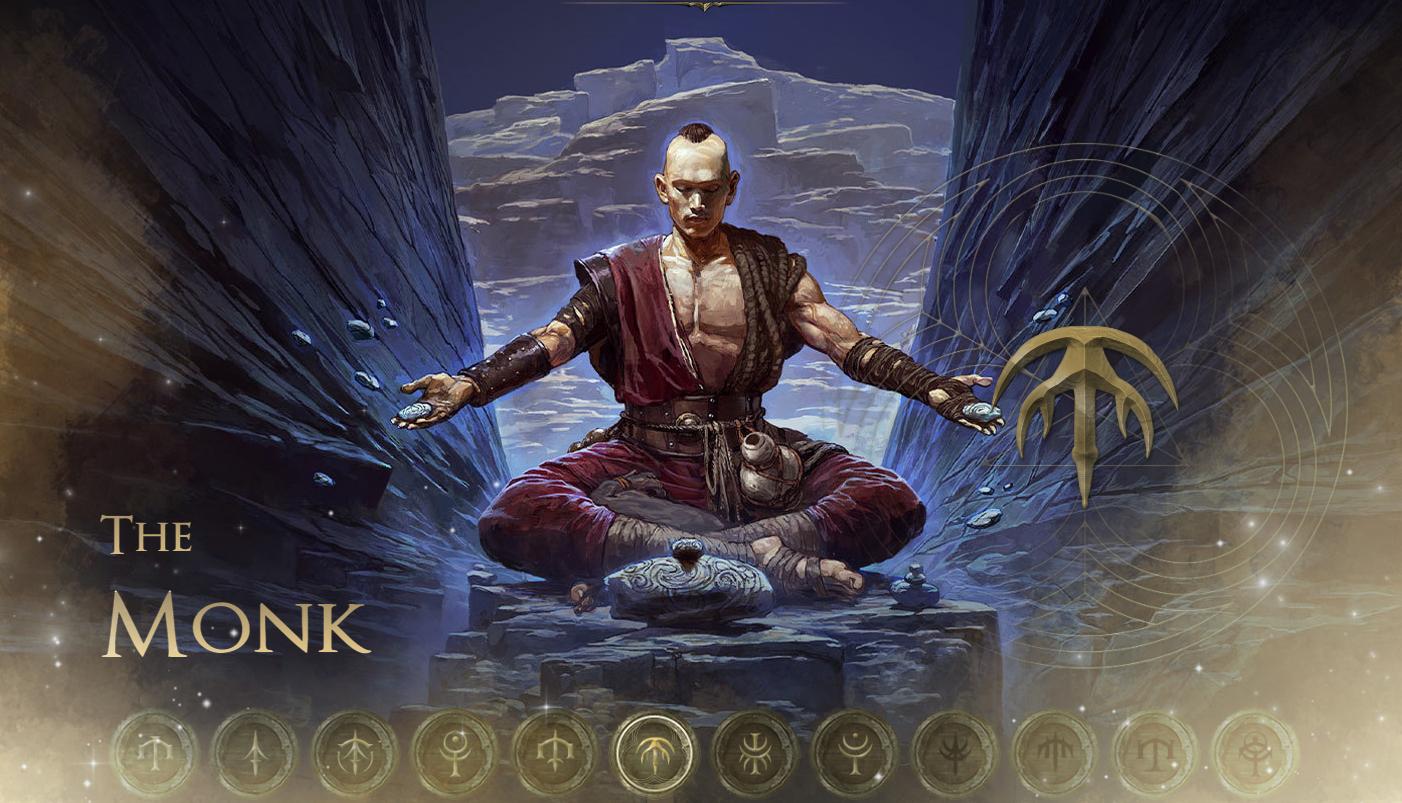
| Stats | Classes | Weapon/Skill |
|---|---|---|
| Strength | Marauder | Axes |
| Strength | Warrior | Maces |
| Dexterity | Ranger | Bows |
| Dexterity | Huntress | Spears |
| Intelligence | Witch | Minions/Occult Spells |
| Intelligence | Sorceress | Elemental Spells |
| Str/Dex | Duelist | Swords |
| Str/Dex | Mercenary | Crossbows |
| Int/Dex | Shadow | Daggers and Traps |
| Int/Dex | Monk | Unarmed and Quarterstaves |
| Str/Int | Templar | Flails |
| Str/Int | Druid | Shapeshift Spells |
📌 Note: There are only 8 Classes currently available on preview, the rest of the classes will be added to the guide as soon as new updates are released.
Ascendancy Classes
What is especially cool about PoE 2 Classes is that you have an opportunity to upgrade your class. In Path of Exile 2, we call it Ascendancy. Each base class can specialize into one of two Ascendancy Classes and unlock unique abilities and playstyles. Here’s an overview of the confirmed Ascendancy Classes:
| Class | Ascendancy | Description |
|---|---|---|
| Warrior | The Titan | The Titan is a master of stunning, powerful slams, and heavy defense, drawing on ancestral power to dominate foes and shrug off attacks. |
| The Warbringer | This mighty warrior summons ancestral spirits and unleashes thunderous Warcries to shatter enemies, continuing to do so even in death. | |
| Sorceress | The Stormweaver | The Stormweaver summons the elements to cast catastrophic spells, mass chill, shock, and conjure a devastating Elemental Storm. |
| The Chronomancer | The Chronomancer utilizes time manipulation magic to reset cooldowns, slow down enemies, and freeze time itself. | |
| Ranger | The Deadeye | The Deadeye is a fast and precise archer, who nocks extra arrows and moves quicker than the wind. |
| The Pathfinder | The Pathfinder is master flasks and poisons, turning potions into weapons and stacking poison in a breeze. | |
| Monk | The Invoker | The Invoker can command the elements and the spirits, transforming into an Elemental Avatar and unleashing powerful abilities. |
| The Acolyte of Chayula | The Acolyte of Chayula replaces Spirit with Darkness, and channels Breach’s power to absorb and unleash Chaos-infused damage. | |
| Mercenary | The Witchhunter | The Witchhunter is a master of defeating deadly foes, with improved magic defenses and the ability to disrupt enemy spellcasters. |
| The Gemling Legionnaire | The Gemling Legionnaire embeds Gems into his flesh and wields abilities that are unmatched in their intensity, growing stronger with use. | |
| Witch | The Blood Mage | The Blood Mage has mastered the energies of life itself, sacrificing her own vitality to unleash devastating attacks upon her foes. |
| The Infernalist | The Infernalist channels heat instead of mana, casting spells alongside her infernal hound before transforming into a demon. |
The game offers a really impressive variety of build options for any class, particularly for Ascendancy Classes. If you need something truly special for your character, check our Custom Builds and feel free to experiment.
Path of Exile 2 Passive Skill Tree
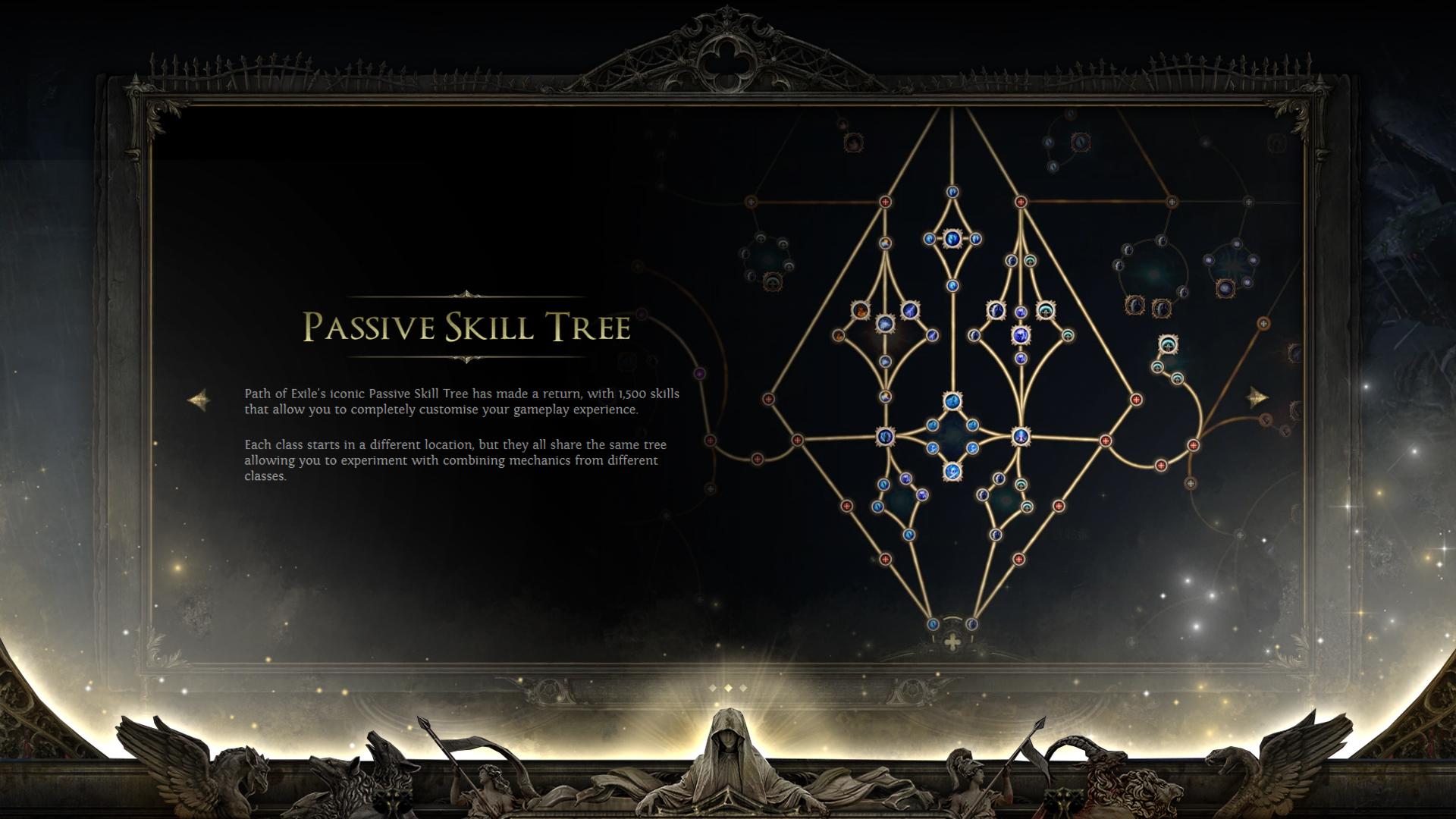
Path of Exile has always been famous for its unimaginably large skill trees. For instance, in Path of Exile 2 there are 1,500 skills in the Passive Skill Tree. However, dealing with them is not as terrifying as it seems. Your class and its primary attribute determine where you start (= your position on the Passive Skill Tree). As you progress through the game, you’ll choose your skill path. To help you and guide you through the Skill Tree, we have explained it in the table below:
| Nodes / Attributes | Position | Classes |
|---|---|---|
| Intelligence | Top | Witch, Sorceress |
| Int/Dex | Top/Right | Shadow, Monk |
| Strengths | Left | Marauder, Warrior |
| Str/Dex | Left/Right | Duelist, Mercenary |
| Str/Int | Left/Top | Templar, Druid |
| Dexterity | Right | Ranger, Huntress |
Skill Tree Nodes
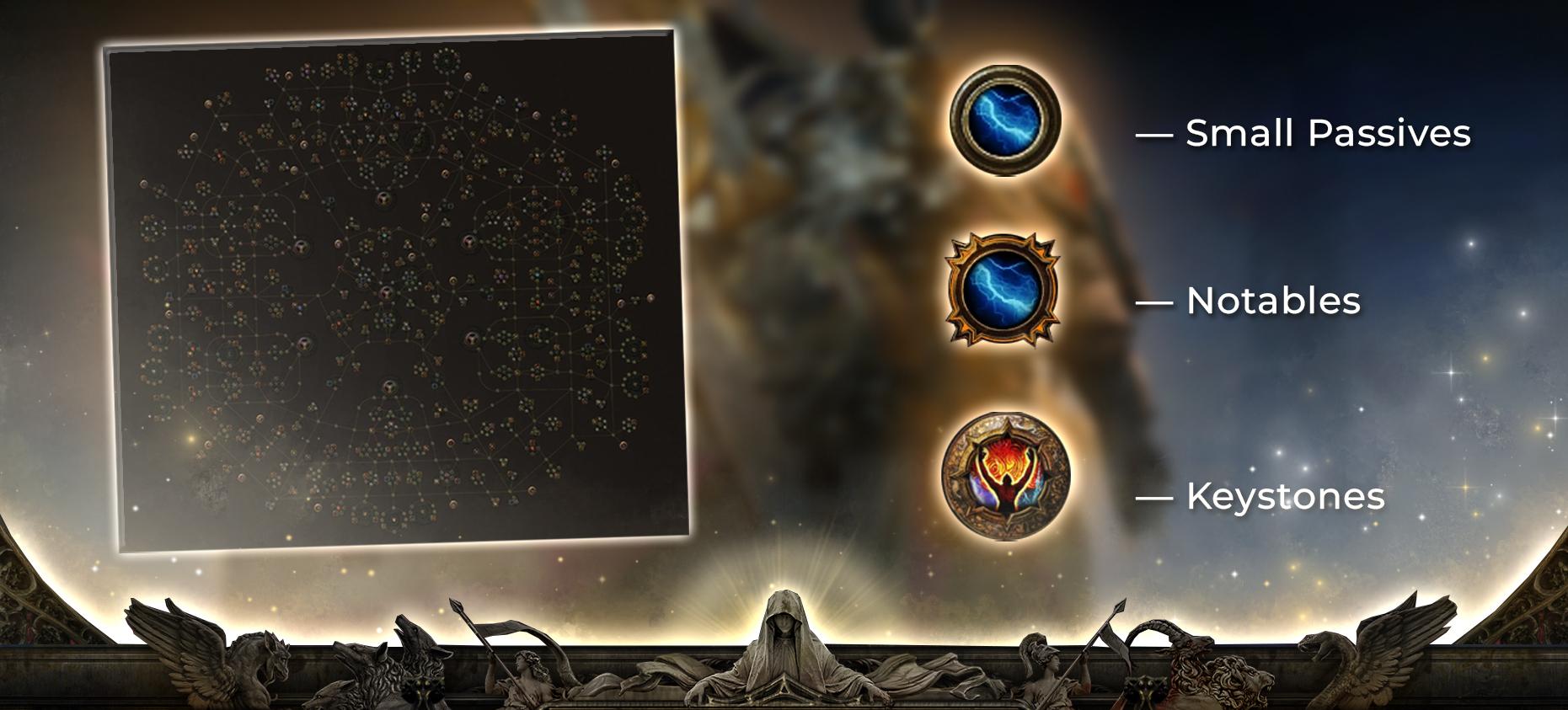
All of the Path of Exile 2 Nodes can be separated into three categories, and they are placed in the Tree in a triangle-shaped position accordingly. Thus, as you can see in the table above, nodes for characters who rely on Intelligence are at the top of the tree, Strength on the left bottom part, and Dexterity on the right bottom part. All the possible mid-nodes form another triangle, with a vertex pointing down.
“How to not get lost in all these nodes?”, you’d ask. It’s simple. Firstly, we need to outline that just like the stats, the Nodes themselves are split into 3 types:
- Small Passives — basic Passive Skills, granting minor Damage, Attributes, Accuracy, and Armour bonuses. They are good for early game, but as you level up, their bonuses diminish and you’ll go for bigger and stronger nodes;
- Notables — next-level gen of Nodes, which provide much better bonuses. They can be found at the end of the Small Passives chain. Together this chain and Notables form a cluster, which grants you access to the last type of better nodes;
- Keystones — these are your primary target. This node can be found at the end of the Tree branch. It usually grants massive bonuses and powerful effects. But keep in mind that sometimes they come with a minor downside to balance your power. You’ll need to consider it while choosing the Keystone.
Dual Specialization
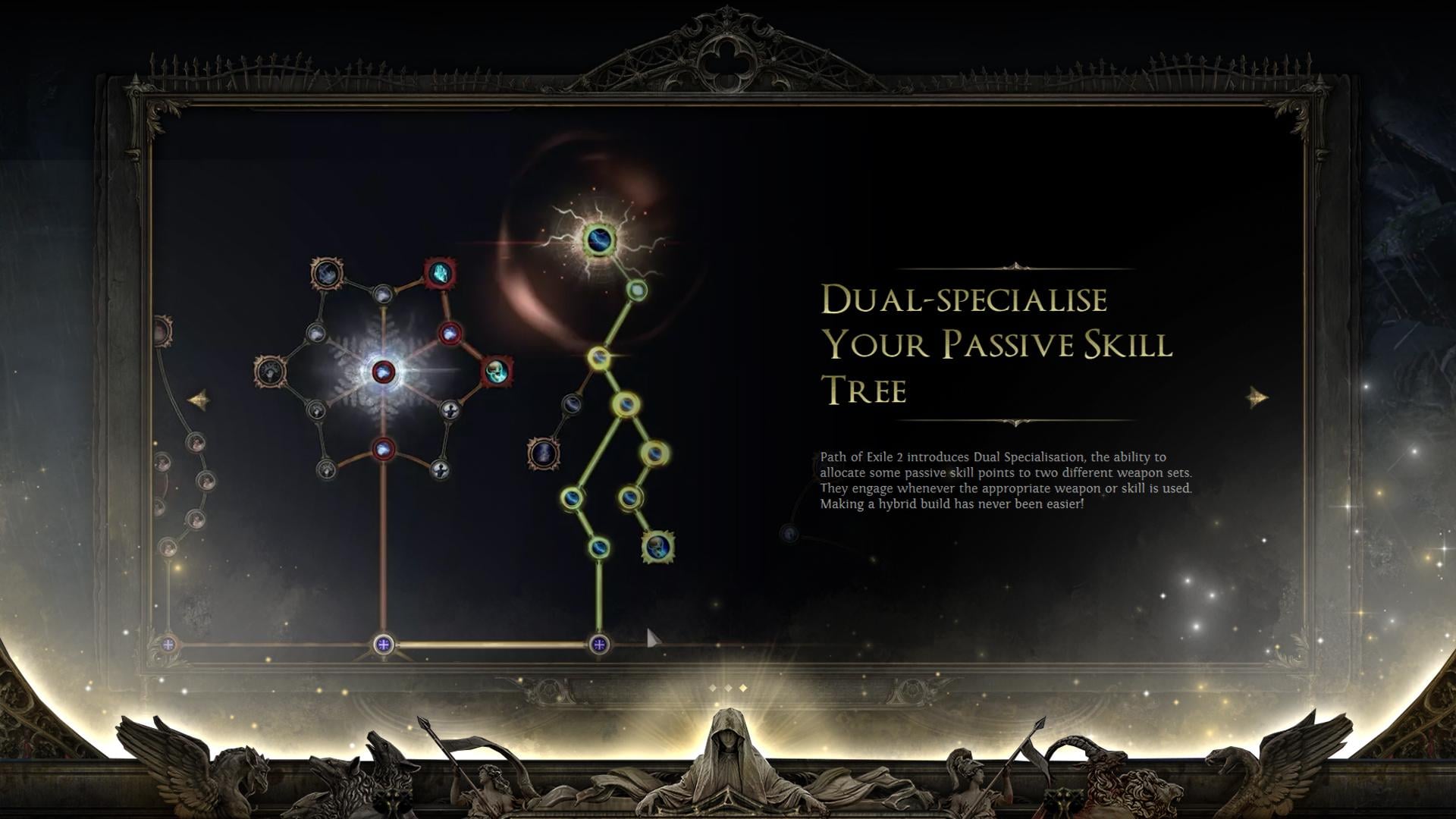
Path of Exile 2 Dual Specialization system opens up a whole different level of flexibility in terms of build construction. You can essentially set up two different Passive Skill paths for a different weapon loadout. It allows your character to seamlessly shift to the corresponding passive bonuses upon switching said weapons. That is, you can freely allow yourself to change your tactic right this instant. Here’s how:
- Two Passive Paths: Spend points separately per each specialization. For example, one path could increase Cold damage, while the other amps up the Lightning damage;
- Auto-Switch: This is a setting that will automatically change which passives are active when switching between weapons.
📌 Note: Limited Points. You can only spend a certain amount of points within each of the specializations, earned through rewards from campaign quests.
Set up this way, in PoE 2, you will definitely have the ability to switch between two preferable playstyles fluidly. This will help you meet your needs, depending on enemy types or strategies mid-run. We will be updating this section as more details about Dual Specialization come out.
Path of Exile 2 Equipment and Items
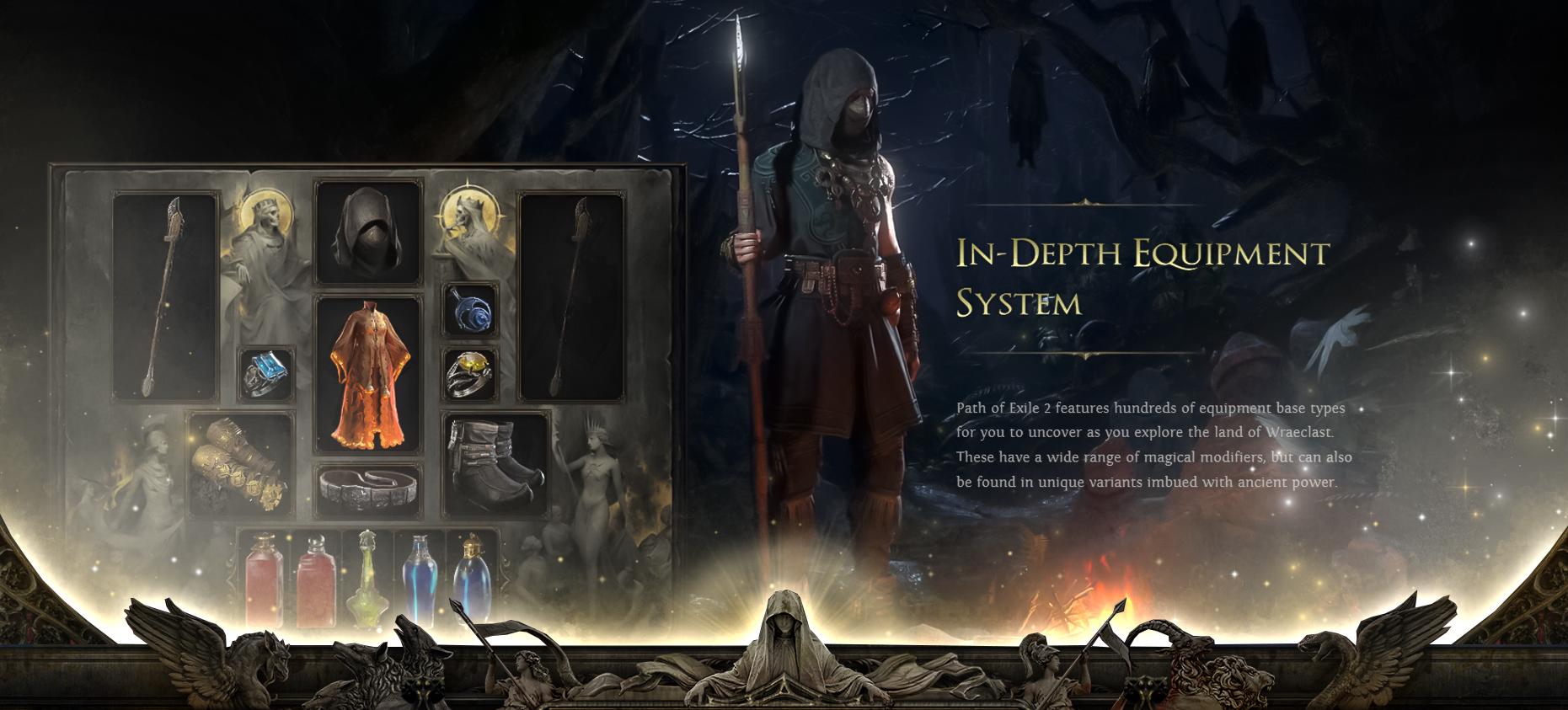
In Path of Exile 2, your character’s equipment is crucial for enhancing abilities and survivability. As Grinding Gear Games promised, in PoE 2 we get an In-Depth Equipment System with a variety of magical modifiers. The game features several gear slots:
- Weapon: Options include two-handed weapons, dual-wielding one-handed weapons, a one-handed weapon paired with an off-hand item, or a bow accompanied by a quiver;
- Helmet;
- Chest Armor;
- Gloves;
- Boots;
- Amulet;
- Ring 1;
- Ring 2;
- Belt.
It would be fair to mention that weapon types do not only determine which tool you use for attacks but also affect the in-game animations and playstyle. This feature encourages you to try something new, so do not miss this opportunity.
Item Modifiers
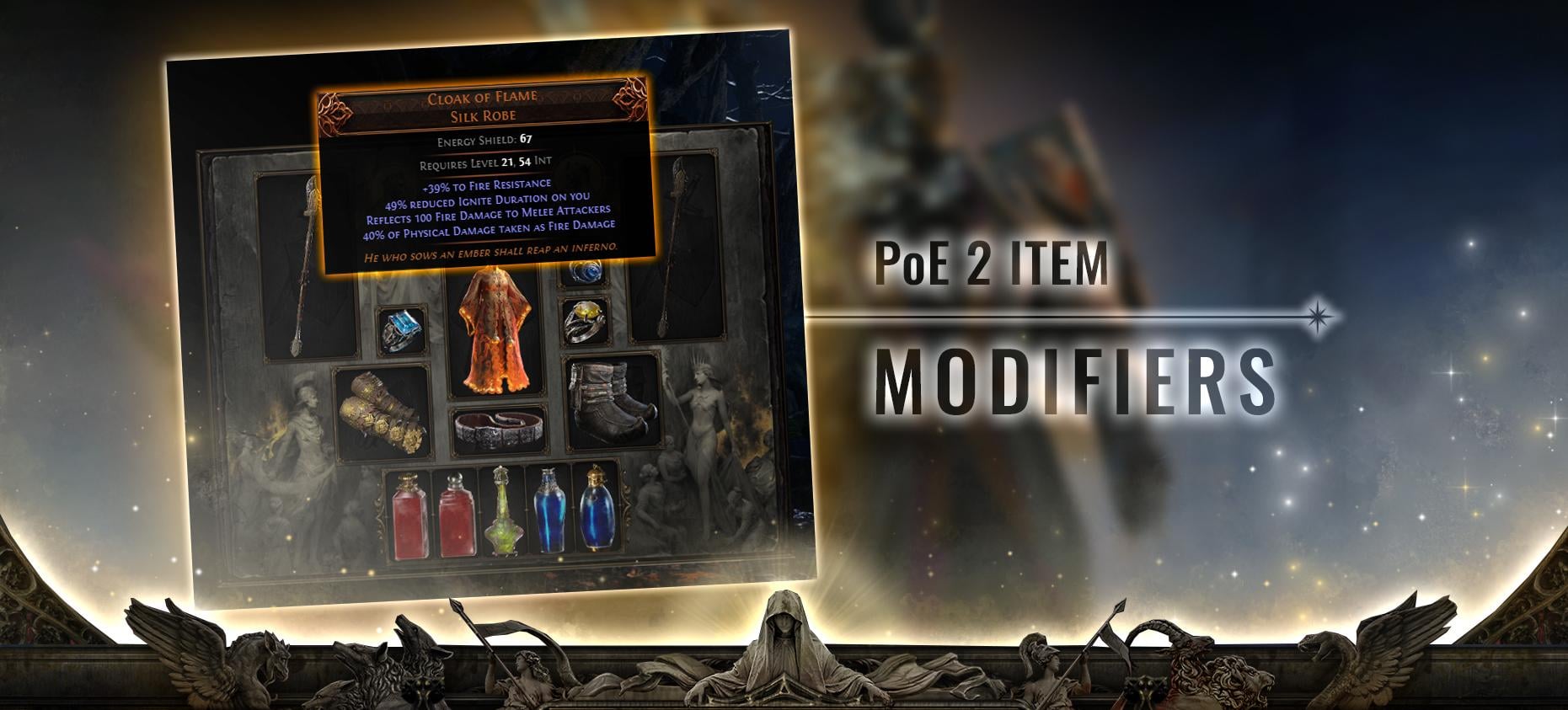
In Path of Exile 2 Modifiers of an item define a lot about your character’s capability and playstyle. Modifiers are divided into three major types :
- Implicit Modifiers: These are part of the base type of the item, and never will they change. An example of such can be a basic stat like Armor or Energy Shield on an item pieces like Chest, Belt, or Gloves, and Damage on weapons;
- Explicit Modifiers: Those extra properties items can either roll while being generated randomly, or be crafted onto an item to enhance attributes like increased damage, life, or resistance. These are also called Prefix Modifier and Suffix Modifier. For effortless modification of your rare items get some Chaos Orbs, our team will deliver them as soon as possible to ensure you have all the needed resources.
Prefixes and Suffixes have special Tiers, that you can check when you look at your item (e.g. Prefix Modifier “Sanguine” (Tier: 11) — Life). Each item can have a mix of these, which affects not only the offensive but also the defensive stats. An example is that a pair of Dexterity-based boots would have, by properties of the base item, an implicit modifier giving increased Evasion Rating and explicit modifiers that give movement speed and resistances.
Item Rarity
Path of Exile 2 Item Rarity can generally be compared to any other game’s system with a hint of specific PoE 2 traits:
| Item Rarity | Description | Modifiers |
|---|---|---|
| Normal | A basic item with no added properties. | Only implicit modifiers are based on the item’s base type. |
| Magic | Contains one or two additional properties for a bit of customization. | Up to 1 Prefix and 1 Suffix. |
| Rare | Fully customizable with multiple added properties, ideal for tailoring builds. | Up to 3 Prefixes and 3 Suffixes. |
| Unique | Grants powerful, specialized effects but cannot be crafted or altered with standard methods. | Fixed unique modifiers, but no Prefix/Suffix changes. |
We also provide you with a list of Additional Notes that you should consider at the start of PoE 2:
- Flasks can only be Normal, Magic, or Unique — there is no Rare rarity for flasks.
- Strong character builds often use a mix of Unique Items for their unique effects and Rare items to cover essential stats like Life or Resistance. This balance is crucial for survival and effectiveness, so keep this point in mind.
One of the most famous Unique Items is Kalandra’s Touch. It’s marked as Unique, extremely rare, and difficult to obtain. But not for our pro players, who dedicated hundreds of hours to mastering their skills, and now they are ready to assist you with getting this special ring.
Defensive Stats
In Path of Exile 2 Item Stats are basically the Implicit Modifiers that we have observed previously in this guide. But there’s one important thing about them: all stats can be split into the Defensive category and an Offensive category. The first is required for the protection of your character while the second is used to determine your attack capabilities.
First and foremost, let’s outline the Path of Exile 2 Defensive Stats, that you can find on your gear and weapons.
Resistances
Resistances can mitigate Elemental (Fire, Cold, Lightning) and Chaos damage. Capping Path of Exile 2 Resistances at 75% is essential to reduce incoming damage effectively, as each percent decreases the possible incoming damage per hit. This is especially useful when fighting a tough boss.
Resistance can be found in an item as an explicit modifier, and it usually looks like “+15% to Fire Resistance”, so if you plan to deal with a specific type of damage, choose your gear accordingly.
Damage Mitigation
Path of Exile 2 Damage Mitigation addresses Physical damage through gear stats found on your items, like Armour and Evasion, or Energy Shield. It depends on your class.
| Attributes | Gear Stats | Explanation |
|---|---|---|
| Strengths | Life, Armour | Reduces physical damage taken based on the amount of Armour and the damage of the incoming hit. |
| Dexterity | Evasion | Provides a chance to evade attacks entirely, scaling with Dexterity. |
| Intelligence | Energy Shield | Consumes the incoming damage based on your Intelligence. |
Energy Shield
Though Energy Shield can also be considered one of the means of damage mitigation, it differs a bit from the rest of the stats. Path of Exile 2 Energy Shield acts as an additional health buffer that regenerates over time when not taking damage. Chaos damage bypasses Energy Shield unless mitigated by specific mechanics. Energy Shield is visible on the sphere with your HP as a blue substance, which shows the strengths of the shield.
Offensive Stats
Path of Exile 2 Offensive Stats are the modifiers that contribute to your damage and attack capabilities. We can split them into a few major categories:
- Attack Type (Melee, Physical, AoE, etc.);
- Attack Speed;
- Attack Damage;
- Critical Strike Chance;
- Cost (usually in Mana points).
Each of them is responsible for adding functionality to your weapon, and you can choose the Skill Gems with the required Offensive Stats. To understand which Gem suits you most, consider the Damage Type it grants.
Damage Types
Dealing damage in PoE 2 involves a considerable understanding of different types of damage and their scaling mechanisms. That is why we want to outline the main damage types and explain them. The Path of Exile 2 Damage Type depends on lots of factors — from your character class to the type of the weapon. We can outline several major types:
- Attacks — Skill Gems that deal damage based on weapons, their stats, and attack skills. You need to place them into a Skill Gem socket to gain a particular Attack Skill. Such type of Skill Gem will grant an additional effect to your regular weapon;
- Spells — The Basic Damage and Crit Chance of the Spells are determined by the Skill Gem and its level, independent of weapon damage;
- Damage over Time (DoT) — Work similar to Spells, but DoT effects also apply continuous Fire Damage (Ignite), Physical Damage (Bleed), or Chaos Damage;
- Secondary Damage — To put it simply, Secondary Damage is some extra effect from a Skill Gem, that complements the initial damage, e.g. an AoE Fire damage which is applied to the ground around an enemy when it dies.
Path of Exile 2 Gems
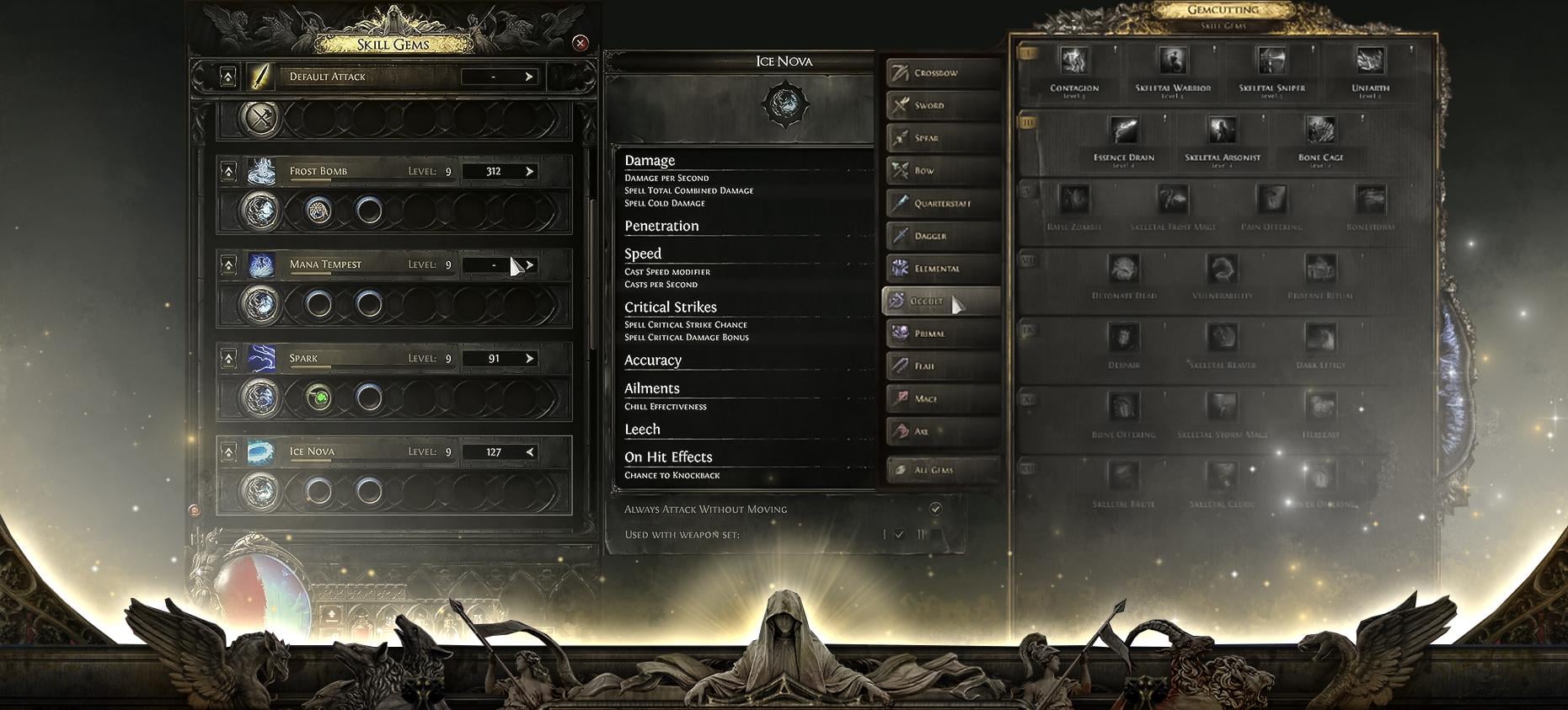
Have you noticed how Path of Exile 2 differs from the rest of the games? Well, there is one more thing that makes PoE 2 stand out of the crowd. Skill Gem in-game system offers us flexibility which is just unparalleled. It allows players to personalize the character’s abilities so much, as GGG says.
While in many action RPGs, skills are usually bound to a certain character class or equipment, in Path of Exile 2, this is achieved via Skill Gems that give and change abilities. This system helps the player in personalizing their playstyle by choosing and enhancing skills with various types of gems.
Skill Gems
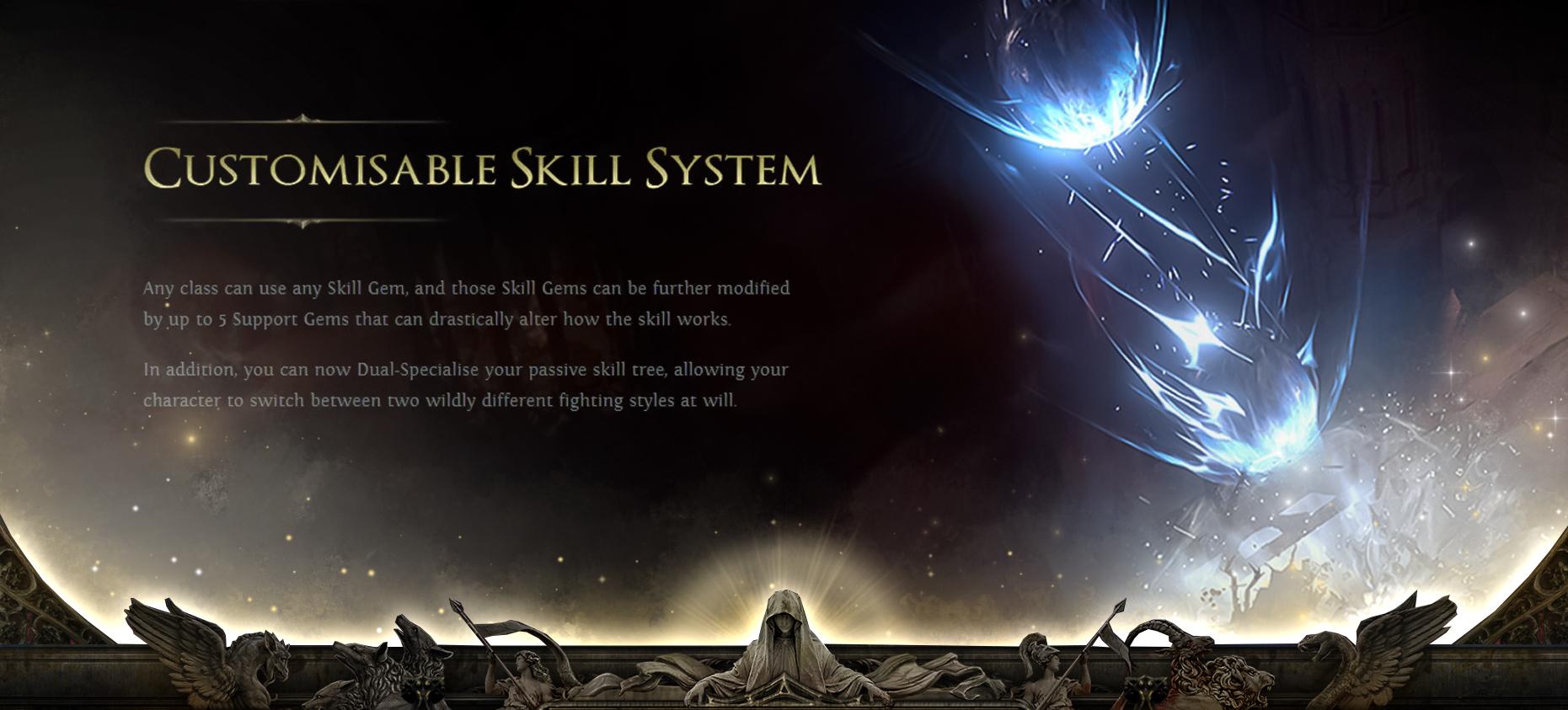
Path of Exile 2 Skill Gems are items socketed into your gear that provide active skills to you, such as attacks, spells, or summons. You can get these items by completing numerous activities or created from Uncut Skill Gems.
Each Skill Gem has a set level and attribute requirements that must be met for the use of the associated skill. Later on in the game, you can level up Skill Gems to increase their power and effectiveness. Also, there are 12 subcategories of Gems, which match each of the classes:
Crossbow, Sword, Spear, Bow, Quarterstaff, Dagger, Elemental, Occult, Primal, Flail, Mace, Axe.
Uncut Skill Gems
Uncut Skill Gems in Path of Exile 2 are items that we use to choose and create specific Skill or Support Gems. When used, they open the Gemcutting interface. There you can choose an option in accordance with your character’s needs and build. The level of the Uncut Gem will provide the level of the Created Gem.
📌 Note: You can access any Skill via using an Uncut Skill Gem, no matter what your class is.
Support Gems
Support Gems are Gems that modify the effects of active Skill Gems when socketed into linked gem sockets. They can enhance damage, alter mechanics or add new effects to the supported skill. Each Support Gem increases the attribute requirements of the skill by a value. The value depends on the Support Gem but not on the Skill itself.
The maximum amount of total Path of Exile 2 Support Gems you can use for one Skill Gem is 5. When you can’t enhance the Skill Gem any further it turns into “6-link” (1 Skill Gem + 5 Support Gems).
Meta/Trigger Gems
Meta Gems are a special type of Skill Gem. They can also be supported by both Support Gems and other Skill Gems. Most of them include a supporting part, and in order to work, they require other Skill Gems linked to them. This class of gems can trigger other skills or give more complex effects.
Gem Colors and Attributes
Each PoE 2 Gem has a color related to one of the main attributes of the game, including the following:
- Red Gems: Strength;
- Green Gems: Dexterity;
- Blue Gems: Intelligence.
The color of a gemstone identifies its attribute alignment and decides the equipment socket color it goes into. Skill Gems have attribute requirements depending on their color. Support Gems add to these requirements when linked. Maintaining the colors of Gems and the Attributes will go a long way toward perfecting the character’s build and enabling the use of all Active Skills.
From what we know now, you will be able to change the color of the Gem via end-game currency items, e.g. Chromatic Orbs. However, this information can change closer to the release date, so keep an eye on our guide to stay updated.
Path of Exile 2 Endgame Overview
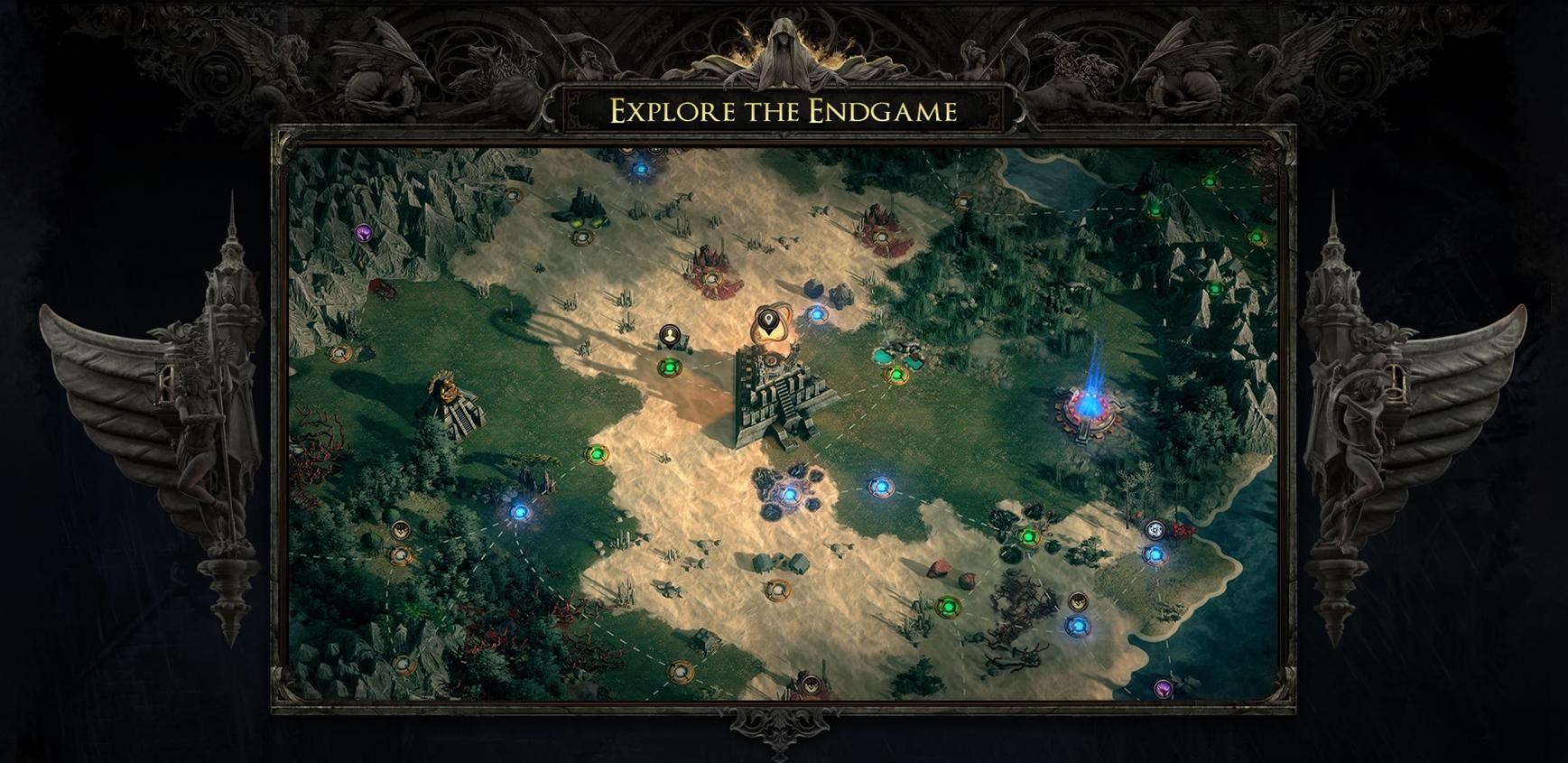

“At the conclusion of Path of Exile 2’s six-act campaign, you’ll gain access to its endgame. Each of the more than 100 endgame maps has its own boss fight and modifiers that enable revamped versions of many of Path of Exile’s past leagues. We’ll reveal more details of the surprises that await you in Path of Exile 2’s endgame in the leadup to release”.
— Grinding Gear Games.
In Path of Exile 2, the endgame builds upon the complex mapping system of its predecessor. Beyond the completion of the six-act campaign, over 100 varied endgame maps featuring unique bosses and modifiers are unlocked. These modifiers incorporate revamped versions of many past leagues into more varied and challenging experiences.
In general, the endgame for Path of Exile 2 promises to be not only deep but also varied. Continuing from the mapping system set up in the original game, it adds new challenges and avenues that would be able to be applied by gamers. If you want to enter the endgame ASAP, we can assist you via Uber Boss Fragments. Our pro team will get you the special fragments to summon this type of Bosses. You’ll get the best rewards and skip the pre-endgame grind.
Path of Exile 2 Endgame Events
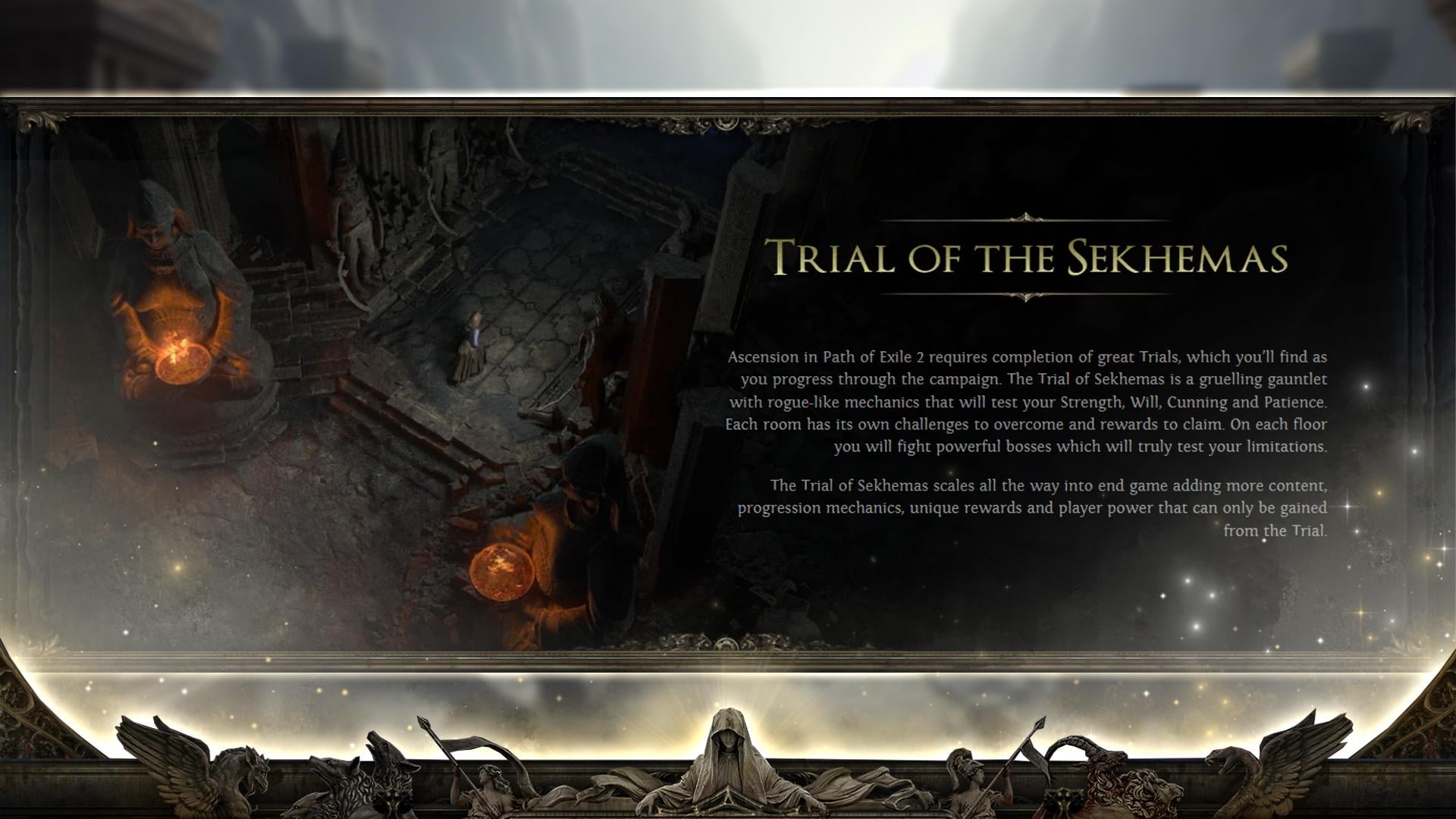
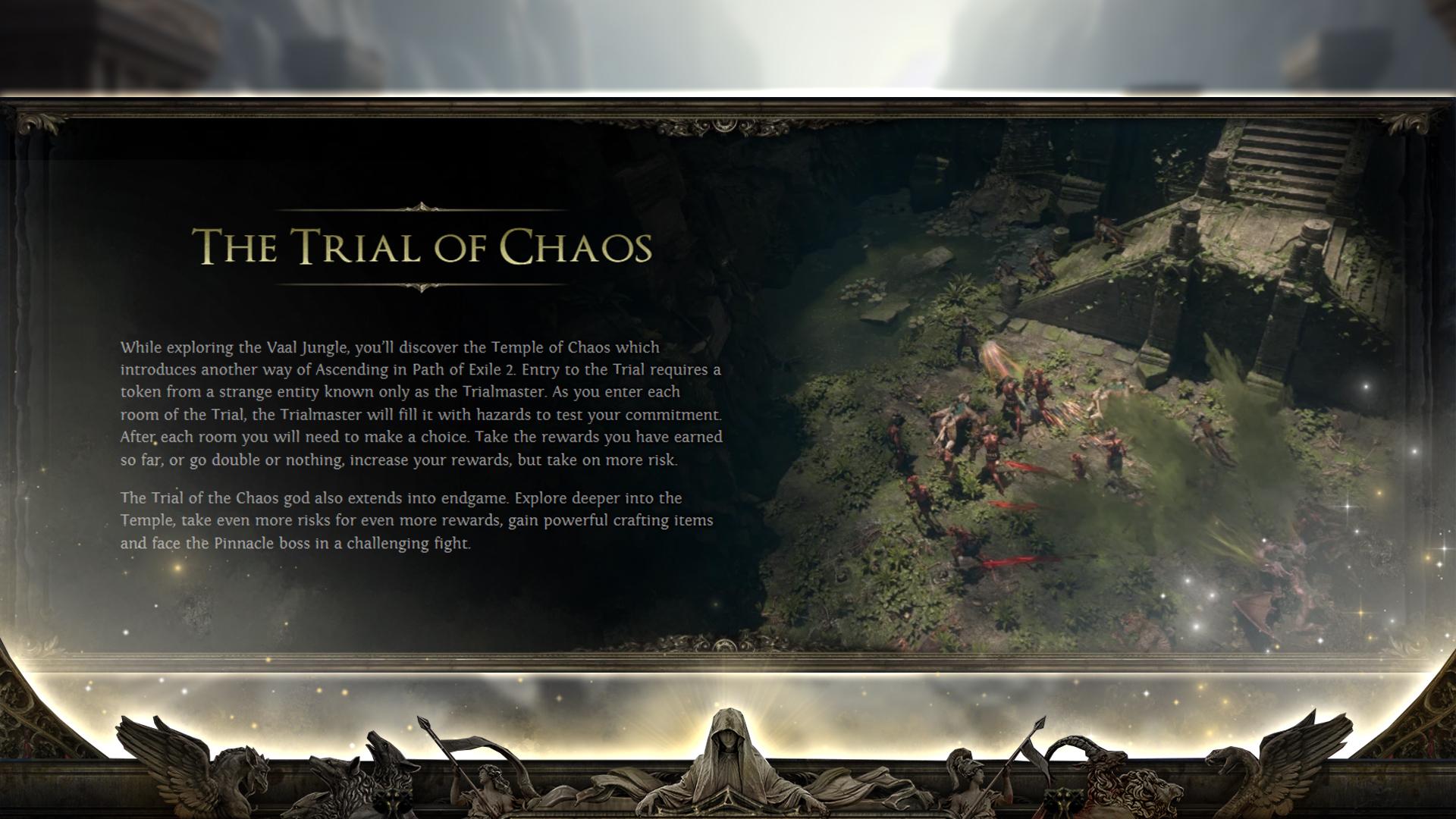
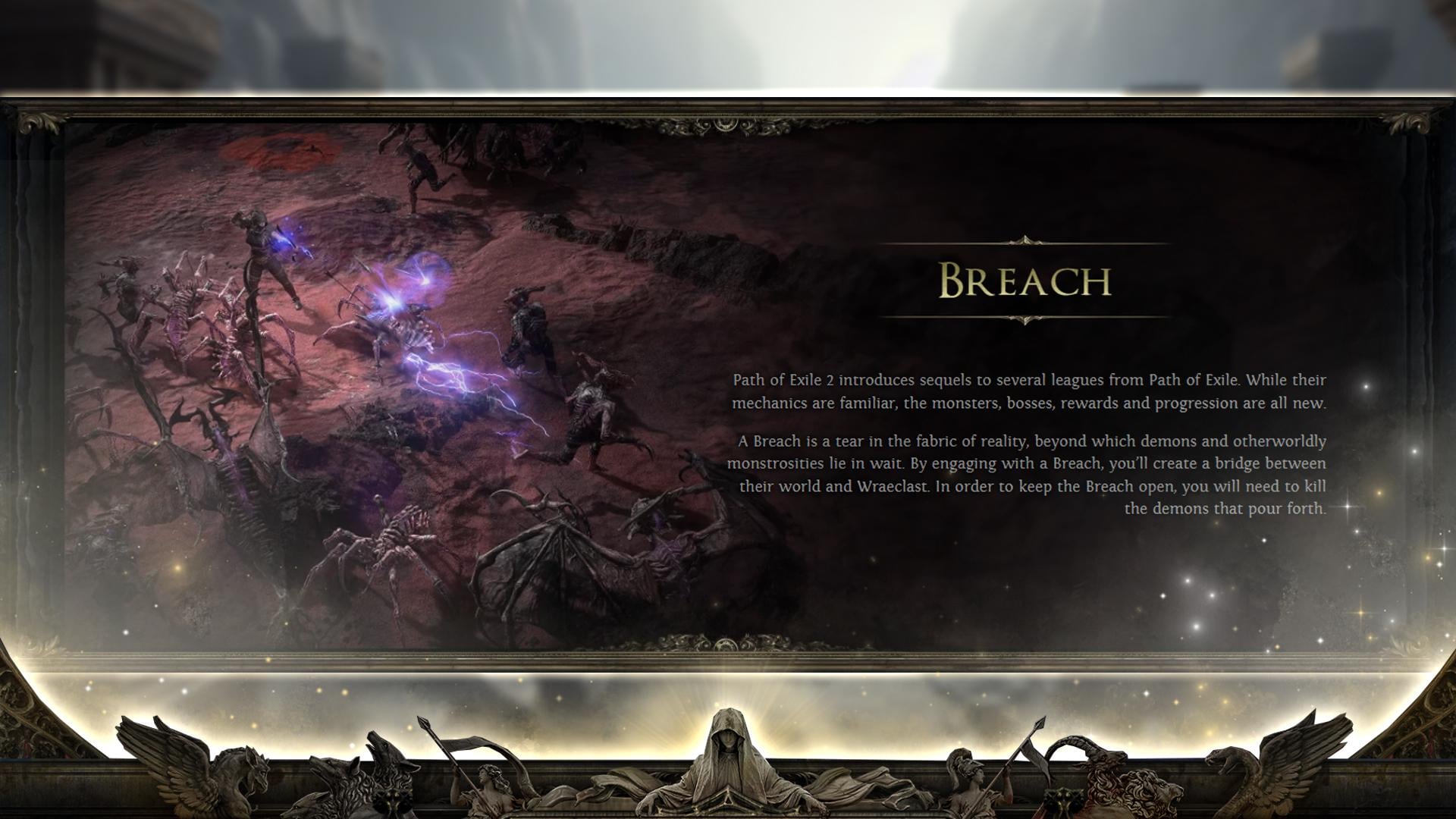
The Endgame usually becomes the phase where all the fun begins. In the case of Path of Exile 2, it’s not just fun, but a whole new level of your adventures that will start. Currently, we know about 7 major Path of Exile 2 Endgame Activities:
Trial of the Sekhemas
The first step towards the Ascension in PoE 2 is the Trial of the Sekhemas. The trial itself offers rogue-like mechanics, a variety of rooms, and floors with bosses who’ll test your abilities. GGG says, that the Trial of Sekhemas scales all the way into the end game, so you’ll have challenging content all the way through.
The Trial of Chaos
Held in the Temple of Chaos, the Trial of Chaos offers one more way of Ascension. Here you’ll face the Trialmaster, who’ll test you via different tools: hazards, monsters, etc. The further you go in the temple, the harder the trial will become. But the rewards will scale accordingly.
Breach
A Breach is a tear in the fabric of reality, where you’ll fight for your life against demons, monsters, and bosses. The mechanics are promised to be familiar to those who have played the original PoE but with a hint of new challenges.
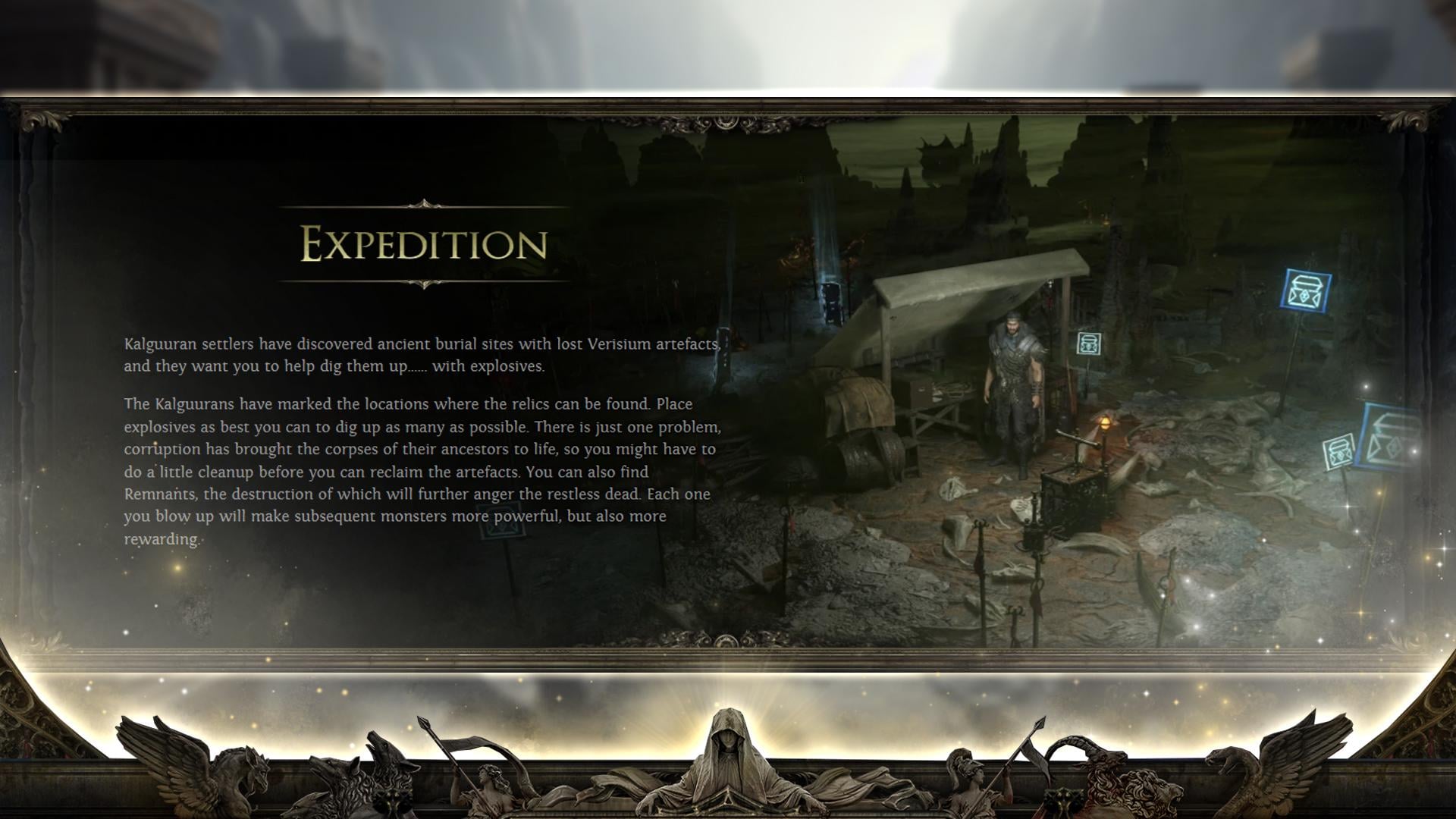
Expedition
The Kalguurans have marked the locations with essential relics, so you will be able to engage in an Expedition. But your task is not that easy: you’ll meet the ghosts and corpses of the ancestors, who will try to keep you away from the Relics at any cost.
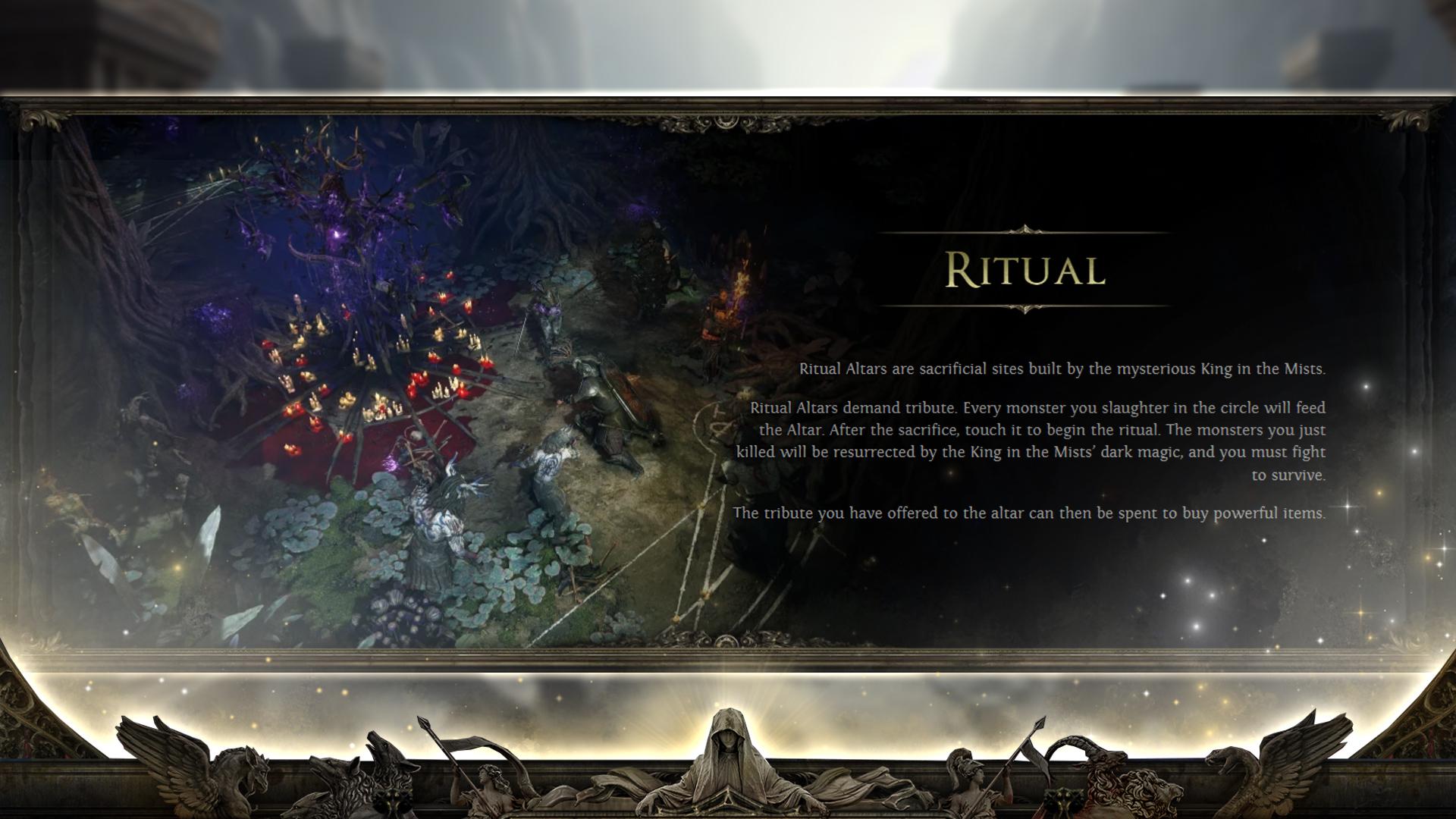
Ritual
In order to get some powerful items and test your skill you will make sacrifices at Ritual Altars. Slaughter monsters around the altar, feeding it. According to the GGG information, “the tribute you have offered to the altar can then be spent to buy powerful items”.
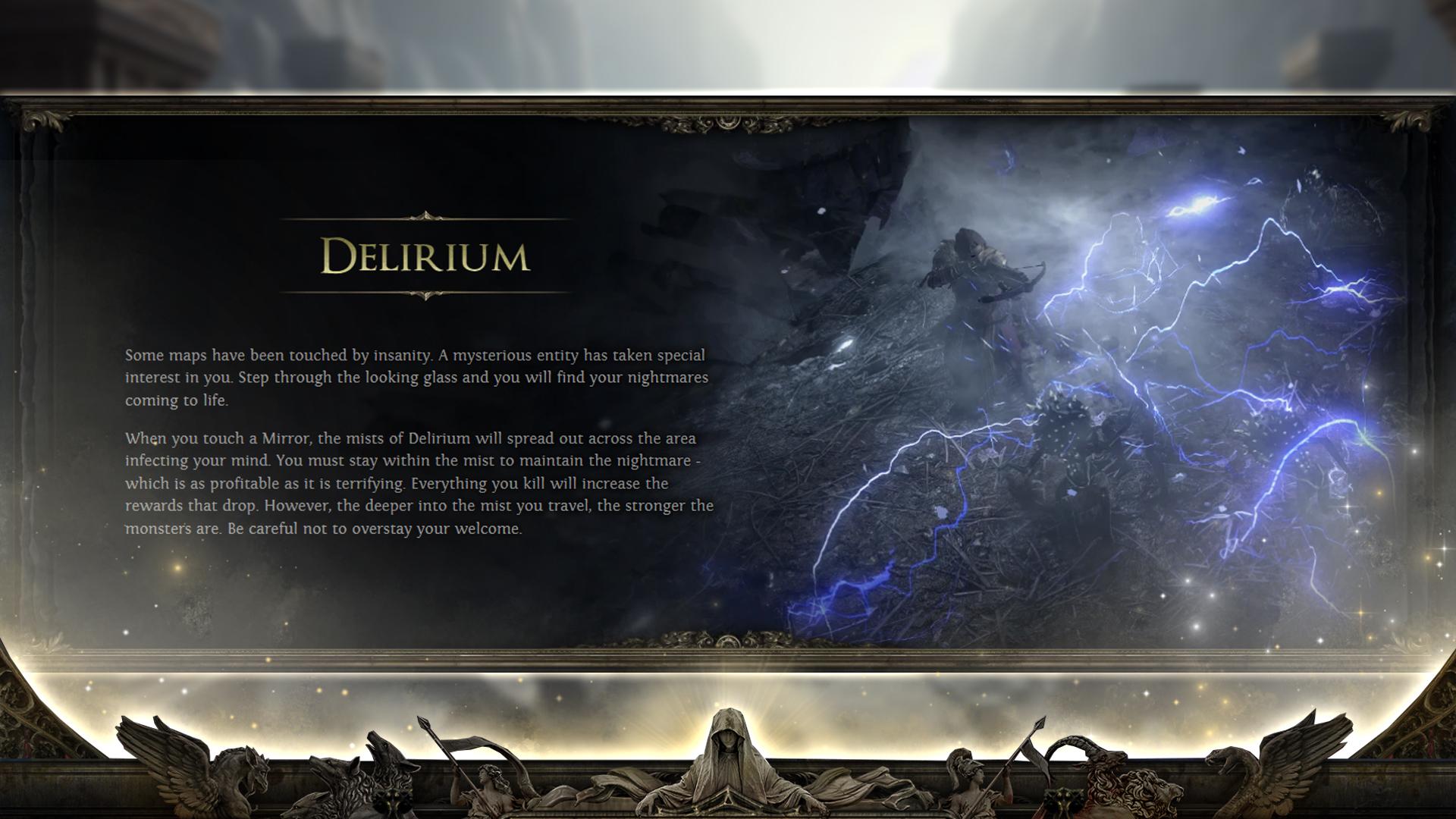
Delirium
Insanity crawls the Wraeclast, and some regions are already touched by it. Touch the Mirror to summon Mists of Delirium and fight in the nightmare to receive the best rewards. The more enemies you take down, the better the prize you’ll get.
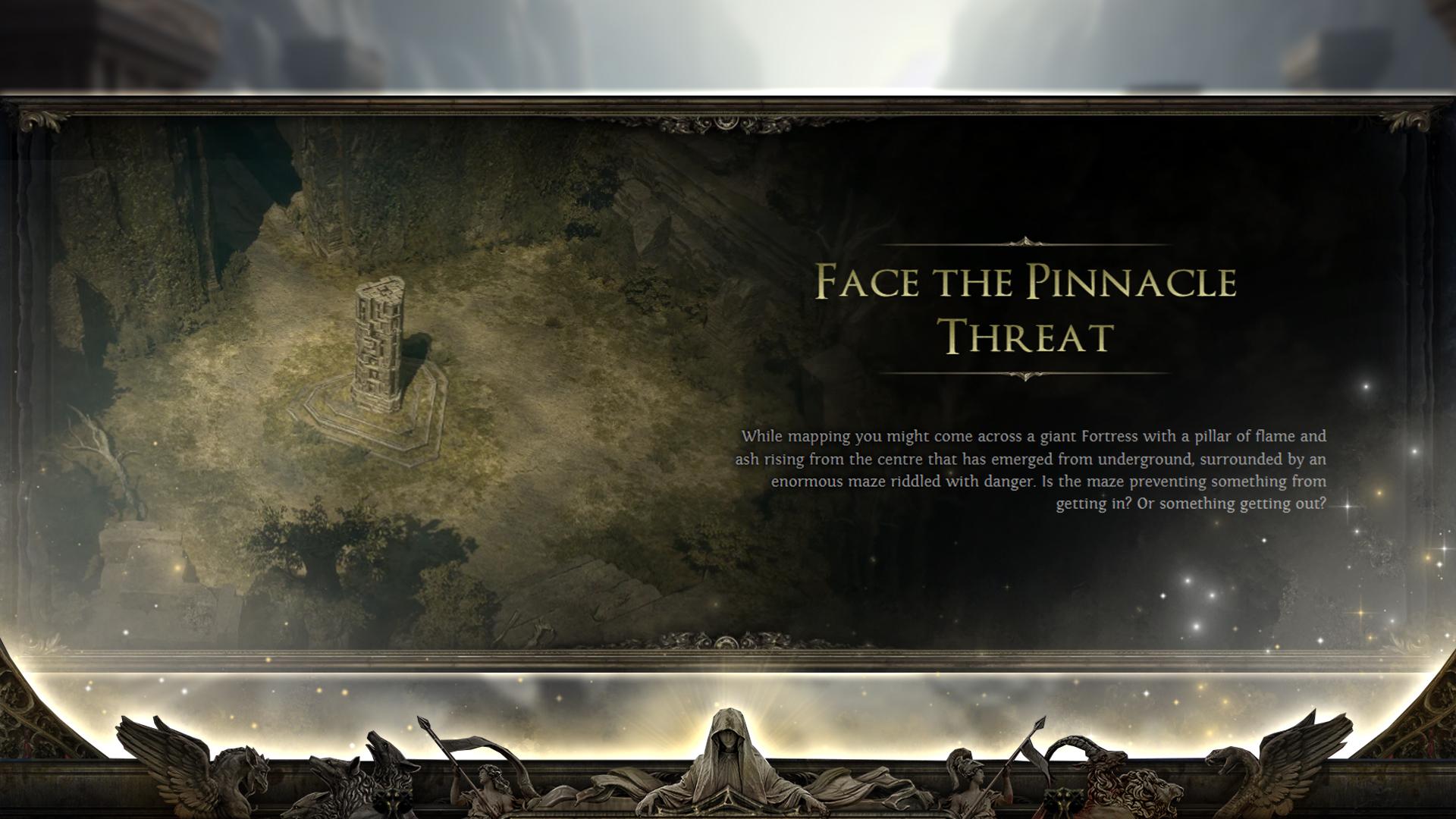
The Pinnacle Threat
You see a huge Fortress. There’s a pillar of flame nearby, and rising ash. There’s also a maze. This is the very place in Wraeclast where we’ll probably encounter the Pinnacle Threat. However, there’s no detailed information about it, so we are yet to see what comes next.
Map System
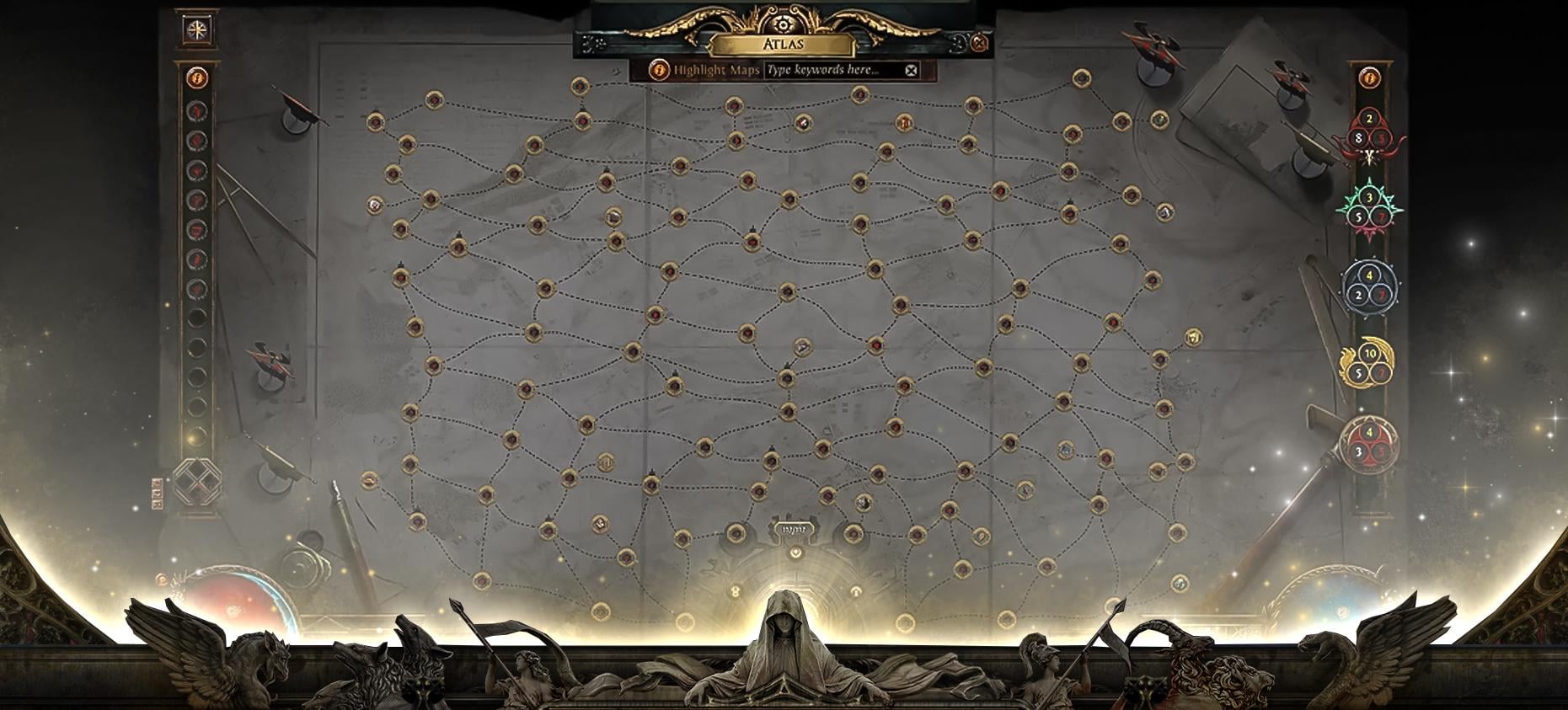
Path of Exile 2 Maps form the basis of the so-called Atlas of Worlds. It contains a huge array of interconnected areas. You will progress through the Atlas by running maps through the Map Device in their hideout. The Atlas is made up of 115 different maps, each one connected to others, creating a deep web of progression. We can assist you with Atlas Progression, as our team is highly professional. They can complete this task in the shortest time period.
There are divided Tiers of Maps. The higher the tier of the map, the more difficult it gets, and the rewards increase. They can appear as Normal, Magic, Rare, or Unique items; higher rarities give better rewards. You can change the properties of Maps with active currency items. This would change the properties of the map and thereby alter both risk and reward.
4.9In this Path of Exile 2 Overview, we have covered everything that you as a player might want to know. New character classes and their respective weapons, basic gameplay mechanics including currency, resources, defenses, and offenses — you now know them all. We went into the peculiar Gem mechanism that adds variety to this game, looked into the Endgame content, and discussed the challenging Map structure waiting for players once they finish the campaign. With the knowledge gained, you are ready to go forth into the dark world of PoE 2 and conquer the trials it presents. Stay tuned as we follow all the updates in this amazing journey of discovery!
