In our Elden Ring Nightreign Best Classes guide, you’ll find a full breakdown of the strongest Nightfarers in the game. We’ve grouped all available classes into a tier list to help you navigate the current meta more easily. You’ll also find detailed descriptions of each class, including their strengths and weaknesses, so you can pick the right Nightfarer for your playstyle in Elden Ring Nightreign
Elden Ring Nightreign Classes Ranked

If you’re diving into Elden Ring: Nightreign and wondering which class to pick first, you’re not alone. Nightreign throws nine unique Nightfarers at you, each with their own flair, skill ceiling, and team value. While FromSoftware games often encourage “play who you vibe with,” some classes are clearly ahead of the curve, especially in co-op or when you’re facing off against fast-moving Nightlords.
This Elden Ring Nightreign tier list ranks all Nightfarers based on performance, versatility, ease of use, and their synergy in team play. Here’s how each Nightfarer stacks up based on overall strength, utility, and meta viability:
| Tier | Classes |
|---|---|
| S | Ironeye, Duchess, Wylder |
| A | Executor, Raider, Recluse |
| B | Revenant, Guardian |
Elden Ring Nightreign S-Tier
These are the best-of-the-best classes in Elden Ring: Nightreign. Whether you’re playing solo or in co-op, Ironeye, Duchess, and Wylder stand out thanks to their flexibility, high-impact skills, and team utility. They’re easy to build around, hard to counter, and perform well in any expedition, especially when facing the game’s brutal Nightlords.
Elden Ring Nightreign Ironeye
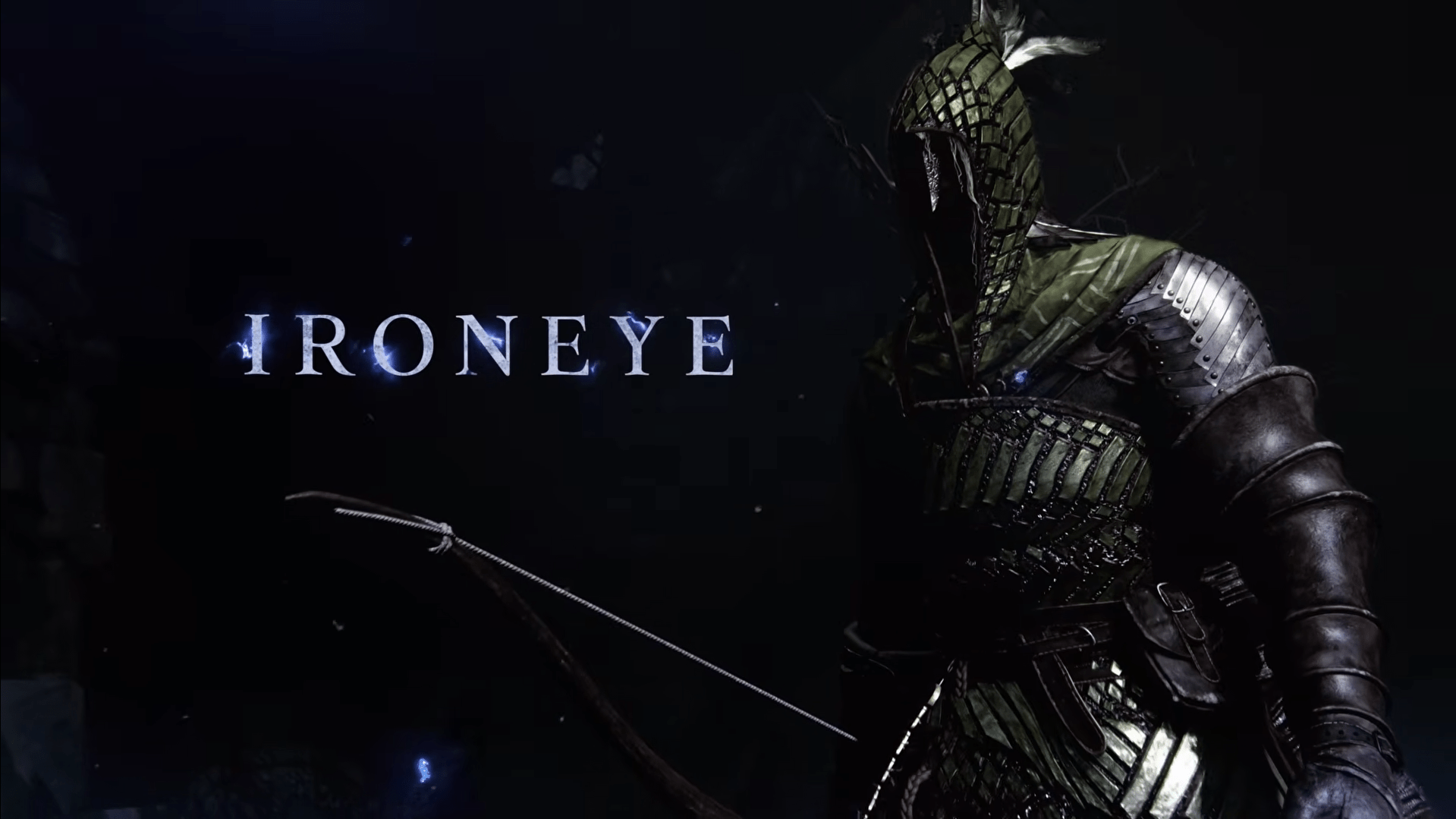
Ironeye is the ranged carry. Ironeye is hands down the best class in Nightreign. As the only true ranged DPS, he thrives in chaotic boss fights where melee classes constantly get zoned out. His Marking Dash ability tags enemies for bonus team damage and gives him iframes to dodge almost anything. Meanwhile, Single Shot delivers a massive burst, staggers bosses, and revives allies if timed right. Here are the Ironeye Pros and Cons:
| Pros | Cons |
|---|---|
| ✅ Long-range burst and crowd control | ⛔️ Weak in close combat |
| ✅ Best revive utility in the game | ⛔️ Low defense and poor melee scaling |
| ✅ Excellent boss stagger potential | ⛔️ Weak without proper positioning |
✏️ Tip: Use Marking Dash right before your ally’s ultimate to stack bonus damage on bosses.
Elden Ring Nightreign Duchess

Duchess – The Support Assassin. This hero brings everything you want from a support character, plus stealth, damage burst, and unmatched mobility. Her Restage art can replay high-damage attacks like ultimates or criticals, while Finale turns your whole team invisible, letting you revive, reset, or reposition without risk.
She’s squishy, sure, but her double dodge makes her the slipperiest class in the game. You’ll need to unlock her first, but once you do, she’s a must-have for coordinated teams. Here are the Duchess Pros and Cons:
| Pros | Cons |
|---|---|
| ✅ Can repeat the team’s best damage moments | ⛔️ Requires coordination to shine |
| ✅ Turns the entire party invisible with Finale | ⛔️ You need to unlock Duchess to use |
| ✅ Extremely mobile with double dodge | ⛔️ Fragile if caught out of position |
✏️ Tip: Time Restage after a crit or stagger to double-dip huge damage spikes — especially in co-op.
Elden Ring Nightreign Wylder

Wylder – The Jack-of-All-Trades. This hero in Elden Ring Nightreign is the most balanced and beginner-friendly Nightfarer. With decent stats across the board, a powerful grappling hook for gap-closing or repositioning, and a stagger-heavy ult, he fits into any comp. His strength and dexterity scaling let him wield most weapons, and his Onslaught Stake ultimate deals solid AoE damage with stagger. Great for learning the game — or just dominating in every situation. Here are the Wylder Pros and Cons:
| Pros | Cons |
|---|---|
| ✅ Versatile and adaptable build | ⛔️ No clear “best” stat |
| ✅ Grappling hook for mobility and setup | ⛔️ Can whiff abilities if mistimed |
| ✅ Good stagger and survivability | ⛔️ Requires gear synergy to scale |
✏️ Tip: You can use Claw Shot to revive teammates through obstacles by grappling onto their position.
Elden Ring Nightreign A-Tier
A-tier Nightfarers in Elden Ring: Nightreign are powerful and capable of carrying games, but they tend to be more situational or slightly harder to master. If you enjoy experimenting or have a solid team to support you, Executor, Raider, and Recluse can absolutely wreck Nightlords — they just require a bit more finesse.
Elden Ring Nightreign Executor
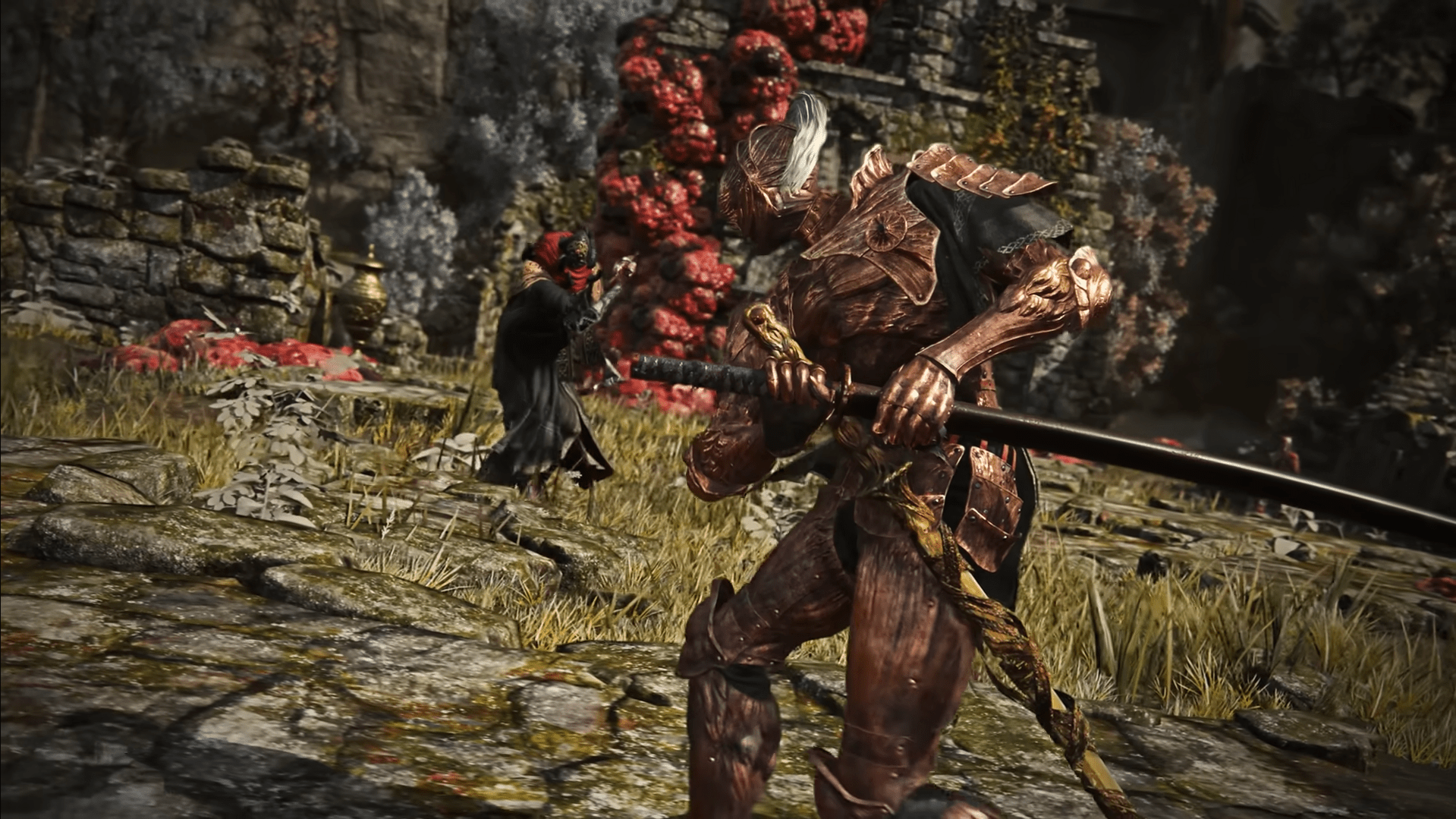
Executor – The Parry Bruiser. This Nightfarer is a flashy, high-risk melee specialist who channels Sekiro energy with his Cursed Sword skill. He can parry nearly any attack with a forgiving window, and his Beast Form ultimate turns him into a one-man boss-slaying machine. Add strong Arcane and Dexterity scaling, and he becomes a bleed monster.
The catch? His skill locks you into a slow walk, which is risky in Nightreign’s fast-paced fights. Great in duels, tricky in chaos. Here are the Executor Pros and Cons:
| Pros | Cons |
|---|---|
| ✅ Deadly parries with huge damage potential | ⛔️ Slow movement during parry stance |
| ✅ Beast Form can wipe out mobs or bosses | ⛔️ Weak if swarmed or out of position |
| ✅ Strong status effect scaling (Bleed, Poison) | ⛔️ Needs practice to time everything right |
✏️ Tip: Try baiting enemy attacks, then parry-cancel with Cursed Sword to chain into your ult — massive burst.
Elden Ring Nightreign Raider
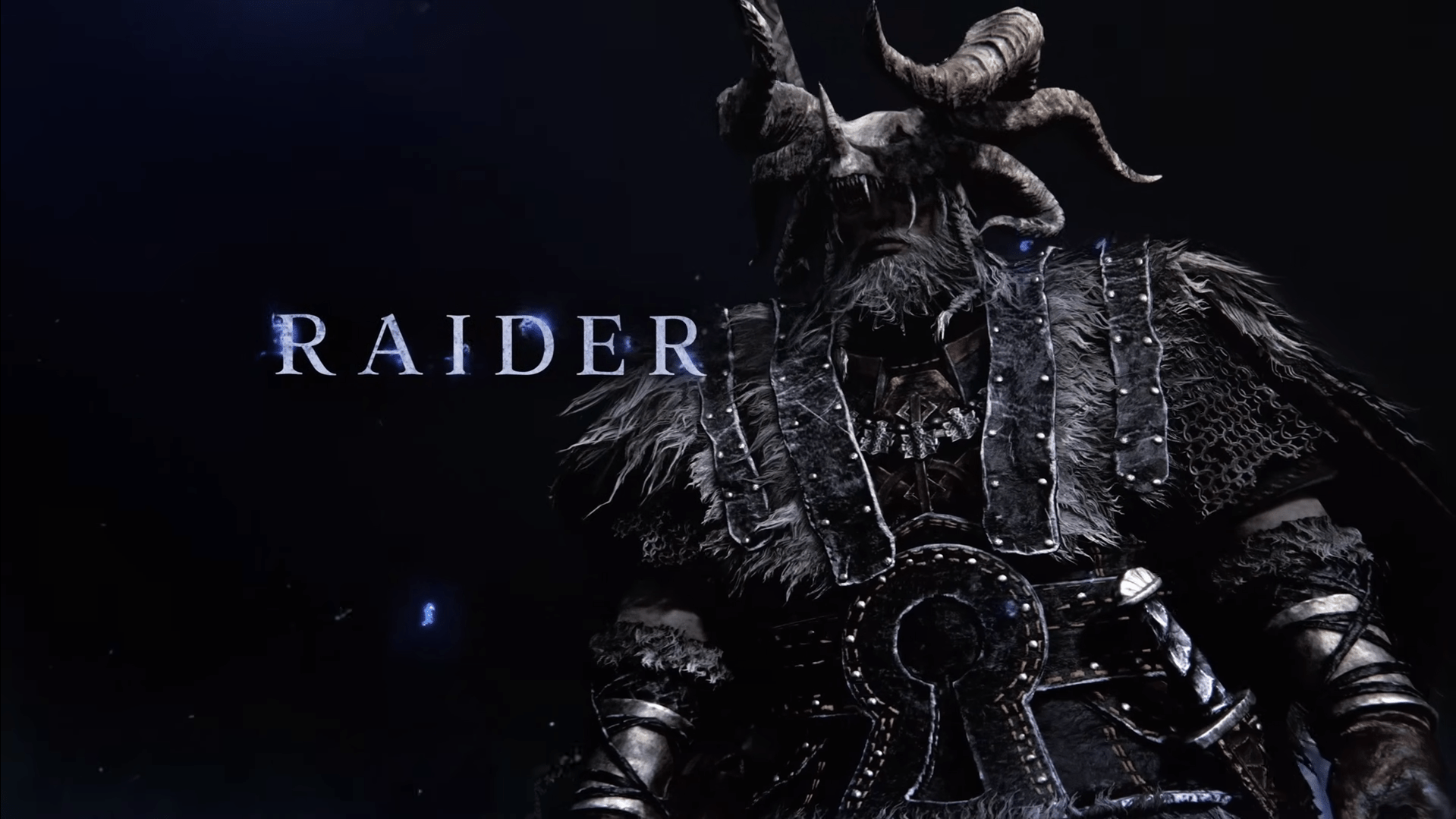
Raider – The Heavy-Hitting Frontliner. This hero is your classic strength-based wrecking ball. He can dual-wield heavy weapons, smash through boss poise, and survive big hits with Retaliate, which absorbs damage and returns it with a devastating uppercut. His Totem Stella gives nearby allies poise and stamina regen.
But Raider is slow, both in attack speed and mobility. Without stamina buffs or allies watching your back, he can be punished hard. Still, he shines in co-op, especially with a Duchess or Recluse for support. Here are the Raider Pros and Cons:
| Pros | Cons |
|---|---|
| ✅ Massive burst damage and poise breaks | ⛔️ Low stamina regeneration |
| ✅ Retaliate absorbs and counters the boss’s attacks | ⛔️ Slow movement and attack animations |
| ✅ Totem boosts team durability | ⛔️ Struggles against fast-moving bosses |
✏️ Tip: Use Totem Stella before a boss phase — the stamina regen boost helps the whole team keep up pressure.
Elden Ring Nightreign Recluse
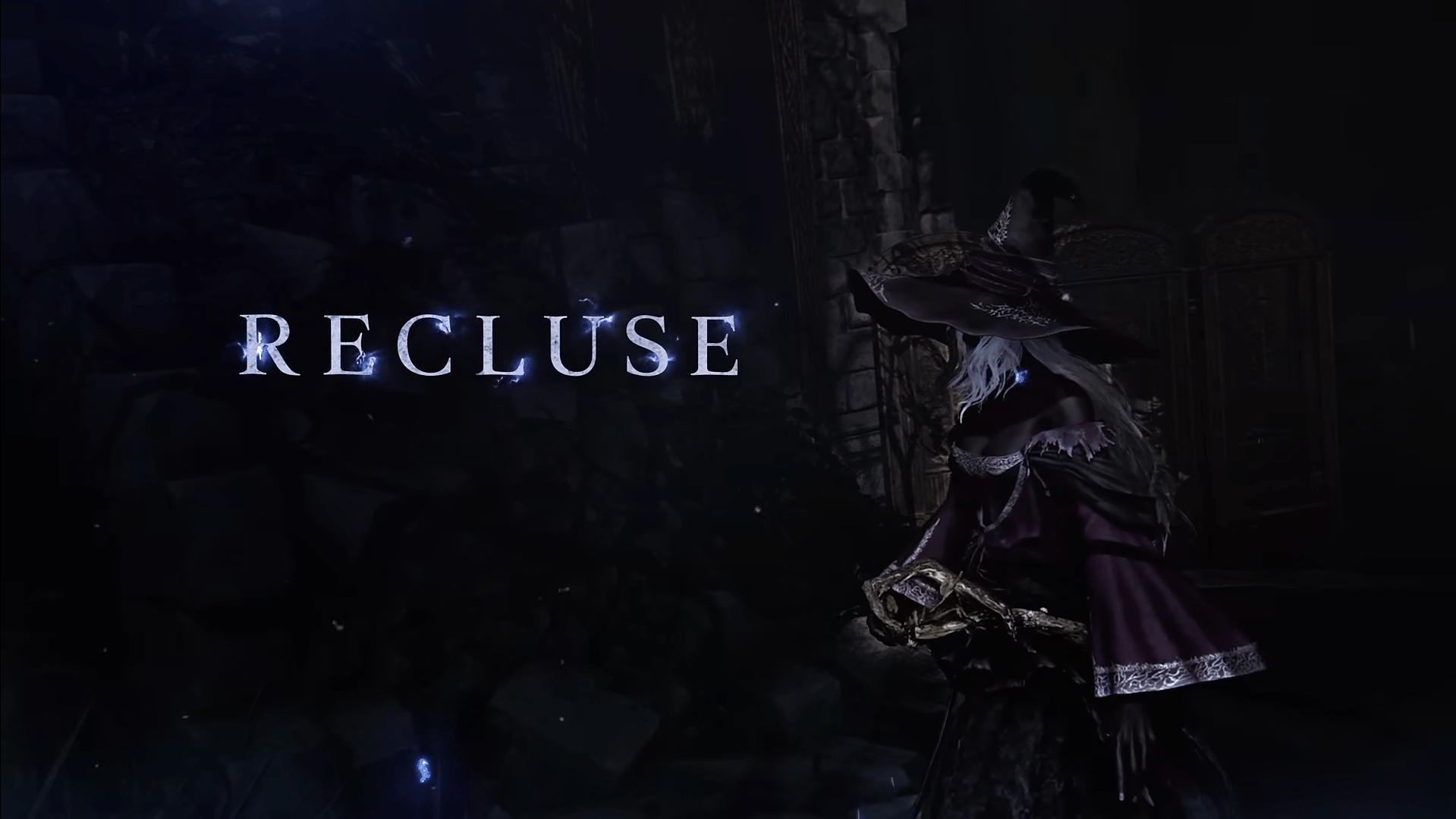
Recluse – The Elemental Caster. This hero is Nightreign’s primary mage and can be terrifying in the right setup. Her Magic Cocktail lets her combine affinities for devastating elemental effects, and her Soulblood Song ultimate heals and regenerates the team’s FP on hit.
However, she’s extremely dependent on good spell drops and team synergy. Without elemental diversity in the party or early relics, her damage falls off fast. That said, a well-supported Recluse can carry hard, just not for beginners. Here are the Recluse Pros and Cons:
| Pros | Cons |
|---|---|
| ✅ Powerful elemental combos with the right setup | ⛔️ Relies heavily on item RNG and team comp |
| ✅ Great utility with HP/FP sustain | ⛔️ Very low HP and physical stats |
| ✅ Scales well with magic relics | ⛔️ Weak early without proper affinities |
✏️ Tip: Stack Fire or Lightning affinities early with relics — they have the most reliable synergy with Magic Cocktail.
Elden Ring Nightreign B-Tier
These Tier B Nightfarers aren’t bad — far from it. But Guardian and Revenant both require more setup, more support, or very specific gear to shine. They can absolutely succeed, especially in coordinated teams, but they’re not the best pick for your first Nightreign expedition.
Elden Ring Nightreign Guardian
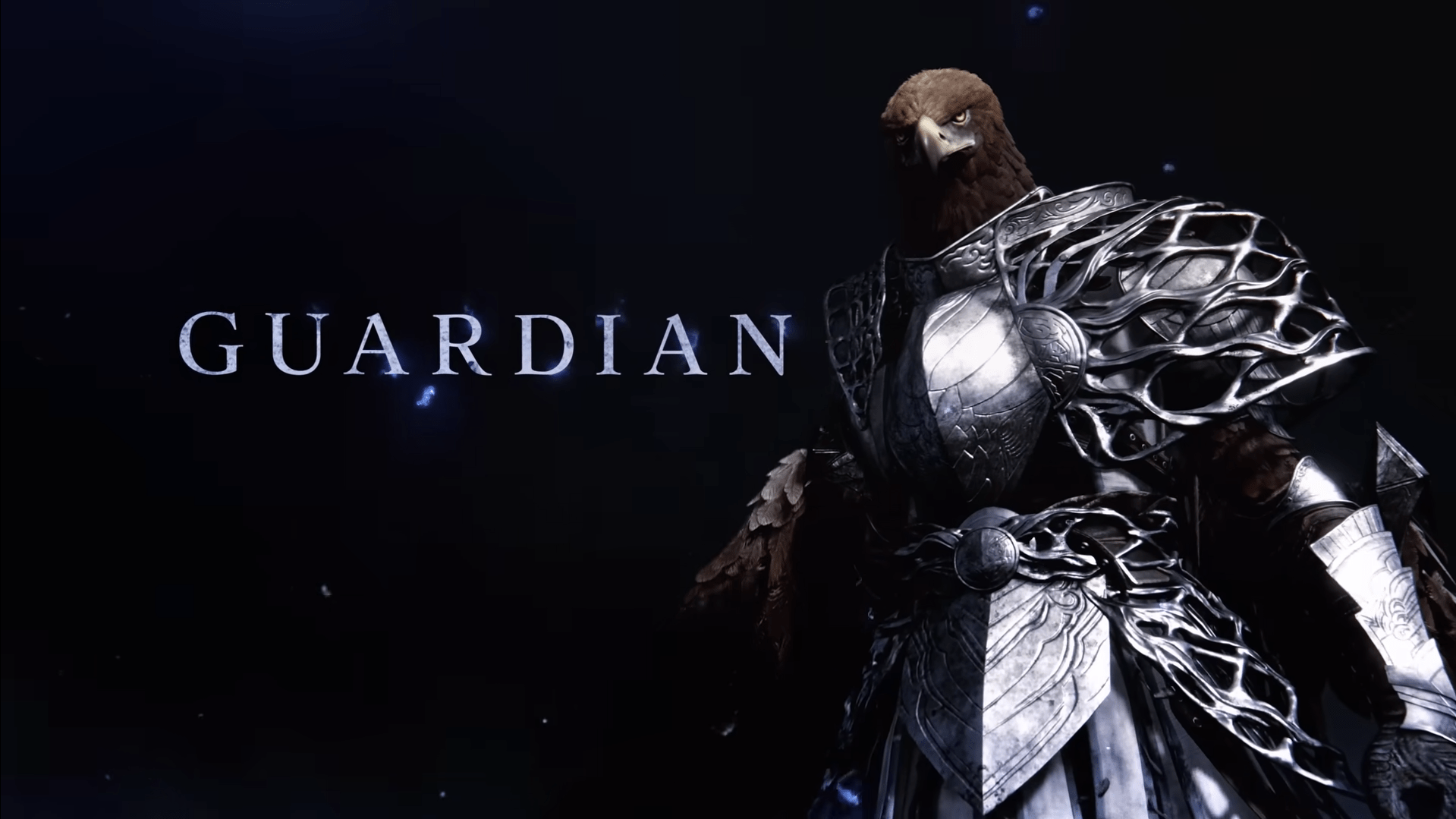
Guardian – The Tank with a Problem. Guardian in Elden Ring Nightreign is a giant hawk-man with a shield and halberd, made to soak up hits and keep the team alive. His Steel Guard stance reduces incoming damage, and his Wings of Salvation ultimate revives allies while giving them a temporary shield.
Sadly, in Nightreign’s high-speed, high-damage world, being a tank just isn’t enough. Everyone can block, his stamina drains too fast, and he feels sluggish in solo play. Guardian’s style fits traditional MMOs more than a fast-paced Soulslike. Here are the Guardian Pros and Cons:
| Pros | Cons |
|---|---|
| ✅ Great at absorbing damage for the team | ⛔️ Stamina drain from blocking is too high |
| ✅ Can revive and shield allies with ult | ⛔️ Low mobility and weak offense |
| ✅ High base HP and defense | ⛔️ Outclassed by Raider in most tank roles |
✏️ Tip: Pop Wings of Salvation mid-fight if multiple allies go down — the invuln frame can save a doomed run.
Elden Ring Nightreign Revenant
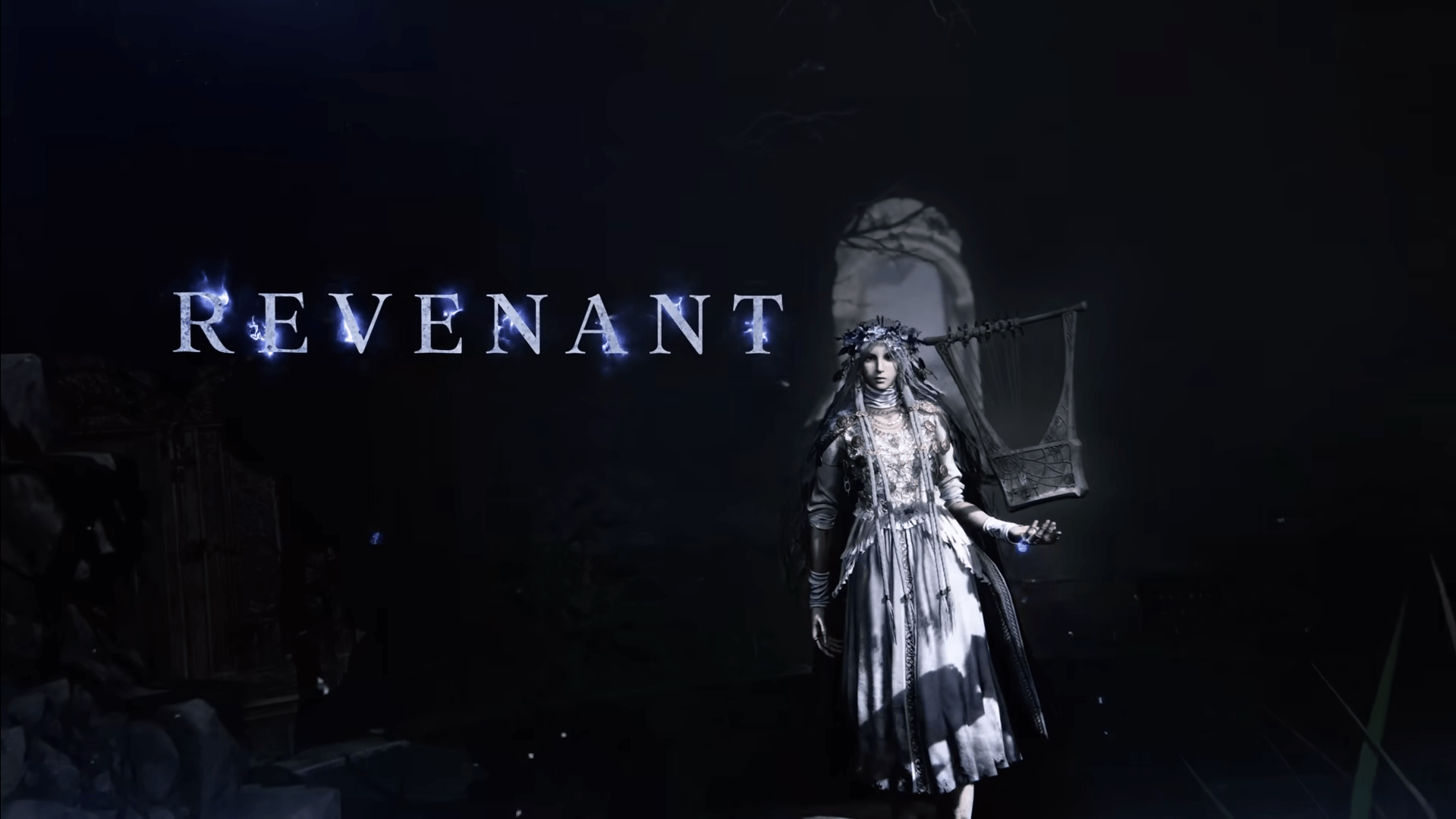
Revenant – The Risky Summoner. Revenant is a support-caster hybrid that can summon spirits like Sebastian the Giant Skeleton to draw aggro or revive teammates. Her Immortal March ultimate revives allies and gives temporary immortality, which can save entire runs. She even has healing spells — rare in Nightreign.
Her biggest weakness is reliability. She needs to land final blows to raise minions, her health is paper-thin, and she’s useless in boss fights without adds. She’s also extremely gear-dependent and weak if left alone. Here are the Revenant Pros and Cons:
| Pros | Cons |
|---|---|
| ✅ Can revive and support allies from a range | ⛔️ Fragile and weak in 1v1 boss fights |
| ✅ Immortal March ultimate is clutch | ⛔️ Needs kills to summon minions |
| ✅ Brings unique utility to the team | ⛔️ High skill ceiling and situational kit |
✏️ Tip: Always finish off weakened mobs — her Family summons only trigger on killing blows.
In our Elden Ring Nightreign Best Classes ranking, you’ve learned all about the top classes in the game. We covered the strengths and weaknesses of every Nightfarer, so now you’ll be ready to take on raids — whether you’re playing solo or with friends. Good luck on your next adventure!
