Season 15 adds a new open-world system based on the Diablo 4 Challenge Dungeons. Blizzard used those encounters to test the underlying system, while the final Season of Hell’s Legacy introduces Diablo IV Waking Nightmares. In this Diablo 4 Challenge Dungeons guide, you will learn what changed, how Waking Nightmares work, their types, difficulty, rewards, and more.
Diablo 4 Challenge Dungeons Key Takeaways:
- Challenge Dungeons were PTR encounters created to test the system behind the final Season 15 activity — Waking Nightmares.
- There are three Waking Nightmare types: large Capstone dungeons, standard-length dungeons, and short open-world encounters.
- Large Waking Nightmares first appear during the Season 15 questline and become replayable on Torment difficulties.
- Capstone Waking Nightmares use fixed difficulty instead of the old PTR +1/+2/+3 Torment selection.
- Pinnacle versions become available at Torment 10+ and provide greater challenge with better loot.
- The largest Waking Nightmares also let you acquire another Splinter of Evil and change your Prime Evil path.
 4.9
4.9How Diablo 4 Challenge Dungeons Changed
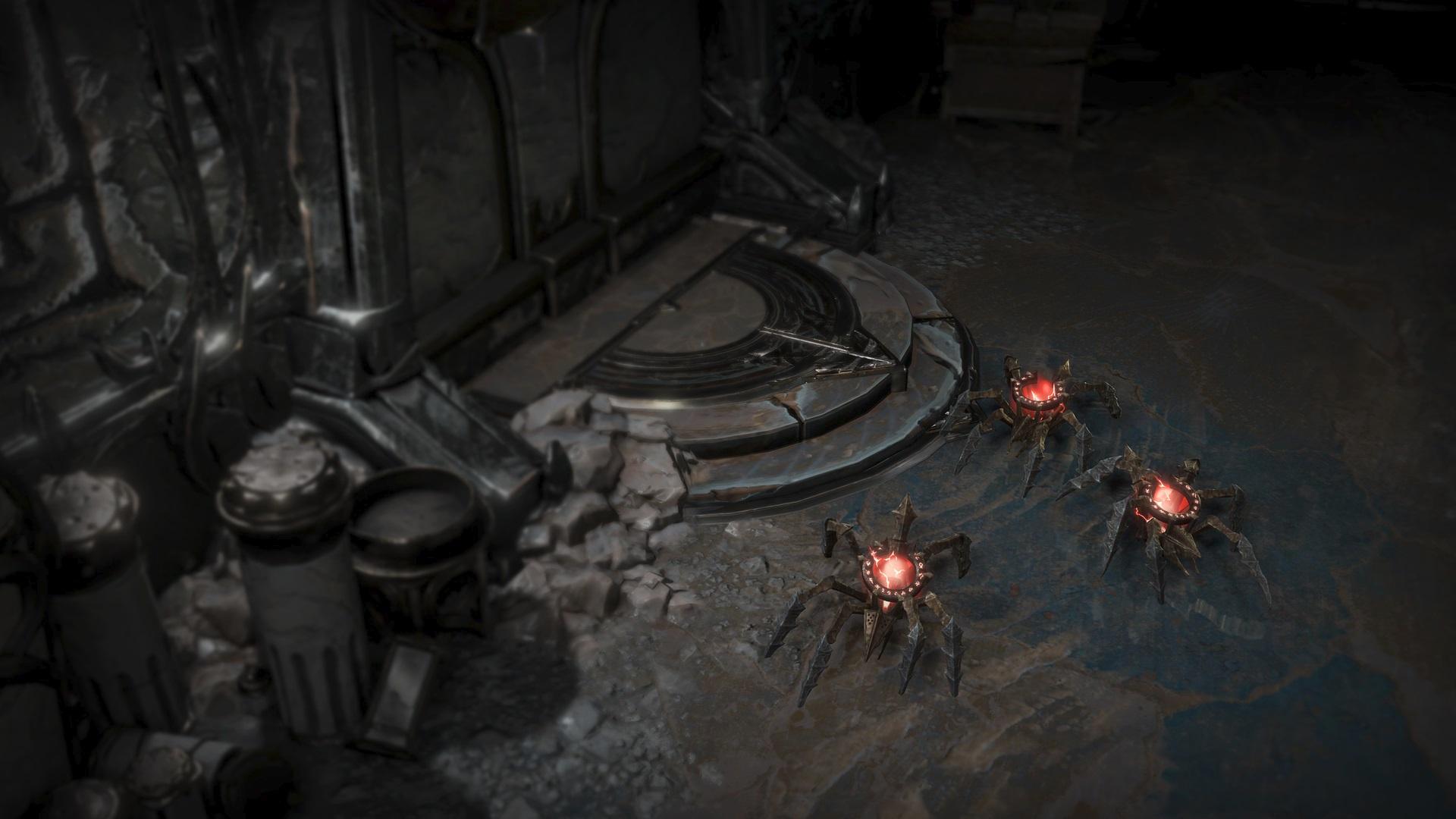
Diablo 4 Challenge Dungeons first appeared during the Patch 3.2.0 PTR as special portal encounters, but in the released game version, they were replaced with Waking Nightmares. Players could find portals in the Overland, enter a boss arena, and increase its difficulty. On Torment, the PTR version allowed players to raise the encounter to three tiers above their current difficulty.
📌 Blizzard made one important point before testing began. These encounters existed specifically to test the underlying Challenge Dungeon system.
The developer also confirmed that final Season 15 content would differ from the PTR encounters. Waking Nightmares in Season of Hell’s Legacy now act as the additional PvE activity for all kinds of players. To handle the harder Waking Nightmares, you still need a prepared character. Our Power Leveling can help if you want to reach Season 15 endgame content faster.
Diablo 4 Waking Nightmares
Diablo IV Waking Nightmares are Season 15 encounters based on memorable events, bosses, monsters, and locations from Diablo history. Waking Nightmares come in three sizes. Each type works differently, so the activity is broader than the Challenge Dungeons shown during PTR.
| Waking Nightmare Type | Format | How It Works |
|---|---|---|
| Large Waking Nightmares | Multi-level Capstone dungeon | Recreates major battles involving the Prime Evils |
| Standard Waking Nightmares | Normal dungeon length | Uses fixed world locations and recreates classic Diablo areas |
| Open-World Waking Nightmares | Short one-room encounter | Appears suddenly while exploring the open world |
The large version is the closest replacement for the old Challenge Dungeon idea. It focuses on a harder instanced challenge with meaningful rewards. The smaller versions make Waking Nightmares part of regular exploration too. One moment you are farming normally, then a nightmare opens nearby.
Diablo 4 Waking Nightmare Types
There are three Diablo IV Waking Nightmare Types that fit into different parts of the Season 15 gameplay loop:
- Large Waking Nightmares;
- Standard Waking Nightmares;
- Open-World Waking Nightmares.
Large versions serve as major progression encounters, while smaller ones provide quicker activities.
Large Waking Nightmares
Diablo 4 Large Waking Nightmares are multi-level Capstone-type dungeons based on historic battles with the Prime Evils. You first encounter them during the Season of Hell’s Legacy questline. The quest sends you through memories connected to Diablo, Baal, and Mephisto.
✏️ After finishing the seasonal storyline, these Waking Nightmares become replayable on Torment difficulties. They also contain an important seasonal progression function.
The largest Waking Nightmares can provide another Splinter of Evil when you want to change your Prime Evil path. This lets you switch to another reputation track and its associated rewards.
Standard Waking Nightmares
Standard Waking Nightmares in Diablo 4 are closer to regular dungeons in length. They recreate familiar locations and moments from older Diablo games. The Den of Evil from Diablo II is one of the examples. These dungeons have fixed locations across Sanctuary.
📌 Standard Waking Nightmares are more predictable than the old PTR Challenge Dungeon portals. You can return to known locations instead of waiting for a random portal.
Open-World Waking Nightmares
The smallest Diablo 4 Open-World Waking Nightmares can appear suddenly while you explore Sanctuary. These lead into short, one-room fights rather than full dungeons.
Possible encounters include returning bosses such as Queen Araneae. Other versions can throw waves of classic enemies at you instead. These are the most casual Waking Nightmares to run during normal farming. You can finish one without committing to a full dungeon route.
How to Access Diablo 4 Waking Nightmares
How you access a Waking Nightmare depends on which of the three versions you want to complete. There is no single access method shared by every type.
- Large Waking Nightmares — encounter them first while progressing through the Season 15 seasonal questline.
- Replayable Large Waking Nightmares — return after the questline and run them again on Torment difficulty.
- Standard Waking Nightmares — visit their fixed dungeon locations across Sanctuary.
- Open-World Waking Nightmares — watch for them while exploring the open world.
You no longer follow the old Challenge Dungeon loop of finding a random portal and selecting up to +3 Torment tiers. For progression, prioritize the seasonal questline first. It introduces the largest Waking Nightmares and the Prime Evil Splinter system.
Diablo 4 Waking Nightmare Difficulty
Final Season 15 Waking Nightmare difficulty works differently from the Challenge Dungeon system tested on PTR. Large Waking Nightmares are Capstone-style encounters with fixed difficulty levels.
| Waking Nightmare | Difficulty Rules | Purpose |
|---|---|---|
| Seasonal Quest Version | Set by the seasonal progression | Introduces Prime Evil encounters |
| Torment Replay | Fixed Capstone difficulty | Repeatable seasonal content and rewards |
| Pinnacle Capstone | Available at Torment 10+ | Greater risk and better loot |
Large Waking Nightmares become replayable once you reach Torment content. Later on, much harder versions appear as pinnacle Capstones at Torment 10 and above.
📌 You cannot use the old Challenge Dungeon +3 setting to manually push a Waking Nightmare above your current Torment difficulty.
If gearing up for higher Torment content sounds better than another long grind, our Diablo 4 Gold service can help fund your Season 15 setup.
Diablo 4 Waking Nightmare Rewards
Waking Nightmare rewards in Diablo 4 depend on the version of the activity and your current progression. Blizzard specifically highlights better loot from the hardest pinnacle Capstone versions. The main Diablo IV Waking Nightmares rewards include:
- Loot from completing repeatable Waking Nightmare encounters.
- Better loot from pinnacle Capstones available at Torment 10+.
- Another Splinter of Evil from the largest Waking Nightmares when changing your Prime Evil alignment.
- Progress through Season of Hell’s Legacy activities and related systems.
Some War Plans options can also interact with seasonal rewards. For example, the final patch notes reference additional reward chests from Waking Spoils for players with the associated War Plans node.
Diablo 4 Waking Nightmares Tips
Waking Nightmares vary heavily in length and difficulty, so your approach should match the encounter type. A short open-world run needs different preparation from a pinnacle Capstone.
- Finish the seasonal questline first. It introduces the large Waking Nightmares and unlocks their wider seasonal role.
- Do not expect adjustable +3 difficulty. Large Waking Nightmares use fixed Capstone difficulty in the final season.
- Use open-world encounters for quick runs. They are short and fit naturally into normal Sanctuary farming.
- Learn fixed dungeon locations. Standard Waking Nightmares do not rely on random Overland Challenge Dungeon spawns.
- Prepare carefully for Torment 10+. Pinnacle Waking Nightmares offer better loot, but their risk rises sharply.
- Return to large Waking Nightmares when changing alignment. They provide another Splinter needed to switch Prime Evil paths.
For the largest Waking Nightmares, raw boss damage is only part of the check. You also need enough defense for a longer multi-level Capstone run. If you’re unsure whether your setup is ready, our professional players can run a full Build Check and point out weak spots.
Diablo 4 Challenge Dungeons FAQ
Here are quick answers about Challenge Dungeons, Waking Nightmares, and how the Season 15 system changed.
Are Challenge Dungeons Still in Diablo 4 Season 15?
The Challenge Dungeon encounters shown during PTR were not the final Season 15 content. The live seasonal activity is presented as Waking Nightmares.
Were Challenge Dungeons Renamed to Waking Nightmares?
Not exactly. Blizzard described Challenge Dungeons as PTR encounters built to test the underlying system before final Season 15 content arrived.
Waking Nightmares are the final Season 15 encounters built around that broader activity concept.
How Do You Access Waking Nightmares in Diablo 4?
Large Waking Nightmares first appear during the seasonal questline. Standard versions have fixed world locations, while smaller encounters appear in the open world.
How Many Types of Waking Nightmares Are There?
There are three types: large multi-level Capstones, standard-length dungeons, and short one-room open-world encounters.
Can You Increase a Waking Nightmare’s Difficulty by Three Tiers?
No. The +1/+2/+3 difficulty system belonged to the PTR Challenge Dungeons. Large final Waking Nightmares use fixed Capstone difficulty.
When Do Pinnacle Waking Nightmares Unlock?
Pinnacle Capstone versions become available at Torment 10 and above. They offer greater risk and better loot than lower-difficulty versions.
Do Waking Nightmares Drop Soul Splinters?
Blizzard does not describe Waking Nightmares as a guaranteed or dedicated Soul Splinter source. Soul Splinters are a separate Season 15 system.
How Do You Change Your Prime Evil Splinter?
Return to the largest Waking Nightmares and acquire another Splinter of Evil. You can then switch to another Prime Evil reputation path.
4.9Diablo 4 Challenge Dungeons were an early PTR version of a system that changed substantially before Season 15. Waking Nightmares now cover everything from quick open-world fights to large Prime Evil Capstone dungeons. The final system drops the old +3 difficulty loop and ties the biggest encounters directly into Season of Hell’s Legacy progression.
