In Arc Raiders, plants are one of the most important natural resources you can find across the game’s maps. In the Arc Raiders Plants guide, you’ll learn about all Arc Raiders plants, their locations, and how to use them for crafting, healing, and upgrading your companion Scrappy. We’ll also cover the effects of the Lush Blooms event, the best farming routes for each region, and tips to collect rare herbs safely during your raids.
Arc Raiders Plants Key Takeaways:
- Plants are essential. Every Arc Raiders plant has a purpose — from healing and stamina boosts to crafting and Scrappy upgrades.
- Best maps for farming. Gather fruits in Blue Gate, desert plants in Buried City, and rare healing herbs in Dam Battlegrounds.
- Watch for events. The Lush Blooms event boosts plant spawns and adds Wicker Baskets packed with random healing and crafting items.
- Plan efficient routes. Use fast farming loops like Olive Grove and Hydroponic Dome to collect safely and extract quickly.
- Save rare materials. Keep items like Moss and Great Mullein for crafting Defibrillators or high-tier bandages — they’re too valuable to sell.
 4.9
4.9Plants in Arc Raiders
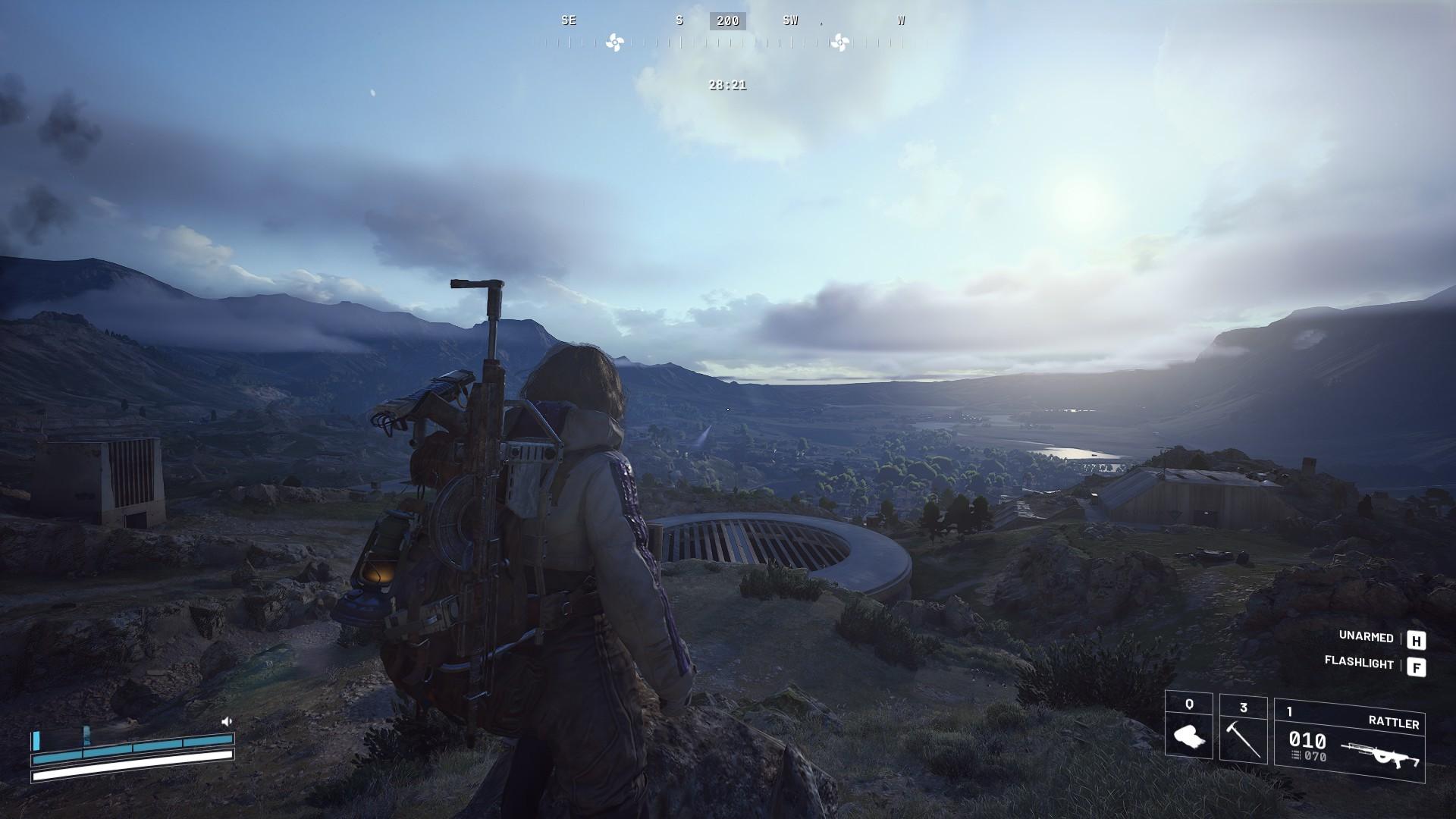
Arc Raiders plants provide the basis for survival, crafting, and progression. These are not just flora; they’ll be your lifeline in the wild-from the simple stamina fruit to the rare herbs used in advanced medicine, every plant in Arc Raiders has a purpose.
Vegetation will vary with different maps: from fruit trees, like lemons and apricots, which grow in the green valleys of Blue Gate, to mushrooms and Great Mullein, which are valued for their healing properties and can be found on Dam Battlegrounds. On the other hand, tough species like prickly pears, olives, and agave represent the vegetation of dry Buried City and Spaceport regions; all these plants are Arc Raiders’ essential crafting materials.
Crafting from gathered plants can give you medical supplies, food for stamina, and even some Scrappy upgrades; it forms a big part of any successful run. Whether you’re playing solo or as part of a squad, knowing where to find and how to use each plant can be a huge advantage during raids and Expeditions.
In this Arc Raiders Plants guide, we’ll break down every Arc Raiders plant location, list what each one is used for, and share farming tips to help you gather resources safely and efficiently. But you can save your time, skip the grind, and start every raid fully stocked with healing herbs, stamina fruits, and upgrade resources. Let our Pro Players farm all Arc Raiders plants and crafting materials for you.
Arc Raiders Plants Events
The main Arc Raiders plants event that affects resource gathering is Lush Blooms — a limited-time world modifier that increases all nature loot across the maps. Players could find more fruits, herbs, and crafting plants than usual, both in the open world and inside special containers, during such an event.
When Lush Blooms is active, you’ll notice new Wicker Baskets scattered around camps, residential zones, and nature areas. These baskets can contain any kind of Arc Raiders plant, be it common roots and resin or rare mushrooms or Great Mullein. The loot pool changes slightly every raid, but the baskets always give several items of nature, which will make this event the best time to stock up.
The Arc Raiders Lush Blooms event also slightly increases random plant spawns in the wild. Fruit trees yield more lemons and apricots, while cacti and moss spots respawn faster. This makes it perfect for players farming Scrappy upgrade materials or healing plants for crafting.
If you see the Lush Blooms notice on your map selection screen, take advantage of it. Plan a few quick raids through Blue Gate, Dam Battlegrounds, or Buried City, hit every basket and nature zone you can, and extract safely. You’ll leave with a full stash of rare Arc Raiders crafting materials for future use.
Arc Raiders Plants Locations

Not every region in Arc Raiders is teeming with greenery; some areas are packed with forests and fruit trees, while others hide only a few rare herbs. Understanding the best Arc Raiders plant locations helps you gather resources faster and avoid unnecessary raids.
Generally speaking, the richer the environment, the better the loot. Blue Gate and Dam Battlegrounds are full of Arc Raiders healing plants, and crafting herbs, while Buried City and Spaceport contain rarer, desert-type vegetation like prickly pears, olives, and agave. Each region has its own unique ecosystem and plant spawns, so focusing on the right map will save a lot of time. Here we have a full list of plant locations in Arc Raiders:
- Buried City — dry urban outskirts and southern desert zones; home to Prickly Pears, Agave, and Apricots.
- Blue Gate — green valleys and orchards with Lemons, Olives, and Resin, perfect for early-game crafting.
- Dam Battlegrounds — swampy forest areas and Hydroponic Dome with Mushrooms, Great Mullein, Moss, and Torch Ginger.
- Spaceport — sparse vegetation and rocky terrain with Agave and scattered healing herbs.
Each of the maps supports different Arc Raiders plants and crafting materials, and some are better for solo farming while others reward group exploration. Next, let’s look in more detail at each region and some of the particular plants you might find there.
Collecting Arc Raiders plants is much easier when you’re well-equipped. Get your Arc Raiders Starter Bundle to enter raids fully prepared — with solid gear, extra storage, and all you need for safe farming runs and successful extractions.
Arc Raiders Plants Locations for Trials
When you want fast Arc Raiders Plants Locations for Trials, start with places that give steady herb spawns instead of random fruit. The Arc Raiders’ best routes are the ones where several useful plants sit close together. That matters a lot when you need to stack points fast and finish the Trial in one clean run.
- Dam Battlegrounds is still one of the strongest options. The Hydroponic Dome Complex and the nearby swamp can spawn Moss, Mushrooms, and Great Mullein, so the route stays very consistent. During a good run, this area lets you keep moving without wasting time on empty ground.
- Blue Gate is another great pick, especially the forest near the Raider’s Hideout. This area has enough plant density to turn into a huge scoring route when the spawns line up well. In the best case, you can farm more than 30,000 points here, which makes Blue Gate one of the most rewarding maps for this Trial.
- Buried City also has a very solid plant route in the Gallery. Each floor can spawn Great Mullein, so you are not relying on one small corner of the map. When the Gallery rolls favorable spawns, this route can also give over 30,000 points, which is huge for fast Trial progress.
If the goal is pure efficiency, Blue Gate and Buried City Gallery are the standout choices. Dam Battlegrounds feels more stable, while the other two can spike much higher when the map cooperates. So if you want the fastest Trials grind, these are the spots worth checking first.
Arc Raiders Buried City Plants
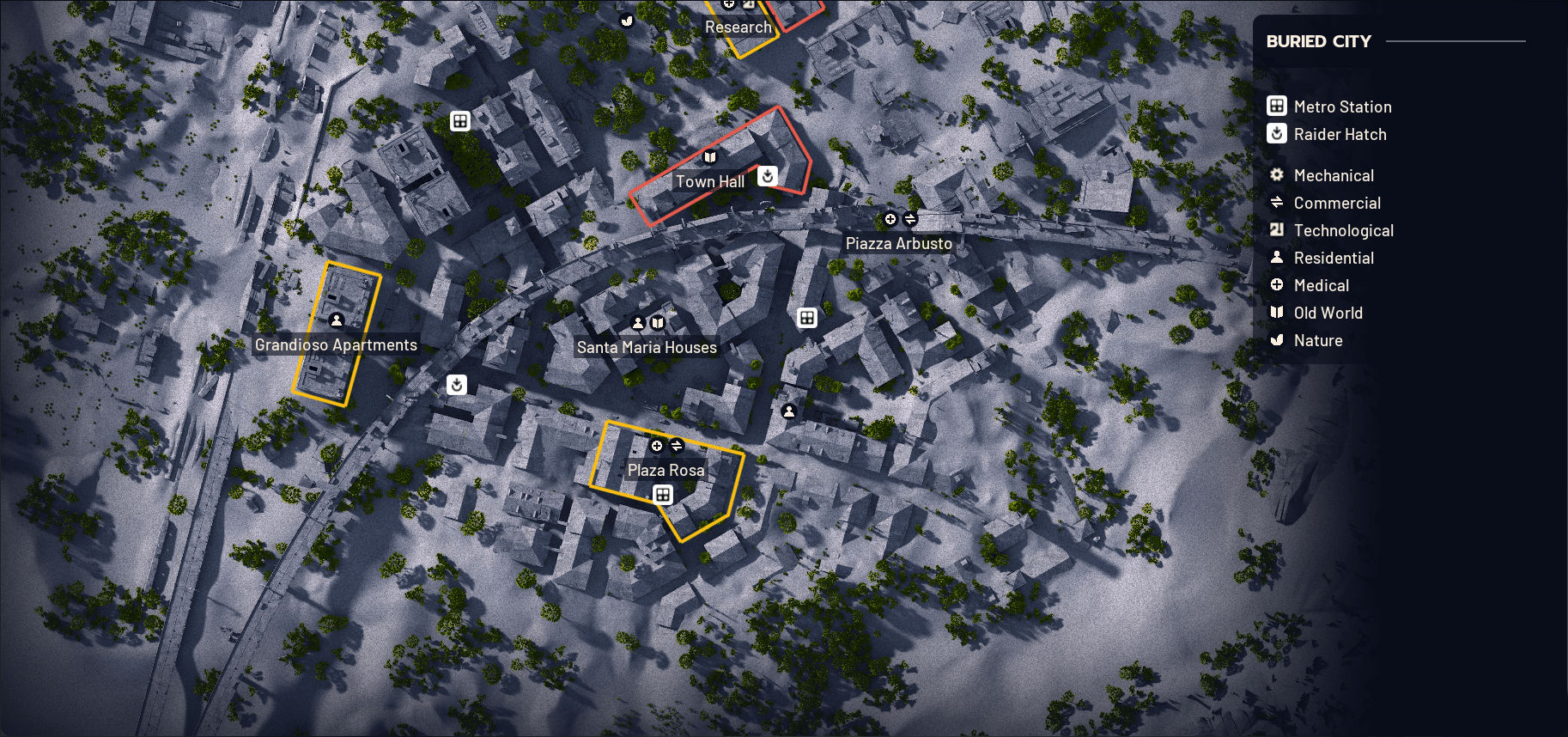
The Buried City is one of the driest and most dangerous regions in Arc Raiders, but it’s also home to several unique desert plants used for stamina and crafting upgrades. Instead of lush forests, you’ll find scattered fruit trees and cactus fields growing between the ruins and sand-covered streets. Knowing where to look can make all the difference in how much you collect per run.
Most of the plants of the Buried City grow in the southern desert zone, out of the main urban center. These include Prickly Pears, Agave, and a few Apricot trees near old residential gardens. Agave plants appear near rocky terrain and dry ground, useful for crafting Herbal Bandages and Agave Juice.
A few small fruit trees remain in the city parks: Apricots and Lemons, for the most part, are found either near the Library or Town Hall Gardens. These are decent places to check if you prefer being near cover to venturing into the open desert. You may also happen upon random Wicker Baskets during the Lush Blooms event; these will crop up particularly in residential zones such as the Santa Maria Houses and might contain extra fruits or herbs.
Arc Raiders Blue Gate Plants

The Blue Gate region represents Arc Raiders’ green heart, full of orchards, fields, and wild groves. This is the best zone for gathering plants and fruits in the early game. Comparing it with Buried City’s barren deserts, this is a map brimming with life, filled with plenty of Arc Raiders Blue Gate plants used for stamina recovery and early crafting.
Most of the vegetation around here is concentrated along Olive Grove, river valleys, and forest edges near old settlements. Lemon trees, Apricot trees, and Olive bushes are scattered around the area.
The Olive Grove itself is the prime farming spot — a cluster of fruit trees where you can kick trunks to shake down lemons, apricots, or olives. In addition, some Resin is hidden away in farmlands outside the Blue Gate, as well as small residential gardens; this healing item regenerates health over time and is used in early Arc Raiders crafting materials.
When the Lush Blooms event starts, Blue Gate becomes a gatherer’s paradise. Next to farmhouses, along roads, and around camps, one will notice Wicker Baskets emerging with extra fruit and herbs in each one. It’s the easiest time to stock up on Arc Raiders healing plants and crafting resources without heavy combat.
Get resources even from failed runs. Our pro players will farm all the Arc Raiders plants and materials you need to fully upgrade your Scrappy. Improve your passive income, unlock new bonuses, and make every raid.
Arc Raiders Dam Plants

The Dam Battlegrounds map is one of the richest areas for gathering healing plants and crafting materials in Arc Raiders. Its mix of swampy forests, wet tunnels, and abandoned facilities creates perfect conditions for rare herbs and fungi. Most of the Arc Raiders Dam plants you’ll find here are used in medical crafting, advanced bandages, and Defibrillator recipes — making this region essential for late-game players.
The most important area to farm plants is the Hydroponic Dome Complex: a huge, overgrown structure out in the swamp. Mushrooms, Great Mullein, Torch Ginger, and Moss can be found inside and around the Dome. Mushrooms and moss are two of the best Arc Raiders healing plants — mushrooms heal instantly, while moss is used to craft Defibrillators. Great Mullein and Torch Ginger are two medicinal herbs you use to make Herbal Bandages, Antiseptics, and a few other mid-tier crafting items.
Another good area to explore is Red Lakes, located under the Testing Annex. This dried swamp region contains Great Mullein, Moss, and sometimes Roots near rock formations. The roots are pretty standard for Arc Raiders when it comes to basic crafting materials, but Mullein is the most valuable for medical kits.
You can also check Water Treatment Control, especially the upper pipe systems — players often find mushrooms and resin growing in these damp spots. During the Lush Blooms event, Dam Battlegrounds becomes even more rewarding, since Wicker Baskets spawn near the Dome and along the swamp paths, holding extra herbs and healing items.
Arc Raiders Spaceport Plants
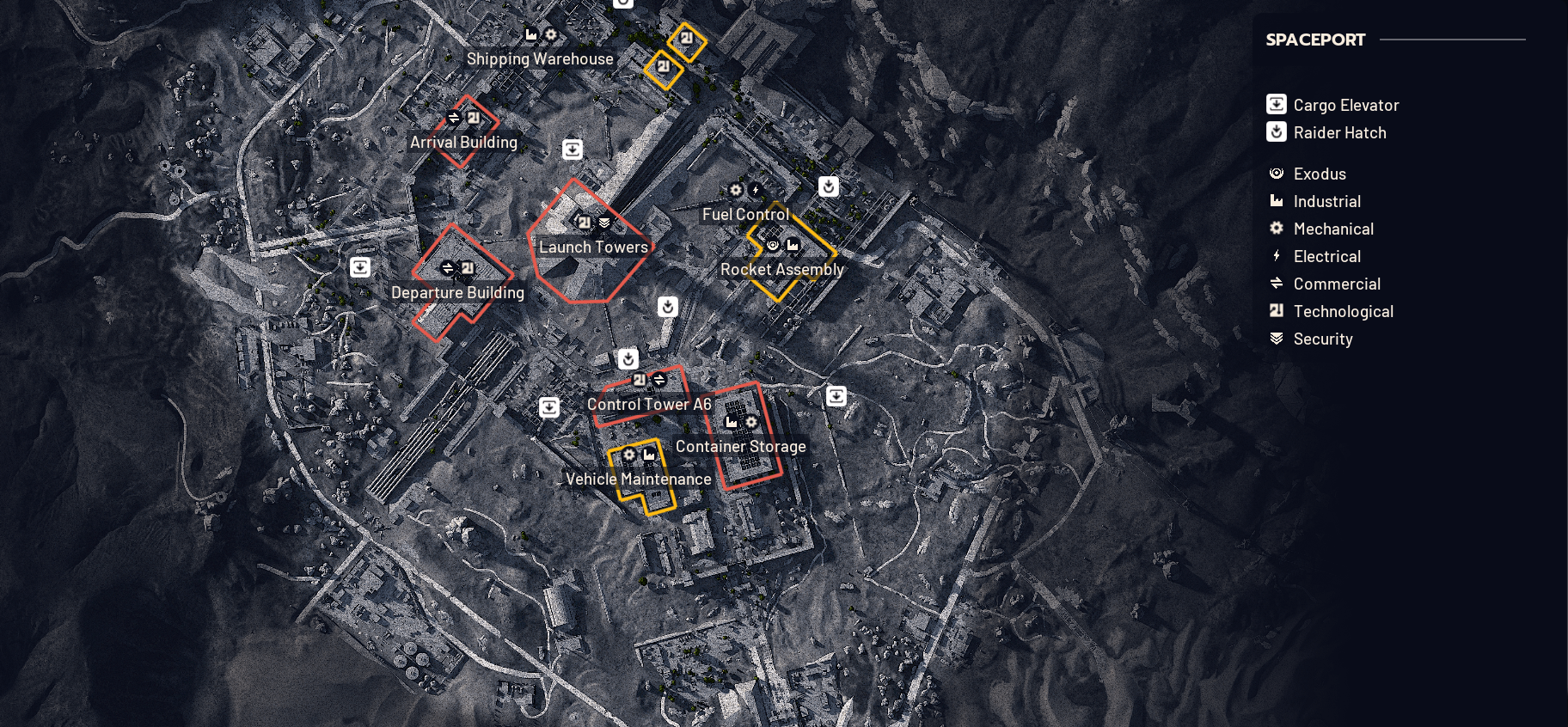
The Spaceport is one of the most industrial and barren regions in Arc Raiders, yet it still conceals a few valuable plants and crafting materials among the ruins. Don’t expect lush forests here-vegetation is sparse, but what you do find is often rare or useful for crafting. Most of the plants in Arc Raiders’ Spaceport grow around the map’s outer edges and dry container zones.
You’ll sometimes see Agave plants around rocky hills and in the dustier parts of the map’s exterior. Agave regenerates with time and can be crafted into Agave Juice or Herbal Bandages, thereby making it a good alternative when you cannot find Resin or Mullein. Small quantities of Mushrooms might pop up in shaded areas to the south of Little Hangar, near the East Container Yard — this clump of trees in the area is one of the few natural spots in the whole Spaceport.
During the Lush Blooms event, the new Wicker Baskets spawn inside abandoned hangars, warehouses, and along the runway perimeter. The baskets can contain anything from basic Roots and Resin to rarer plants like Torch Ginger. Since combat here is lighter compared with Dam or Buried City, Spaceport becomes a quite safe farming zone during the event.
Arc Raiders Plants Full List
Here’s a complete Arc Raiders plants list with every known healing herb, fruit, and crafting material you can collect across the Arc Raiders maps. Each plant has its own use — from crafting medical kits and stamina food to upgrading your companion Scrappy. Knowing where each one grows will help you plan efficient farming routes and avoid unnecessary raids.
Each of these Arc Raiders plants can appear in nature zones, gardens, or event baskets. Their rarity and purpose vary by map — for example, Blue Gate is best for fruits, Dam Battlegrounds for healing herbs, and Buried City for desert plants like Prickly Pear and Agave.
| Plant | Location |
|---|---|
| Lemon | Blue Gate, Buried City |
| Apricot | Dam Battlegrounds, Blue Gate, Buried City |
| Olive | Blue Gate |
| Prickly Pear | Buried City, Dam Battlegrounds |
| Agave | Buried City, Spaceport, Dam |
| Resin | Blue Gate, Dam Battlegrounds |
| Mushroom | Dam Battlegrounds, Spaceport |
| Great Mullein | Dam Battlegrounds (Red Lakes, Hydroponic Dome) |
| Torch Ginger | Dam Battlegrounds, Blue Gate |
| Moss | Dam Battlegrounds (Hydroponic Dome) |
| Roots | All maps (Nature zones) |
Don’t waste time chasing rare drops, let our pro players farm any weapon you want. With the Arc Raiders Weapon Farming service, you’ll enter every raid fully armed and ready to grab the best loot while others are still scavenging for gear.
Arc Raiders Lemon
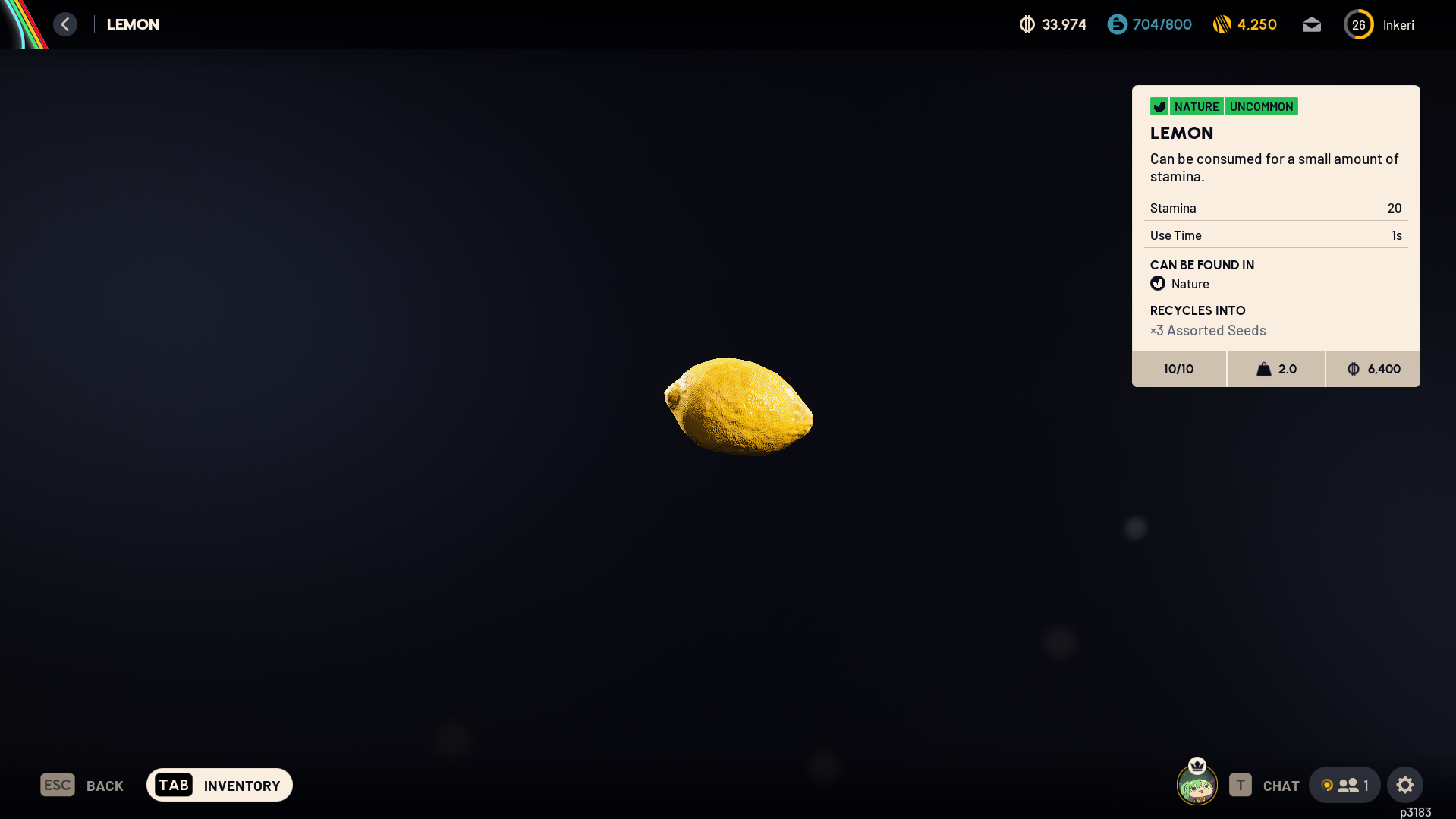
Lemons are among the most common Arc Raiders plants, mainly found around Blue Gate and Buried City. These restore stamina and are used for Scrappy Level 3 upgrades. You will find the lemon trees in the Olive Grove area of Blue Gate or near the Library Gardens and Town Hall in Buried City. Fruit trees drop extra lemons upon kicking, especially during Lush Blooms.
Besides being a quick stamina boost, lemons are part of the Fruit Mix recipe, which is combined with Apricots for longer recovery. Light and easy to find, they’re the best early-game fruit for solo farming or quick Scrappy material runs.
Arc Raiders Roots
Roots are some of the most common crafting materials in Arc Raiders, and they can be found on all maps in nature zones, forests, and gardens. You’ll often pick them up while scavenging the ground near trees or bushes in Blue Gate and Dam Battlegrounds. They also appear inside Wicker Baskets if you’re playing during the Lush Blooms event, making them one of the easiest plants to collect early on.
Roots can then be used to craft Herbal Bandages or recycled into Seeds to trade. They will not heal directly, but are perfect filler materials for medical recipes and quick cash from vendors, thus being a reliable early-game resource for every Raider.
Arc Raiders Apricot

Apricots are another type of fruit in the Arc Raiders collection, available mostly in the Blue Gate and the Buried City areas and the Dam. The best locations to search for Apricots in Arc Raiders are the Olive Grove, located in the Blue Gate area, or the Town Hall Gardens, located in the Buried City, featuring many fruit-bearing trees side by side.
Apricots are also available during the Lush Blooms event inside the Wicker Baskets in the farms and residential areas. They are often used in Fruit Mix recipes, which are good for longer stamina recovery, making them an ideal fast, reliable resource for solo players who are just starting out with Arc Raiders.
Arc Raiders Olive
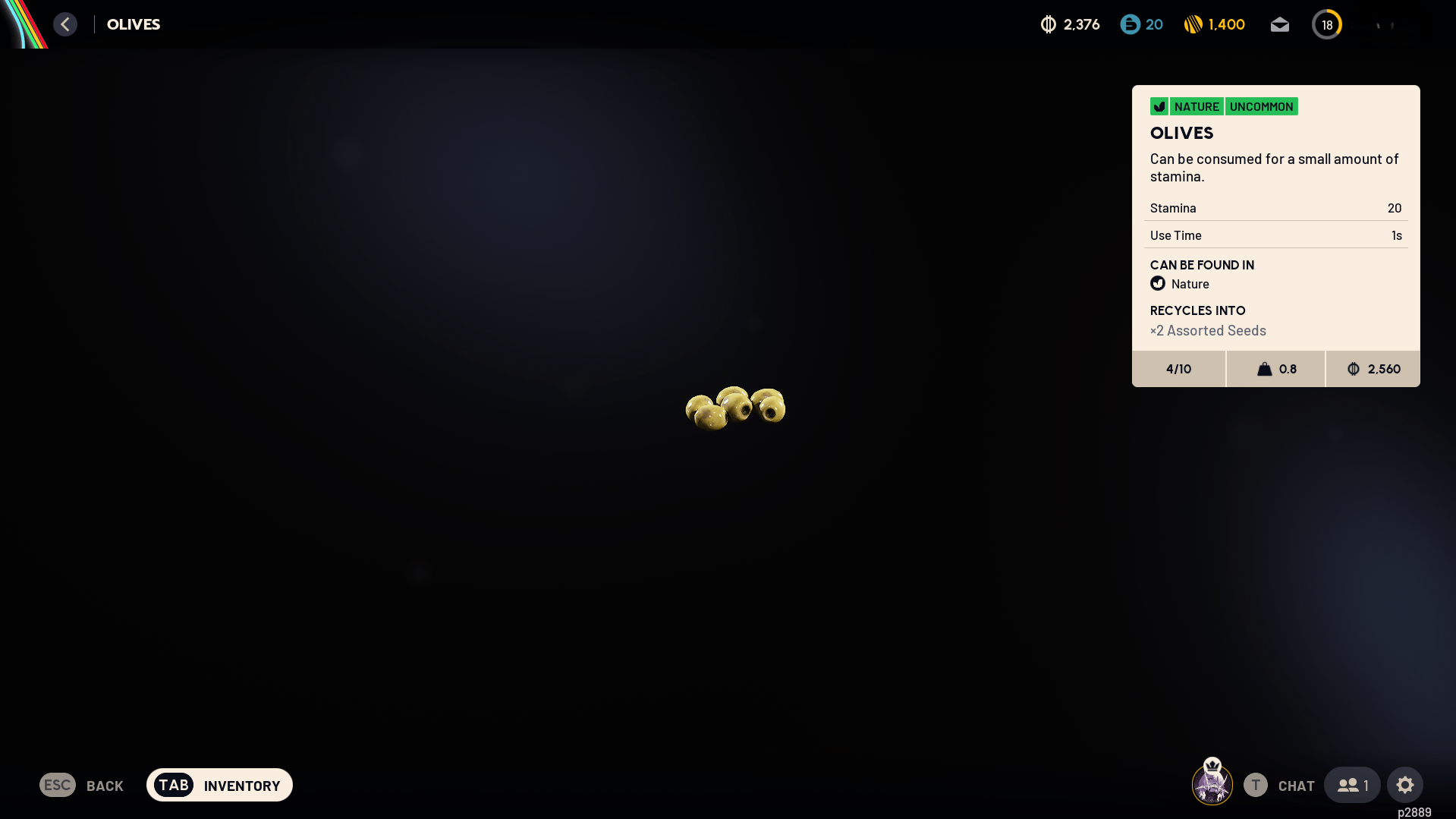
Olives are mid-level Arc Raiders blueprints or crafting components that are usually found in the Blue Gate area. particularly in the Olive Grove area, usually on trees seen with lemon trees, apricot trees, or other small trees, so kicking fruit trunks there usually drops olives. They may also be seen in the event Lush Blooms in the Wicker Baskets areas around the farm or settlements.
Olives are required for upgrades on the Scrappy Level 4 stage, in addition to being consumable for the slight stamina increase effect. They are less common compared to other fruits, meaning that to realistically gather them without having them stolen, Olive Grove lands or surrounding valleys are the best locations on which to focus farm runs.
Arc Raiders Poisonous Plant
The Poisonous Plant is a very rare item required for just one quest: “Arc Raiders: A New Type of Plant”, which is one of “Lance’s Medical Quests” and is accessed after completing “Building a Library for Apollo”. This quest can only be completed in one go because if you die or extract before its completion or before completing all its objectives, everything will reset to zero.
The first thing you have to do to find the Poisonous Plant is go to the Dam Battlegrounds fight area and move to where the Old Battleground is located on the western side of the place. When you get there, you will notice a giant crashed-up Baron Husk sitting inside the swamp, and around its legs are some plants which stand knee-high with red-orange blooms. Engage with this red-orange plant to retrieve a Poisonous Plant Sample, and bring it back to Lance’s clinic in Speranza safely.
If you want a full breakdown of every step, rewards, and quest chain, check out our Arc Raiders Quests Guide. There, we cover A New Type of Plant, Lance’s storyline, and all related tasks in much more detail.
Arc Raiders Mushroom
Mushrooms are one of the Arc Raiders’ most precious healing herbs, which instantly heal health points. Mushrooms are mostly located in the Dam Battleground areas, particularly surrounding the Hydroponic Dome areas, as well as in the paths found in the forests there. Small communities of mushrooms are also located in areas around the Water Treatment Control and the tree areas within the Spaceport.
They’re essential for Scrappy Level 5 upgrades and crafting advanced medical items. During the Lush Blooms event, mushrooms appear more often in swampy areas and sometimes inside Wicker Baskets. Always grab them when you see them — mushrooms are rare and highly useful for late-game survival.
Running out of space after every raid? We’ll help you upgrade your Arc Raiders Stash so you can store more resources, plants, and rare crafting materials. Play freely, loot everything you find, and never worry about limited space again.
Arc Raiders Moss
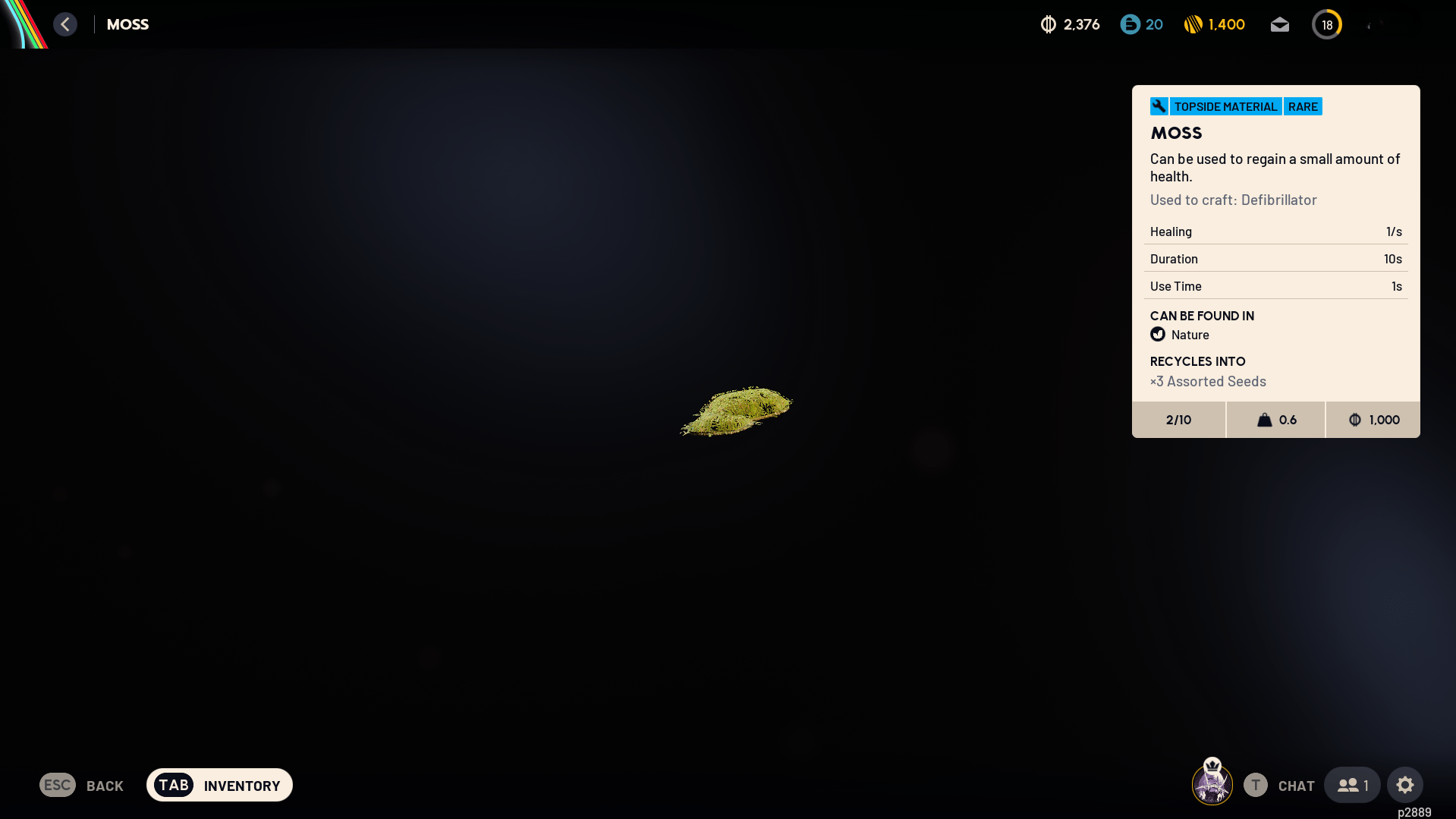
Moss is one of the Arc Raiders’ Healing Plant species, but its Arc Raiders world presence is scarce, especially in the Dam Battlegrounds. Particularly around the areas involving the Hydroponic Dome and Red Lakes. Moss also grows on rock structures, trees, or swampland, even camouflaging itself in the process. Moss also appears inside Wicker Baskets in connection with Lush Blooms at some Arc Raiders events, but its occurrence is random.
It is an important item used for late-game crafting, which helps you revive your teammates or restore health with Defibrillators or Vita Shots. The rarity of Moss makes it necessary to store it in your save or ‘extract’ it early if you find one.
Arc Raiders Prickly Pear
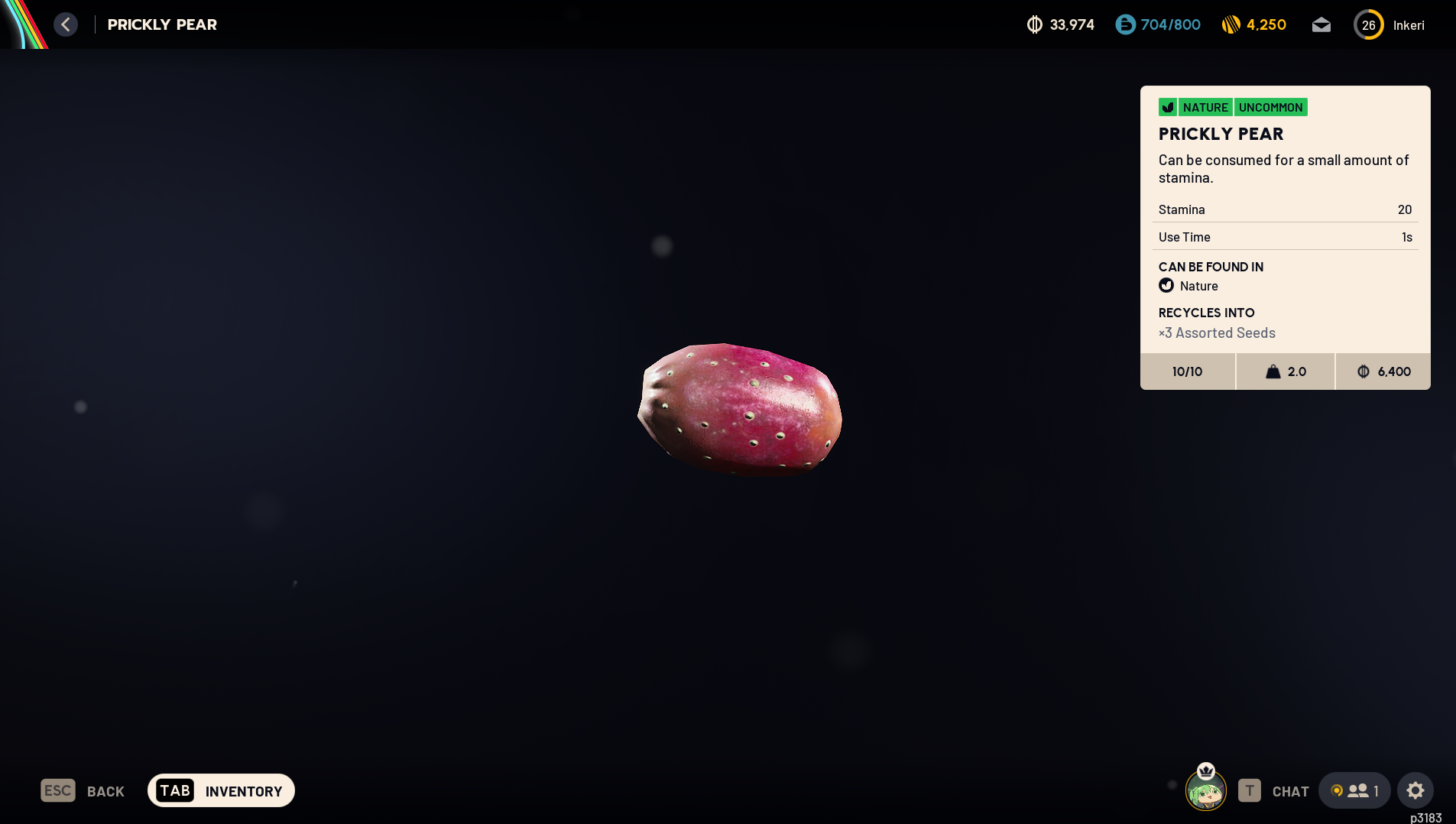
Prickly Pears are desert fruits found mainly in the Buried City and Dam Battlegrounds. They grow near cactus clusters in the southern desert and around the Red Lakes area. During the Lush Blooms event, extra cactus spawns and Wicker Baskets make farming them even easier.
These fruits restore stamina and are required for Scrappy Level 4 upgrades, along with olives and agave. Prickly Pears in Arc Raiders are rare but valuable — grab them whenever you spot a cactus patch during your desert raids.
Arc Raiders Resin
Resin is a common Arc Raiders healing plant that restores health over time when used. It’s mostly found in Blue Gate and Dam Battlegrounds, near trees, logs, and forested areas. During the Lush Blooms event, Resin can also appear in Wicker Baskets scattered around nature zones.
This sticky sap works as a natural bandage and is often used in early Arc Raiders crafting recipes. It’s perfect for beginners who need quick healing items before accessing advanced medical gear. Resin is light, easy to collect, and always worth picking up during early raids.
Arc Raiders Agave
Agave is a desert plant found in Buried City, Spaceport, and parts of Dam Battlegrounds. It usually grows near rocks and dry ground, especially around the Red Lakes area. During the Lush Blooms event, Agave can also appear in Wicker Baskets across these maps.
It heals slowly over time and is used in crafting Agave Juice and Herbal Bandages. Agave is one of the most practical Arc Raiders healing plants for mid-game players — easy to find, useful for crafting, and valuable for trading or recycling into seeds.
Arc Raiders Candleberries
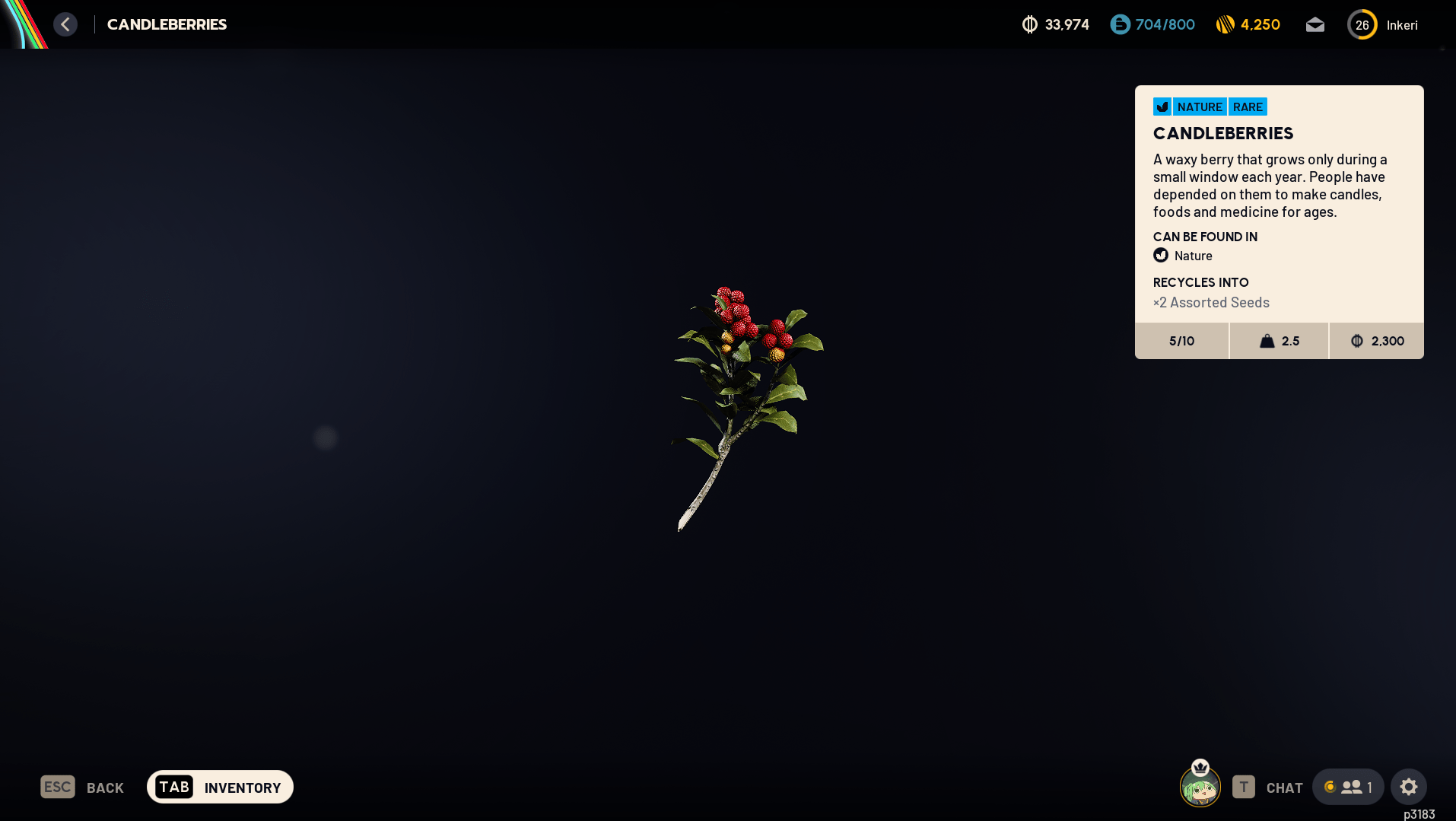
Candleberries are a limited-time event plant introduced during the Arc Raiders Cold Snap update as part of the Flickering Flames event. If you’re wondering what Candleberries are for in Arc Raiders, their main purpose is event progression; they do not work like regular plants and cannot be used for standard crafting or medical items.
So, what do you do with Candleberries in Arc Raiders? Candleberries are used as event currency to unlock Flickering Flames rewards, including cosmetics and other limited-time items. This defines the core Arc Raiders Candleberries use: collect them during the event, turn them in for rewards, and progress through the Cold Snap content. Once the event ends, Candleberries can no longer be obtained or used, making them a strictly time-limited resource.
4.9Arc Raiders Torch Ginger
Torch Ginger is a rare tropical flower used in Arc Raiders’ medical crafting. It grows in humid zones like the Dam Battlegrounds Hydroponic Dome and occasionally in Blue Gate’s greener areas. You can also find it during the Lush Blooms event inside Wicker Baskets or near water sources.
It’s primarily used to craft Herbal Bandages and Shield Rechargers, so among Arc Raiders’ healing plants, this is one of the more valuable ones. Look for the bright red petals of this flower since it stands out in the swamp and is worth picking every time you see it.
Arc Raiders Great Mullein
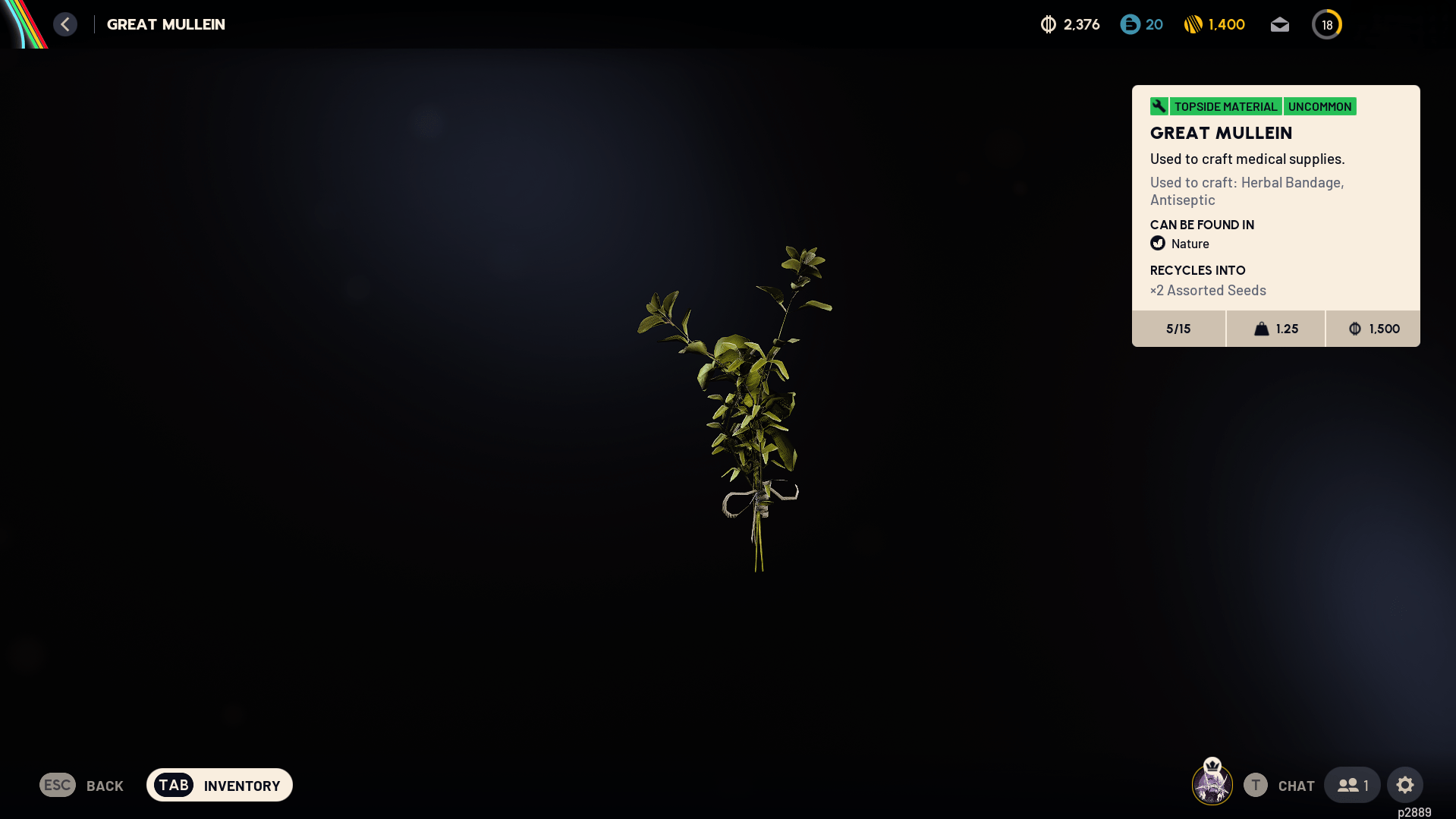
Great Mullein is a medicinal herb that generally grows in the Dam Battlegrounds, mainly around the Red Lakes and Hydroponic Dome areas. It is tall and easy to notice above swamp plants; it often grows near Moss and Torch Ginger. During the Lush Blooms event, it can also appear inside Wicker Baskets that are scattered around the Dam.
Great Mullein is one of the most useful Arc Raiders healing plants since you need it to make Herbal Bandages and Antiseptics. This is a mid- to late-game resource, so be sure to grab it when you see it. Great Mullein is crucial for high-tier medical crafting.
Arc Raiders How to Use Plants
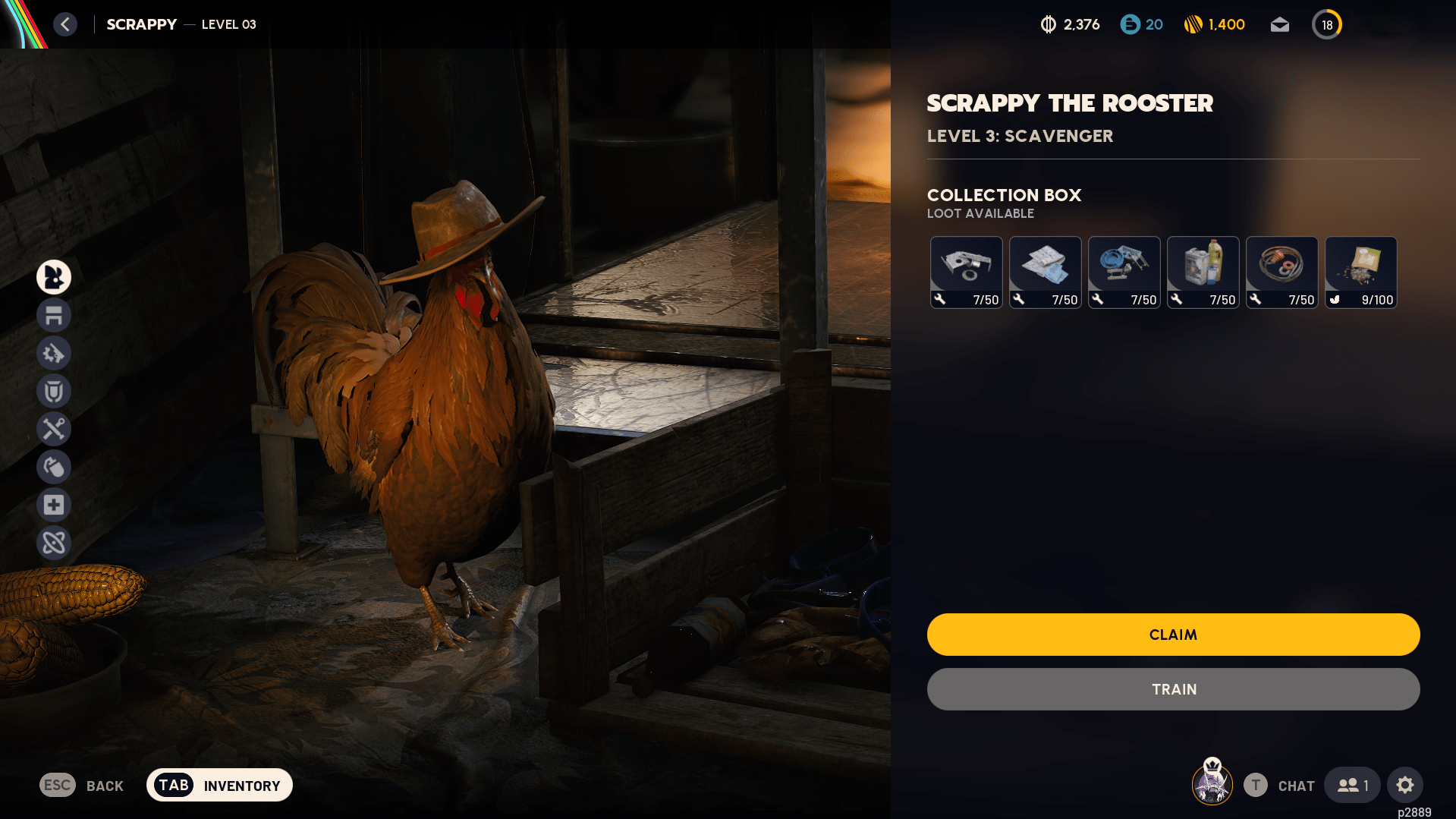
Each plant in Arc Raiders serves a certain purpose, ranging from restoring stamina and health to crafting medical supplies and upgrading Scrappy. Below is a full list of Arc Raiders crafting materials and what you can make with them:
| Plant | Main Use | Crafting / Upgrade |
|---|---|---|
| Lemon | Restores stamina | Used in Fruit Mix; required for Scrappy Level 3 |
| Apricot | Stamina boost | Fruit Mix, Scrappy Level 3–4 upgrades |
| Olive | Mid-game crafting | Scrappy Level 4 upgrade |
| Prickly Pear | Stamina and an upgrade item | Scrappy Level 4 upgrade |
| Agave | Healing over time | Agave Juice, Herbal Bandages |
| Resin | Health regeneration | Early Medical Supplies, Bandages |
| Mushroom | Instant healing | Scrappy Level 5 upgrade, Medical items |
| Great Mullein | Medical herb | Herbal Bandages, Antiseptic |
| Torch Ginger | Medicinal flower | Herbal Bandages, Shield Rechargers |
| Moss | Rare healing material | Defibrillator, Vita Shot |
| Roots | Common ingredient | Herbal Bandages, recyclable for Seeds |
Tired of gathering endless plants and parts? Our pro players will farm all the Arc Raiders materials you need to upgrade your Crafting Station to its highest level. Unlock advanced medical crafting, powerful supplies, and top-tier items without the grind.
Arc Raiders Plants Farming Tips
Farming plants is pretty easy in Arc Raiders once you learn where to look and how to move around the zones safely. Different spawn types are available on every map. Therefore, taking the right route will save time and keep your backpack full of useful crafting materials.
- Choose the right map. Blue Gate for fruits, Dam Battlegrounds for healing herbs, and Buried City or Spaceport for desert plants like Agave or Prickly Pears.
- Use the Lush Blooms event. During this event, loot every Wicker Basket. They spawn near camps, roads, and farms, giving both fruits and healing plants.
- Go light and fast. Farm with as little gear as possible. If you die, you lose less, and plants don’t need heavy loadouts anyway.
- Plan quick loops. For example, begin at Olive Grove or Hydroponic Dome, fill your bag, and extract fast. Don’t fight unless you need to.
- Solo versus Squad. Solos should stick to quiet areas such as Blue Gate or the outskirts of Buried City, while squads should clear out more enemy-heavy areas for the rarer herbs and Moss.
- Use your safe pocket. Always stash rare items like Moss, Great Mullein, or Olives in order. To keep them safe in case you die before extraction.
Arc Raiders Plants FAQ
Here are the most common questions players ask about plants in Arc Raiders. From where to find them to how to use them in crafting and upgrades.
Where Can You Find Plants in Arc Raiders?
You can find plants across all major maps — Blue Gate, Buried City, Dam Battlegrounds, and Spaceport. Blue Gate offers fruits like Lemons and Apricots, while Dam is best for herbs like Mushrooms and Great Mullein.
What Is the Best Map to Farm Plants in Arc Raiders?
The Dam Battlegrounds is considered the best map for farming Arc Raiders healing plants. It has a dense mix of swamps, forests, and the Hydroponic Dome, where rare materials like Moss and Torch Ginger grow.
What Is the Lush Blooms Event in Arc Raiders?
Lush Blooms is a limited-time Arc Raiders plants event that increases the spawn rate of fruits, herbs, and crafting materials. It also adds Wicker Baskets to nature zones, which contain random plants and healing items.
Which Plants Are Used for Scrappy Upgrades in Arc Raiders?
Lemons, Apricots, Olives, and Prickly Pears are all used for Scrappy upgrades in Arc Raiders. You’ll need them to level up your companion and unlock new passive bonuses.
Can You Trade or Sell Plants in Arc Raiders?
Yes, most Arc Raiders plants can be sold to traders or recycled into Seeds for use in Celeste’s shop. Rare plants like Moss and Great Mullein are better saved for crafting medical items.
Do Plants Respawn After Each Raid in Arc Raiders?
Yes, all plants in Arc Raiders respawn after every raid. This means you can re-run the same farming route. Such as Blue Gate’s Olive Grove or the Hydroponic Dome in Dam.
4.9To sum up, Arc Raiders’ plants are an essential part of survival and progression for every Raider. Keep your eyes open during the Lush Blooms event. Plan efficient farming routes with our Arc Raiders Plants guide. Don’t forget to extract safely with your most valuable finds.
